
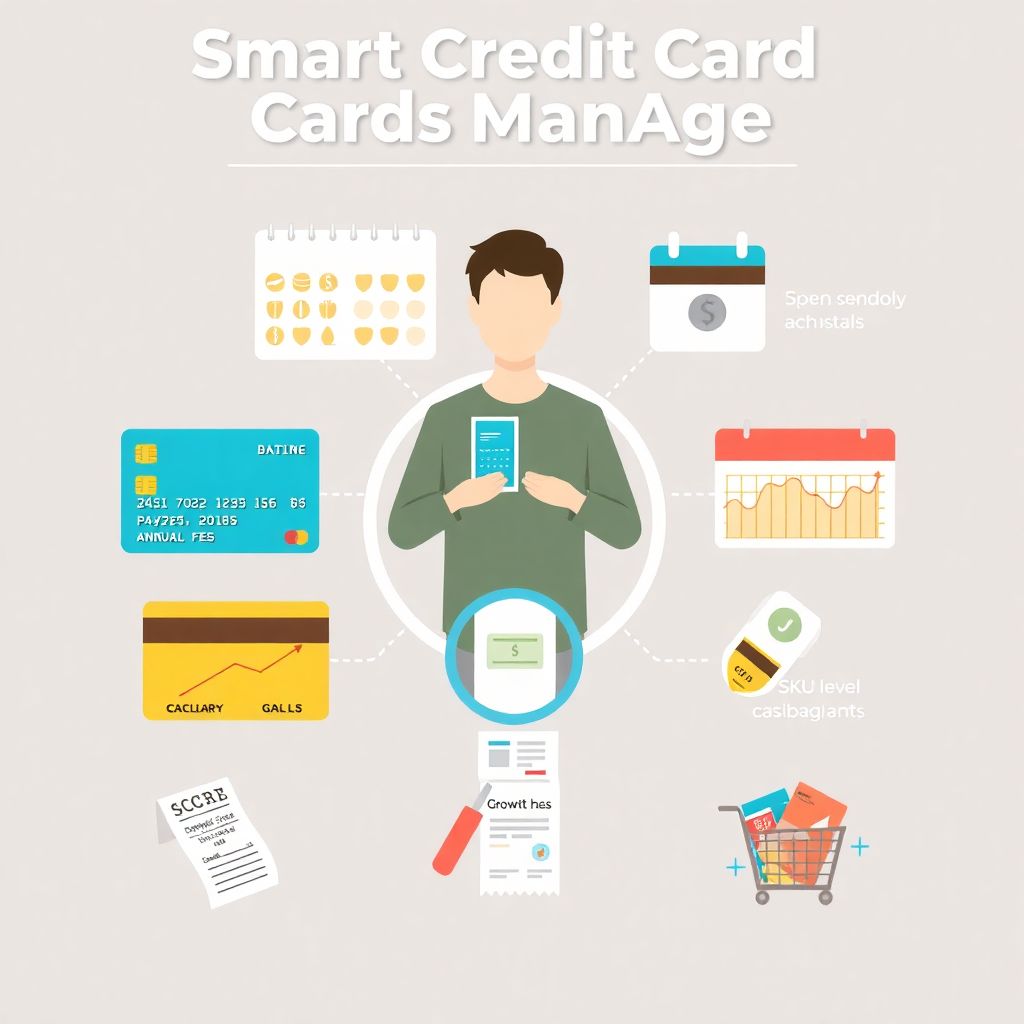
Why rewards work without overspending
Rewards succeed because they reshape choices at the margin rather than demand lifestyle changes. When you map spending to fixed needs—groceries, transit, bills—points become a rebate, not a trigger to buy more. The lesson from the best rewards programs 2023 was clear: outsized value comes from aligning categories with routine expenses and paying in full each month. Treat redemptions as a discount on a planned purchase, not a reason to upgrade it. That framing keeps the psychological “freebie” effect from nudging you into avoidable costs.
Data check: what the numbers say
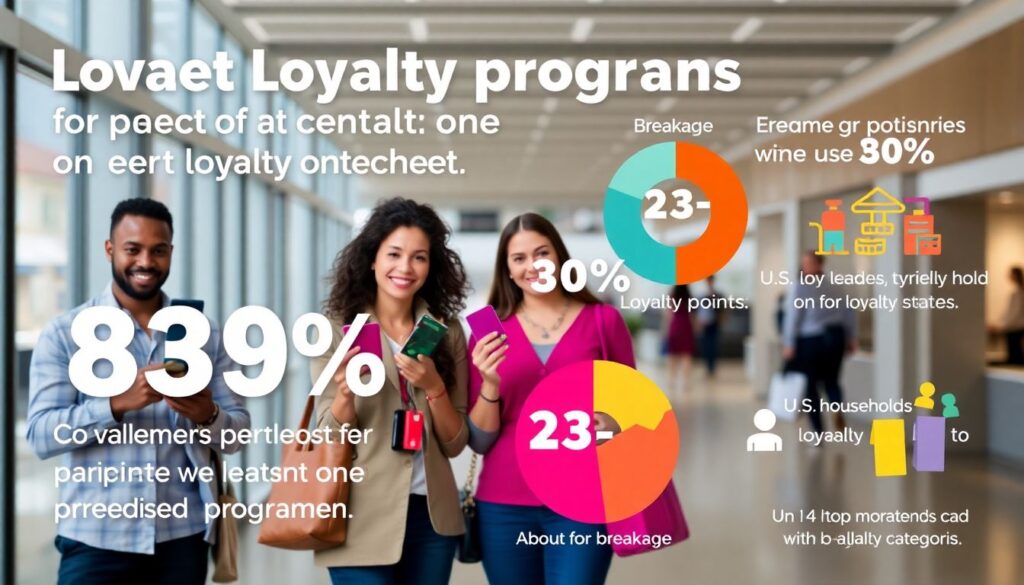
Industry surveys consistently show that over 80% of consumers belong to at least one loyalty scheme, yet 25–30% of points go unredeemed—classic breakage. U.S. households typically hold three to four cards, which means category overlap can dilute benefits unless you assign roles. In 2024, card issuers leaned into grocery, dining, and gas accelerators, while top cashback credit cards quietly raised caps rather than headline rates. The pattern suggests depth over flash: fewer programs, clearer rules, higher real-world capture.
Economic mechanics behind the points
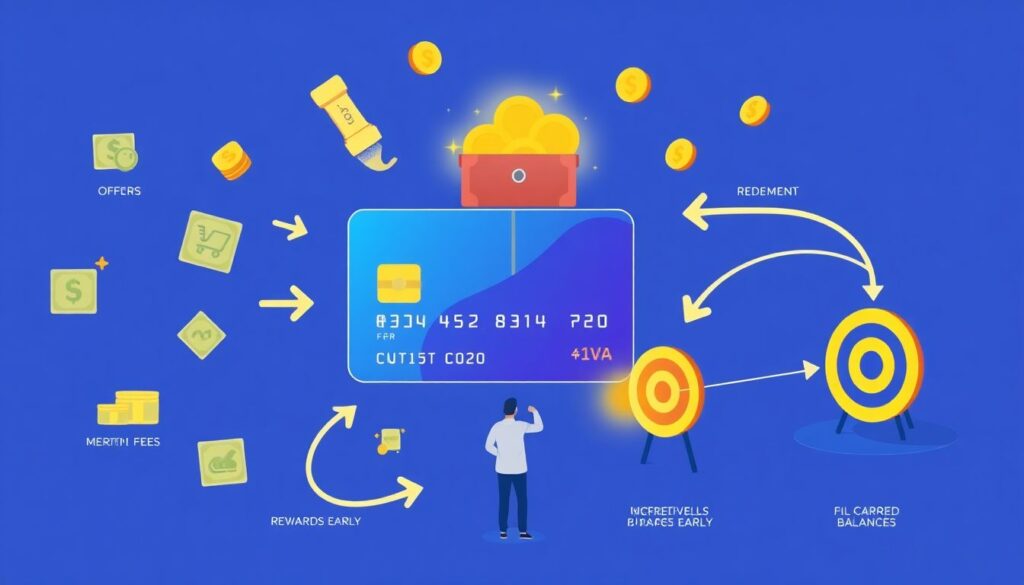
Rewards are funded by interchange fees, merchant-funded offers, and the float from unredeemed balances. Issuers model liability and breakage to price bonuses, so your job is to reverse that edge: redeem early, target high cash-equivalent value, and avoid carried balances that erase gains. To truly maximize credit card rewards, anchor redemptions to 1–2 cents per point or better on cash or travel and shun low-value merchandise swaps. The economics reward the disciplined; interest and impulse spend subsidize everyone else’s perks.
Forecasts and emerging trends
Analysts expect the loyalty management market to grow at roughly 10–12% CAGR through 2028, powered by real-time offers, bank–merchant networks, and travel recovery. Expect more dynamic pricing of points, tighter bonus categories, and AI-driven fraud controls. Airlines will keep steering value to co-branded ecosystems, while retailers expand receipt-level, SKU-targeted cash back. Devaluations will continue intermittently, but flexible currencies and cash-back portals should gain share as consumers demand transparency and immediate utility.
Expert-backed playbook
1) Map spend: tag three months of statements and pair categories to one card each; 2) Automate redemptions to cash or high-value transfers before points devalue; 3) Calendar annual fees and downgrades, not cancellations, to protect credit age; 4) For loyalty programs for travelers, keep flexible points until you find saver space; 5) Use merchant-funded portals for stackable value. Advisors repeat the core credit card rewards tips: pay in full, track valuations, and chase utility, not headlines.
Impact on the industry
Rewards economics now shape entire sectors. Airlines treat points as quasi-currency, with program revenue buffering fare cycles; banks compete on lifetime value, bundling checking, lending, and cards through loyalty hooks; retailers use card-linked offers to defend margins without blanket discounts. Accounting rules push issuers to recognize liabilities earlier, while regulators probe fee structures. Net effect: slower, steadier perks for engaged users, fewer splashy bonuses, and more personalized nudges anchored to verified spend.
Guardrails against overspending
Keep a pre-commitment: weekly budget checkpoints and alerts on category spikes. Use a “reward-neutral price test”—if you wouldn’t buy at full price, skip the “deal.” Lock cards to essential merchants and enable one-time virtual numbers for planned purchases. Set a floor value for redemptions and wait, rather than forcing low-yield uses. Finally, harness friction: uninstall shopping extensions by default, add 24-hour cooling-off rules, and let points lower costs you already planned, not expand your cart.