
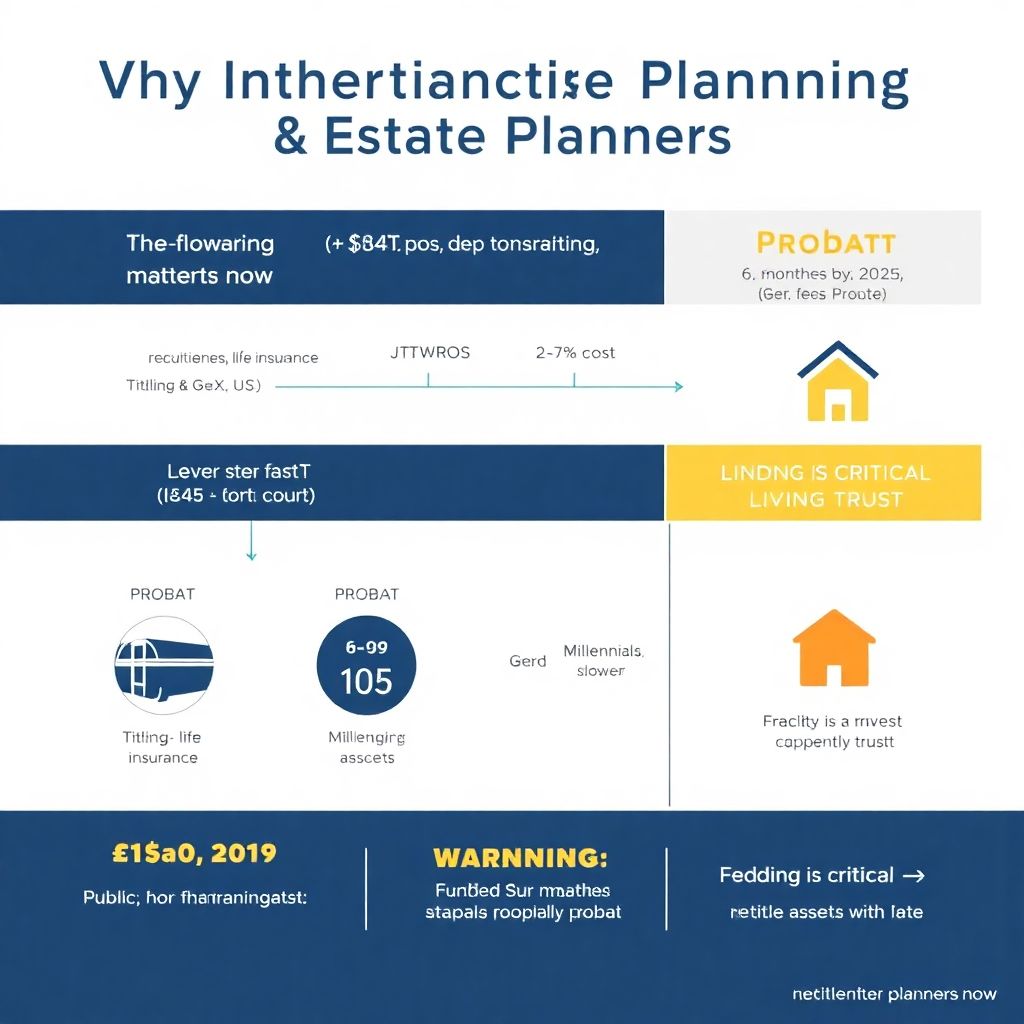
Why inheritance planning matters now
Managing inheritance and estates isn’t just for the ultra-wealthy; it’s a practical way to keep family decisions calm, taxes minimized, and assets moving where you intend. Demographics are doing the heavy lifting here: Cerulli Associates projects roughly $84 trillion will shift across generations in the U.S. by 2045, much of it to Millennials and Gen X. That tidal wave is already reshaping how households use trusts, digital vaults, and coordinated tax strategies. If you’ve ever searched “estate planning attorney near me” after a family event, you’ve felt the nudge to get organized before emotions and deadlines collide.
How estates actually move: the practical flow

When someone dies, assets transfer through one of three pipes: beneficiary designations (think retirement accounts and life insurance), titling (joint tenancy with rights of survivorship), and probate. Beneficiary and titling routes are fastest. Probate—overseen by a court—validates the will, pays debts, and distributes what’s left. It’s common for probate to run 6–12 months, longer for complex estates or disputes, and costs can eat 2–7% of estate value once fees, appraisals, and legal expenses stack up. That’s why people often ask a probate lawyer near me to map the shortest path for their specific state.
Probate vs. trusts: choosing the right container
A living trust, properly funded, can bypass probate and keep details private. It doesn’t avoid creditors or taxes by default, but it streamlines control, especially during incapacity. The key failure point is funding: if assets never get retitled into the trust, they fall back into probate. A living trust attorney near me can help you draft, but also insist on funding and a cleanup plan for stragglers. Pair that with updated beneficiary forms for retirement accounts and TOD/POD designations for banking and brokerage, and you’ve routed most assets around the probate bottleneck.
Taxes: what really bites and what doesn’t
Federal estate tax hits only the largest estates today, but current high exemptions are slated to drop in 2026 unless Congress acts, potentially pulling more families into the net. State-level estate or inheritance taxes are the sleeper issue; thresholds vary widely, and a few states tax heirs directly. Smart inheritance tax planning services focus on basis step-up rules, portability elections for spouses, strategic lifetime gifts, and charitable tools like donor-advised funds or CRTs. Result: more dollars reach the next generation when timing and titling line up with tax policy rather than fight it.
Seven practical steps you can execute this month
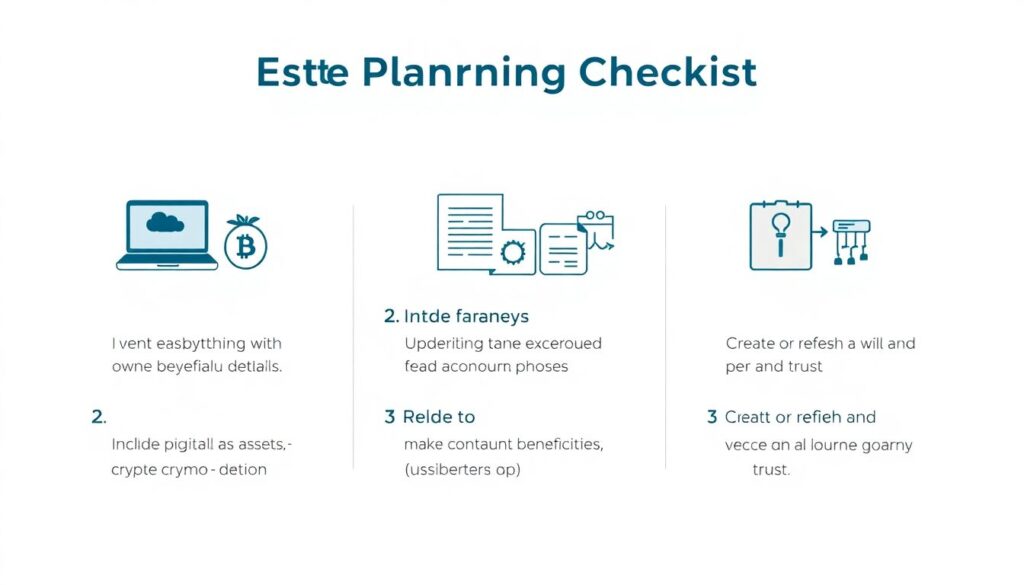
1) Inventory everything with ownership and beneficiary detail. Include digital assets, executive comp, crypto, and recurring subscriptions.
2) Update beneficiary designations; match names, make contingent beneficiaries explicit, and align with your will and trust.
3) Create or refresh a will and revocable trust; fund the trust now, not later.
4) Add powers of attorney and healthcare directives to handle incapacity without court oversight.
5) Consolidate old accounts. Fewer custodians mean fewer gaps when heirs need to act.
6) Set liquidity targets for taxes, debts, and immediate cash for the family; life insurance can bridge.
7) Appoint an executor and a backup, confirm they’re willing, and give them a written playbook plus access to a secure document vault.
Executor playbook: making administration less painful
Even well-designed plans require clean execution. Estate administration services can coordinate tasks: securing property, notifying institutions, ordering death certificates, filing claims, and tracking deadlines. In practice, the smoothest estates share three traits: centralized documents, pre-identified professional contacts, and an asset map with account numbers and login instructions stored in a digital vault. If your executor can answer “what is it, where is it, who owns it, and who benefits?” within an hour, you’ve eliminated 80% of friction.
Costs, timelines, and where to spend strategically
Expect to spend on legal review, appraisals, tax prep, and possibly property maintenance. Spending early to remove ambiguity often costs less than litigating later. For example, paying for a clarified bequest clause—especially with blended families or closely held businesses—can avert disputes that freeze distribution for months. If you’re tempted to cut corners, price the alternative: a contested probate can balloon costs while market volatility erodes asset values in the background.
Forecasts: how the next five years will change estate work

Three trends look durable. First, digital-first estate workflows will continue: e-signing, remote notarization, and e-wills are spreading, making updates faster and cheaper. Second, the 2026 sunset risk will boost demand for lifetime gifting, SLATs, and trust restructuring as families race to lock in higher exemptions. Third, AI-driven document checks will reduce drafting errors and flag contradictory beneficiary designations across custodians. The practical takeaway: build plans that are reviewable annually, not once a decade.
Economic impacts you can’t ignore
As inheritances arrive, recipients often pay down high-interest debt, fund housing, or seed businesses—good for growth but uneven across regions. Housing markets in aging suburbs may see more listings as estates sell parental homes, while small-cap ownership transitions can strain local employment if buyouts fail. From a household perspective, the biggest economic lever is tax efficiency: basis step-ups can wipe out decades of unrealized capital gains, but only if assets are held correctly at death. Missteps here leave families donating avoidable tax to the government.
Industry implications: law, finance, and tech converge
Legal services, wealth management, and insurance are colliding around the client’s life events. Firms pairing an estate planning attorney near me with integrated financial planning are winning because they solve end-to-end: plan, title, fund, administer. Fintechs that sync beneficiary data and alert you to conflicts are reducing downstream probate risk. Insurers are tailoring guaranteed-issue policies for late-life liquidity, while custodians roll out beneficiary-centered portals to shorten distribution cycles.
Finding the right professionals (without the runaround)
Search fatigue is real. When you look up a probate lawyer near me or a living trust attorney near me, filter for three things: explicit funding support after drafting, fixed-fee or transparent pricing, and coordination with your financial advisor and CPA. For taxes, seek inheritance tax planning services that model multiple scenarios, including the 2026 exemption shift and state-specific exposure. If you’re delegating the logistics, estate administration services that provide a single point of contact and milestone reporting can preserve both time and family goodwill.
Risk management: the quiet backbone of good plans
Guardrails matter. Title real estate to reflect your intent, verify umbrella liability coverage, and document loans to family as promissory notes to avoid fights and tax confusion. For business owners, build a funded buy-sell agreement and define who can vote, manage, and sell in a crisis. If you own illiquid or niche assets—private equity, art, mineral rights—attach a plain-English memo describing valuation and sale pathways so your executor doesn’t accept a lowball offer under time pressure.
Making it real: a 90-day action sprint
In the first 30 days, assemble documents, list assets and passwords, and schedule consultations. In days 31–60, execute documents, retitle key accounts into your trust, and correct beneficiary forms. In days 61–90, test your plan: run a mock “what if I were gone today” drill with your executor and advisor. Look for gaps—unfunded trust assets, missing contingents, or liquidity shortfalls—and fix them while the facts are fresh. Repeat that drill annually or after any major life change.
Bottom line
Estate planning is a living process, not a binder on a shelf. Keep it simple, keep it current, and make it legible to the people who will carry it out. When your legal documents, titling, and taxes agree with each other, you lower costs, shorten timelines, and protect relationships—exactly what a practical guide to managing inheritance and estates should help you achieve.