
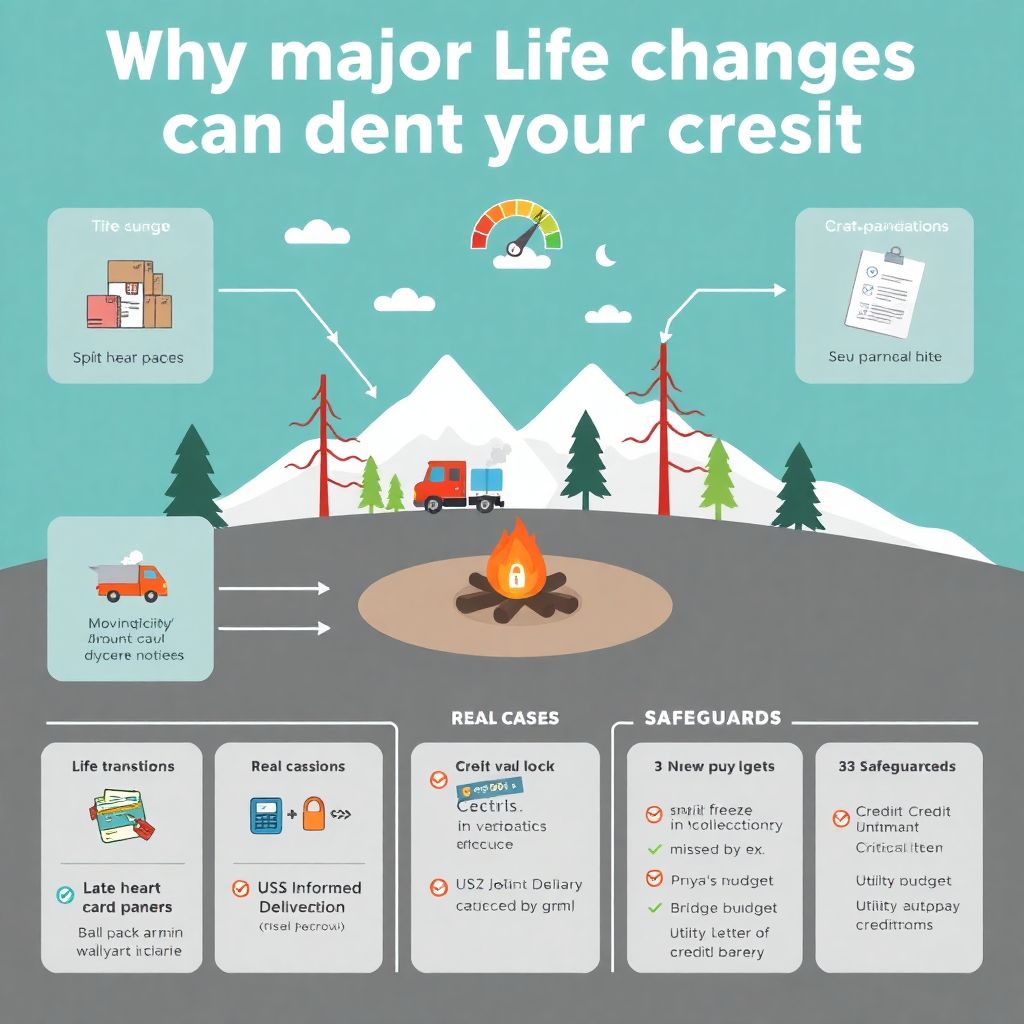
Why major life changes can dent your credit
When life swerves—new baby, move, divorce, layoff—credit often takes collateral damage. Budgets shift, due dates slip, and new inquiries pop up right when your score is most fragile. Lenders read instability as risk, so a couple of late payments can echo for years. The fix isn’t martyring your lifestyle; it’s designing guardrails before the storm. Think of your credit like a campsite: if you set a fire ring and clear brush in calm weather, the sparks of transition don’t turn into a blaze. Start early, keep receipts, and make your automations do the heavy lifting.
Real cases: moves, splits, and surprise gaps
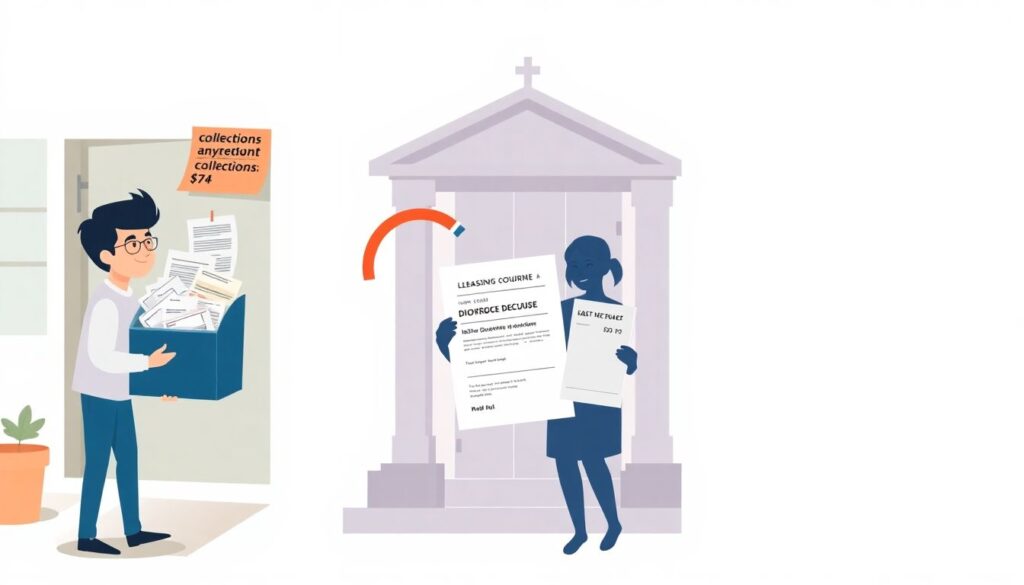
When Leo moved states for a job, his mail lagged behind his bills, and one utility hit collections over $74. His score tanked 80 points, costing him a higher deposit on the new apartment. Margo’s divorce decree said her ex must pay a joint card; he didn’t, and the issuer dinged them both. And Priya’s three-month layoff? She paused subscriptions, but forgot the gym’s annual fee—another late mark. Each mess had a common thread: nobody mapped the “credit-critical” items during the hectic weeks. The cure was simple but specific: a transition checklist, temporary autopay, and a single inbox for all statements.
Non-obvious safeguards that actually work
Freeze the surfaces you’re not walking on. If you won’t apply for credit in the next 60 days, consider credit freeze vs credit lock: a freeze is free by law and blocks new accounts at the bureau level; a lock is app-friendly but issuer-specific. Use a burner mailing address via USPS Informed Delivery to spot stray bills. Create a “bridge budget” with minimums plus 10% padding for fees. Ask utilities for a letter of credit to waive new deposits. And label autopays “must-keep” vs “can-quit,” so if cash tightens, you pause luxuries without risking core tradelines.
Tools that buy you time and peace of mind
In choppy months, alerts beat hindsight. The best credit monitoring services won’t boost your score, but they surface inquiries, new accounts, and score swings within hours. Pair that with identity theft protection services if your transition broadcasts data—home sale listings, wedding registries, résumé uploads. Use virtual card numbers for movers, storage, and temp landlords to reduce dispute friction. Centralize statements in a dedicated email and route everything to calendar reminders. If you must open credit, favor a low-limit, no-fee card before the move, then leave applications alone until dust settles.
Alternatives to conventional advice that still protect score
Can’t float balances? Ask your bank for a “skip-a-pay” coded as a loan modification, not delinquency. If underwriters balk at recent inquiries, seek manual underwriting at community lenders that consider rent history and cash flow. To build resilience, open a credit-builder loan while times are calm, then let on-time payments mature through the chaos. For tough months, consult credit counseling services early; a debt management plan can lower rates without the reputational drag of settlement. Also try shared-secured loans using your own savings, so you’re your own co-signer without family drama.
Pro lifehacks from people who live in the trenches
Opt out of prescreened offers 90 days before a move to trim inquiry temptations. Stagger due dates across the month so one bad week doesn’t sink everything. Keep a “sandbox” card with a tiny limit for new vendors; if a charge goes sideways, your core accounts stay clean. Ask issuers for courtesy credits on annual fees if you keep autopay active. When adding an authorized user, insist on card-level spend limits. And during court-ordered splits, change login emails immediately; shared inboxes are how missed statements happen. If your data’s in flux, beef up identity theft protection services for a quarter.
Repair without shooting yourself in the foot
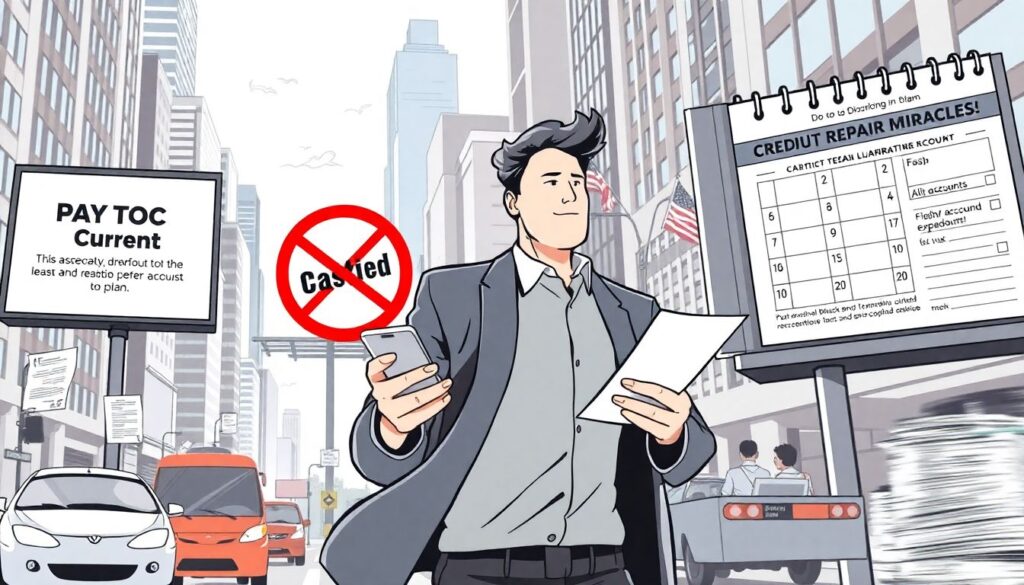
If a late hits during chaos, move fast: pay to current, then request a goodwill adjustment with proof of the transition—lease, job offer, or hospital paperwork. Avoid blanket disputes that can re-age accounts. Be wary of credit repair services promising miracles; many do what you can do with a calendar and templates. Instead, target errors: duplicate collections, paid debts still reporting open, or wrong dates. If a collector changes hands mid-move, demand validation in writing before paying. Document every call, keep screenshots of autopay setups, and escalate through executive support when front-line scripts stall.
Checklists for specific transitions
Moving? Forward mail, freeze unused bureaus, and prepay the last utility cycle. Marriage? Convert “jointly paid, individually owned” accounts into clear owners to avoid confusion. Divorce? Close or refinance joint revolving lines and remove authorized users the same day the decree is signed. Medical leave? Ask for hardship plans that keep accounts current while reducing minimums. Job change? Time applications to avoid overlapping inquiries. For new grads, set $5 weekly autopays to keep thin files active. When in doubt, revisit the earlier credit freeze vs credit lock decision and keep a diary of every change.
Stay steady when everything else isn’t
Your score is a lagging indicator of habits, not character. During a transition, aim for boring: on-time minimums, low utilization, fewer new accounts, and fast corrections when slips occur. Schedule a 15‑minute weekly “credit stand-up” to scan alerts, reconcile autopays, and file any disputes. Save windfalls for a one-month buffer so a single surprise can’t topple dominoes. If decisions feel heavy, set defaults that are hard to break: freezes on idle bureaus, calendar pings, and a skeleton budget that runs even when you’re tired. Chaos passes; clean data and steady payments linger.