
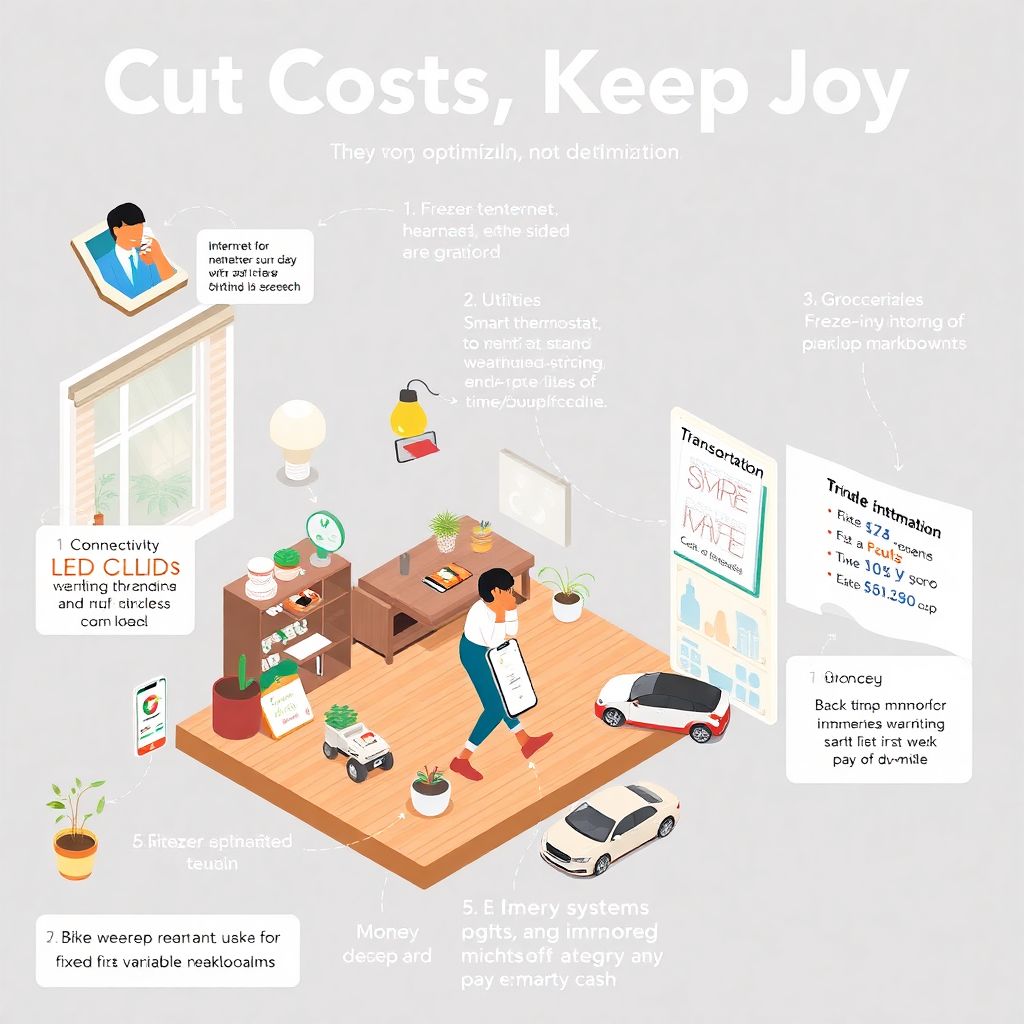
Why Cutting Costs Doesn’t Mean Cutting Joy
Reducing living expenses isn’t about deprivation; it’s about optimization. The goal is to redirect cash from low-value habits toward high-impact living—better food, smarter tech, more time. When you approach frugality like an engineer, every dollar gets a job and your quality of life improves, not shrinks.
Think of it as tuning, not trimming.
Common Rookie Mistakes (And How to Dodge Them)
New savers often slash at random—canceling the gym they actually use, hoarding “cheap” items that break, or switching to bargain internet that drops Zoom calls. The big error: confusing price with value.
Another classic misstep is tracking nothing. Without a baseline, you can’t measure progress. People also chase every coupon, then drive across town to save 50 cents, burning time and fuel. Worse, they ignore recurring costs—utilities, subscriptions—where the quiet leaks are.
Better First Moves
Start where the money repeats monthly: housing, utilities, connectivity, groceries, transportation, and debt. Use the best budgeting apps not as a spreadsheet replacement, but as a behavior mirror. You’re looking for patterns: unused subscriptions, overlapping services, and impulse buys masked as “emergencies.”
Real-World Cases: What Actually Works
Case 1: A couple in Austin cut $186/month without touching comfort. They called their ISP, referenced current promos and best cheap internet plans, and got a speed bump for 20% less by agreeing to autopay and paperless billing. They also switched to a no-annual-fee card from a list of best cashback credit cards, aligning 5% categories with their grocery and gas cycles. Net effect: faster internet, same routine, lower bill.
Case 2: A single parent in Ohio used digital grocery coupons inside the store’s app, stacking them with clearance tags in the last hour before closing. They saved 28% on average grocery trips, then funneled those savings to kill a high-interest store card. Result: lower stress and better credit utilization in three months.
Shorter story: My neighbor stopped guessing and decided to compare electricity rates every six months. A 12-minute call shaved $41 off the monthly utility bill with no lifestyle change.
Non-Obvious Solutions That Punch Above Their Weight
– Negotiate from your calendar, not your gut. Set quarterly reminders to review recurring bills: insurance, internet, phone, cloud storage, software. Companies expect churn; polite, data-backed calls routinely unlock retention deals. Mention competing best cheap internet plans or loyalty tenure, and be ready to switch if the math is clear.
– Bundle skills, not services. Learning one skill—batch cooking—reduces grocery waste, dining out, and even utility usage by cooking once, reheating thrice. Pair it with a freezer inventory note on your phone to avoid duplicate purchases.
– Pay your future self in utilities. Small changes—LEDs, smart thermostats, weather stripping—don’t feel exciting, but they compound. Before buying gadgets, compare electricity rates to ensure the base price you’re paying isn’t already the bigger problem.
Tiny move: Opt out of “convenience” fees by using ACH or autopay where there’s a discount. It’s quiet money.
Alternative Methods When the Usual Advice Falls Flat
– Swap ownership for access. Tool libraries, neighborhood swaps, and community kitchens cut sporadic costs without sacrificing capability. You don’t need a stand mixer; you need a cake this weekend.
– The 90/10 rule for tech. Keep a 90-day cooling-off list for nonessential gadgets. Ten percent of the time, if the item still solves a daily bottleneck, buy it—used or refurbished—to preserve quality for less.
– Co-working by day, home office by night. If you’re hybrid, choose a low-data phone plan and rely on high-speed Wi‑Fi during work blocks. That makes those best cheap internet plans do double duty.
Professional-Grade Money Moves (Still Simple)
– Align spend with rewards calendars. If your groceries, gas, and drugstore purchases cluster, time them when your card’s rotating category hits. The best cashback credit cards aren’t magic; they’re multipliers when you consolidate spend into targeted windows. Always redeem for statement credit or high-value travel partners; avoid low-value gift cards unless there’s a bonus.
– Automate decision points. Use the best budgeting apps to trigger alerts when a category approaches 80% of its monthly cap. Behavior changes earlier than willpower.
– Set “friction rails.” Unsubscribe from retailer emails, disable one-click purchases, and keep payment details off shopping sites. Make spending slightly inconvenient; make saving automatic.
Short but powerful: Rename your savings account to something vivid—“Hike in Sicily Fund.” Psychology matters.
Groceries Without the Guesswork
Leverage store-brand testing. Pick three staples—rice, pasta, oats—and trial store brands against your favorites. If the taste gap is negligible, you’ve found permanent savings. Combine this with digital grocery coupons and mid-week shopping (when markdowns hit) to stack reductions without sacrificing quality.
Also, shop your pantry first. That chili you forgot about is still dinner.
Connectivity and Utilities: The Quiet Gold Mine
Internet: Audit your actual speed needs. If you don’t game or stream 4K on multiple screens, you might be overpaying. Cross-check your plan against competing providers and best cheap internet plans, then call your current ISP with real offers in hand. Ask for promo pricing in exchange for loyalty or a contract you’re willing to accept.
Electricity: Don’t just switch bulbs—first, compare electricity rates. Fixed vs. variable plans, time-of-use pricing, and seasonal promos dramatically change your baseline. Smart plugs on always-on devices (game consoles, media boxes) can knock off a few kilowatt-hours monthly with zero lifestyle impact.
Water: A $10 low-flow aerator plus mindful laundry loads beats rationing showers. You’re buying efficiency, not austerity.
Transportation, Reimagined
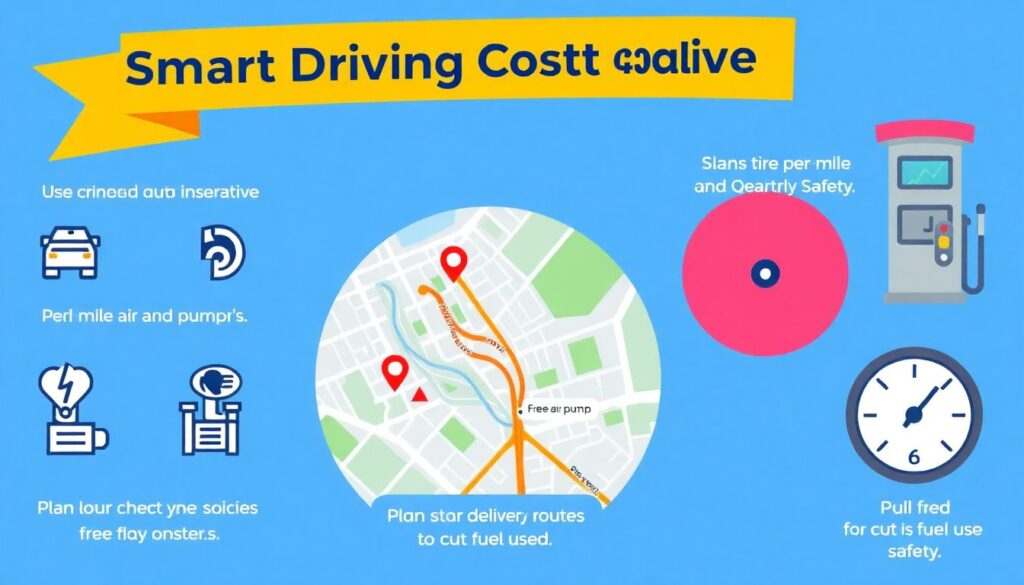
– If your city allows, insure per mile. Many drivers overpay for coverage they don’t use. Usage-based insurance plus quarterly tire pressure checks (free at many stations) can lower costs and improve safety.
– Plan errands like delivery routes. You’ll cut fuel use and time, which is the most expensive asset you own.
Short tip: Public transit for peak commutes, bike for errands, car for weekends. Mix, don’t marry.
Seven-Day Tune-Up You Can Actually Finish
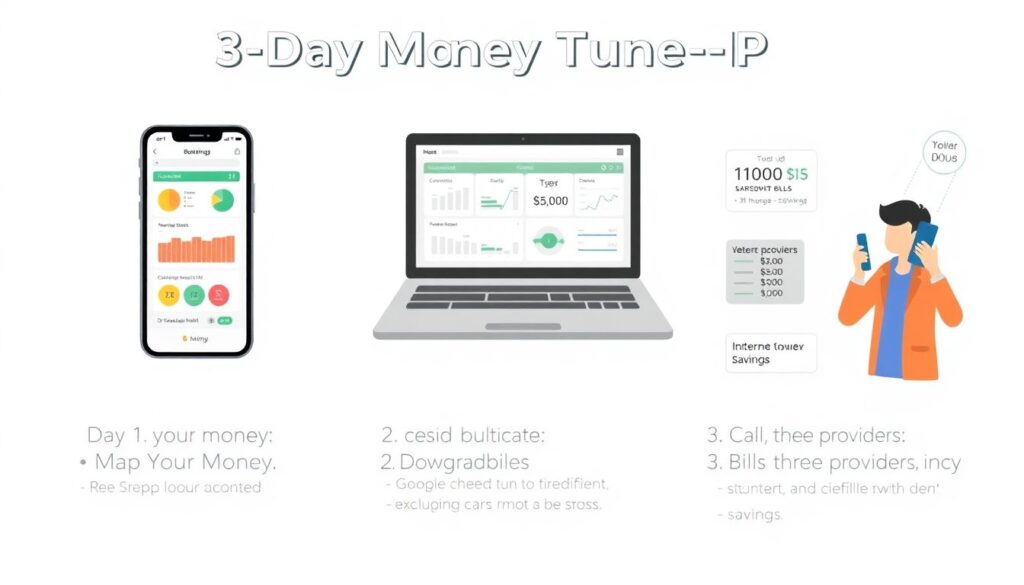
1) Day 1: Map your money. Connect accounts to one of the best budgeting apps and categorize the last 30 days. Label every recurring bill.
2) Day 2: Cancel and consolidate. Kill duplicate subscriptions, downgrade tiers, and bundle where math favors you.
3) Day 3: Call three providers. Internet, phone, insurance. Mention current offers and your tenure; ask for retention pricing.
4) Day 4: Groceries and meals. Plan four dinners around what’s already in your pantry. Clip digital grocery coupons in your store app.
5) Day 5: Utilities pass. Compare electricity rates, photograph your meter usage for a week, and set your thermostat schedule.
6) Day 6: Debt and rewards. Move balances off high-interest cards, and align spend with your best cashback credit cards.
7) Day 7: Lock the gains. Automate transfers to savings on payday and create a quarterly review reminder.
Short victory lap: Calculate your new monthly burn rate. Celebrate the delta.
Quality Control: How to Know You’re Winning
Your expenses drop, but life should feel smoother. Meals are simpler, Wi‑Fi is stable, the house is comfortable, and your calendar is calmer. If something feels worse, you didn’t optimize—you amputated. Revisit that category and trade up strategically.
Long term, track three metrics: savings rate, emergency fund months, and recurring-cost ratio (what percent of expenses are subscriptions and utilities). As those improve, your stress falls even if income stays the same.
Final Thoughts
Saving money without sacrificing quality is a systems game. You’re not chasing deals; you’re engineering defaults that reward you every month. Start with the repeating costs, leverage technology wisely, keep your standards high, and make your wins automatic. The result isn’t just a smaller bill—it’s a bigger life.