
Why Money Talks Matter Now

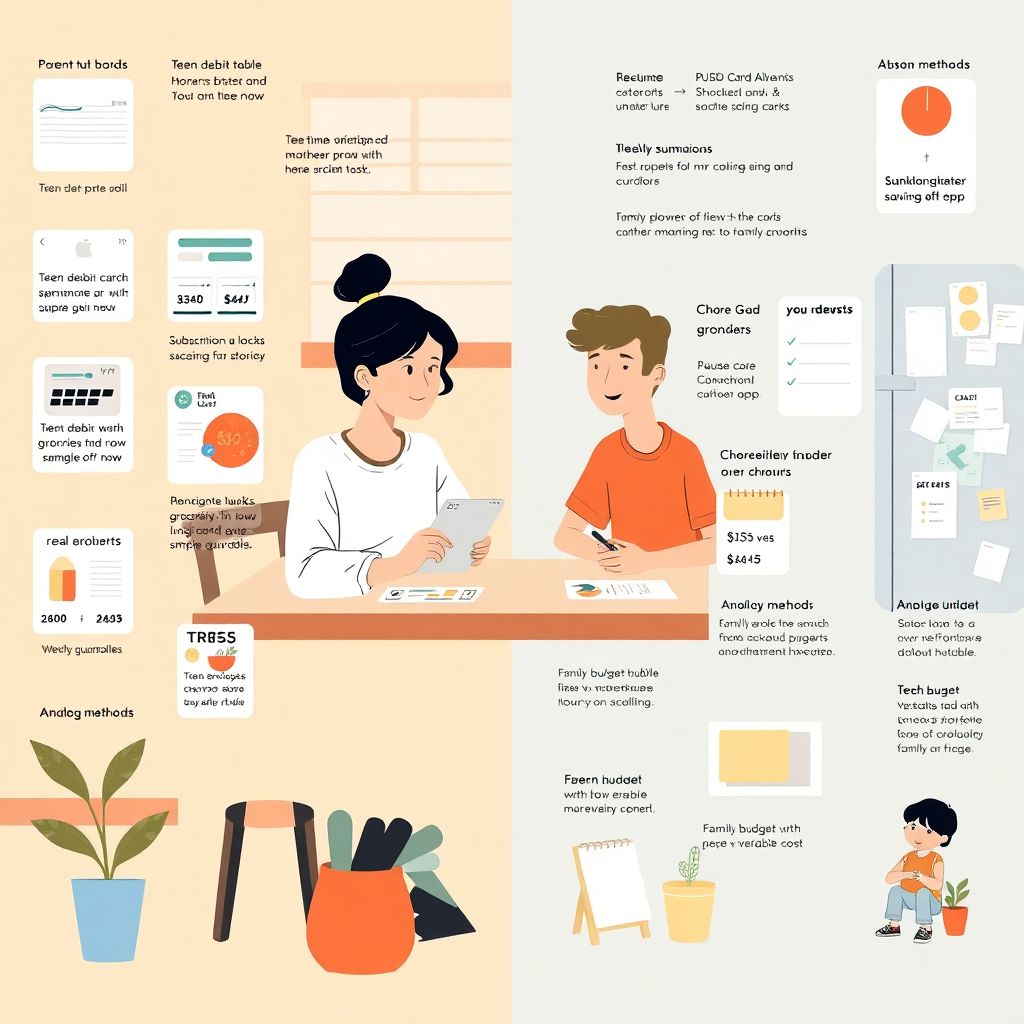
Teens don’t learn about money by osmosis; they learn by watching, trying, and getting timely feedback. The twist in 2025 is that cash flow is mostly invisible—subscriptions, in‑app buys, tap‑to‑pay—so parents need to surface what’s hidden. Start with honest, bite‑size chats: how the family sets priorities, why “later” sometimes beats “now,” and what guardrails keep spending sane. Use real numbers, not lectures. Bring teens into low‑stakes decisions—shared grocery budgets or trip planning—so they see trade‑offs in motion. That mix of candor and participation outperforms any one-off lesson or worksheet.
Comparing Approaches: Conversations, Practice, Contracts
Three models dominate. Conversation-first prioritizes values and vocabulary; it builds judgment but can drift without action. Practice-first hands teens real tools—a teen checking account, a small investing sandbox—so they feel consequences early; it’s powerful, yet messy without guide rails. Contract-first defines rules up front: spending caps, savings ratios, payback terms for “advances.” That clarity curbs conflict, though it can feel rigid. The sweet spot blends them: talk to set intent, practice to reveal blind spots, and a short “money contract” to resolve gray areas before they spark drama.
Tech in the Toolkit: Pros and Cons
Digital tools translate intentions into habits. Money management apps for teens make categories tangible and automate nudges, yet over-notifying can desensitize kids. An allowance app for teens simplifies recurring transfers and ties chores to outcomes, but it risks turning every helpful act into a transaction. The best debit card for teens offers real-time alerts, merchant locks, and ATM controls; still, tap-to-pay ease can inflate impulse buys. Set tech to educate, not babysit: require notes on purchases, enable weekly summaries, and pause cards for “cooling-off” periods rather than policing after the fact.
Analog Still Works—With Upgrades
Not everything needs a screen. Cash envelopes teach scarcity and sequencing (“groceries” runs out, but “treats” still has funds). Family budget huddles demystify fixed vs variable costs. A hybrid approach—cash for flexible categories, a teen checking account for recurring bills like phone plans—builds mental accounting without micromanagement. Paper goal trackers beat dopamine-drip notifications for some teens, especially neurodiverse learners. The key is intentional friction: a 24‑hour rule before nonessential buys, handwritten savings targets on the fridge, and quarterly “money retros” to keep goals visible and negotiable.
How to Choose What Fits Your Family
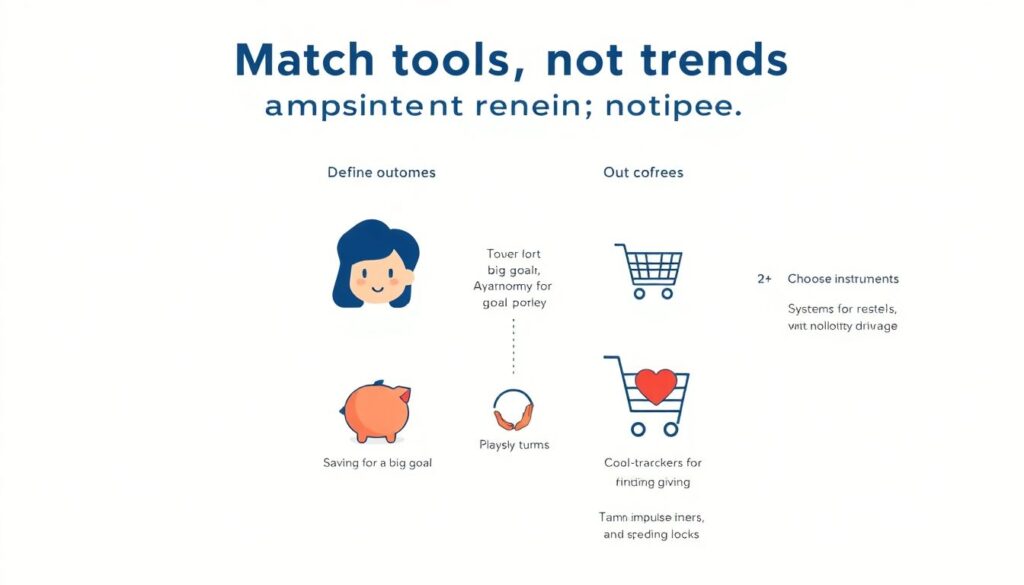
Match tools to temperament and values, not trends. If your teen craves autonomy, pick systems that reward foresight; if they’re novelty-driven, bake in friction. A quick decision path:
1) Define outcomes: saving for a big goal, taming impulse buys, or funding giving.
2) Choose instruments: the best debit card for teens with category caps, or cash envelopes for tactile learners.
3) Add accountability: weekly review, shared dashboard, or a parent match.
4) Set stakes: interest on savings, small “late fees” on missed commitments.
5) Revisit quarterly and retire tools that no longer teach.
2025 Trends to Watch
Expect sharper tools and safer rails. Banks are bundling a teen checking account with spending insights and merchant-level controls, while money management apps for teens add AI “explainers” that translate patterns into plain advice (“subscriptions rose 18%—keep or cancel?”). financial literacy courses for teens are moving from lectures to simulations with dynamic pricing and peer markets. Look for transparent data policies, offline modes for travel, and parent-teen co-goal features. Finally, watch for school‑bank partnerships that let classroom lessons sync with an allowance app for teens—turning theory into daily habits.