
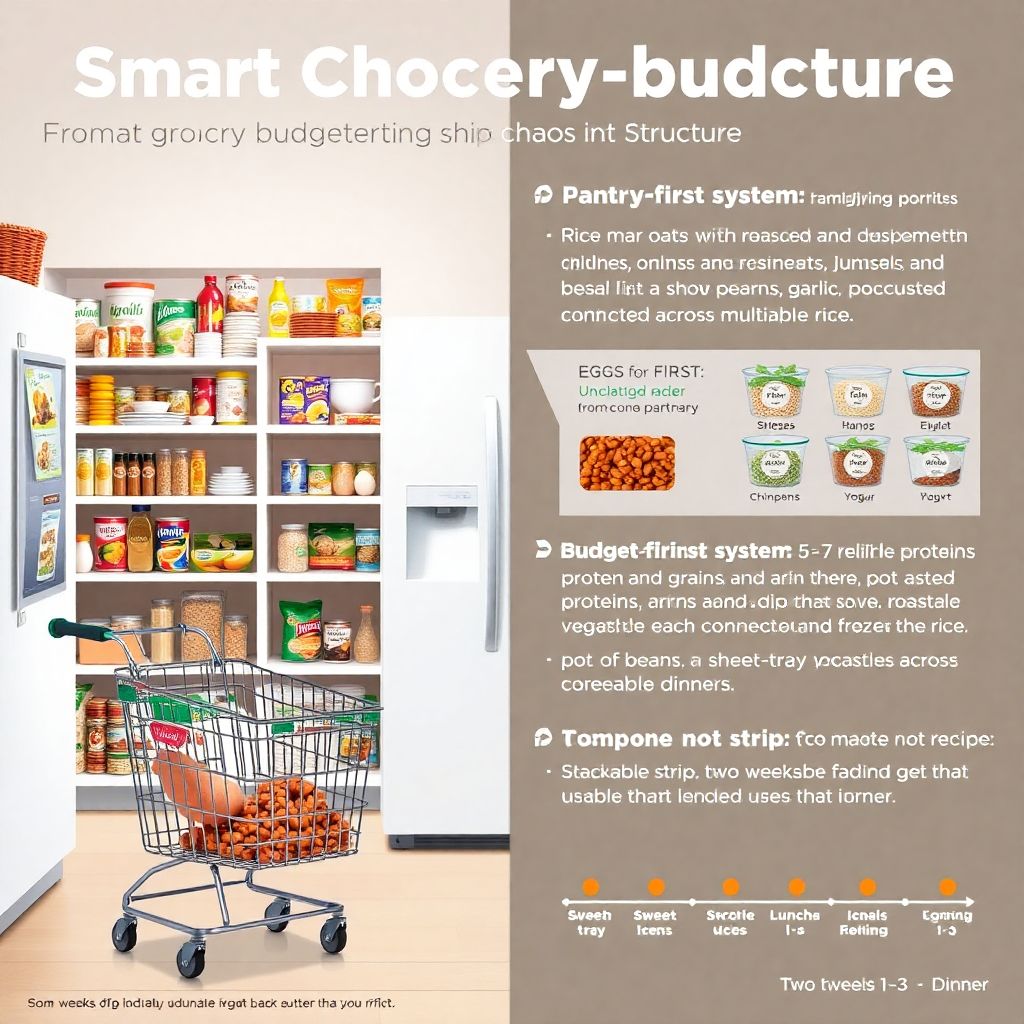
Why grocery budgeting often falls apart

You start motivated, then life happens: a busy week, a sale that looks irresistible, and suddenly the cart is full of “just in case” items. Newcomers overestimate cooking time, underestimate portions, and forget perishables’ shelf life. The biggest slip? No plan for how to save money on groceries beyond “buy cheaper stuff,” so waste creeps in. Another trap is chasing coupons without checking unit prices. When the fridge turns into a museum of half-used sauces, budgeting feels pointless—yet a few structural tweaks can flip the script fast.
From chaos to structure: build a pantry-first system
Start with a living pantry staples list that matches what you actually cook, not what influencers love. Then craft a budget grocery list from that core, using 5–7 reliable proteins, grains, and veg that connect into multiple dinners. Think in components, not recipes: a pot of beans, a roast tray of veg, a pot of rice—mix and match across meals. Track usage for two weeks to see what disappears and what lingers. This trims impulse buys and turns your kitchen into a toolkit, not a warehouse of mismatched ingredients.
• Starter pantry picks:
– Rice, oats, lentils, canned tomatoes, chickpeas
– Eggs, frozen veg, peanut butter, yogurt
– Onions, garlic, soy sauce, canned tuna, oil
Real case: the student on a tight schedule
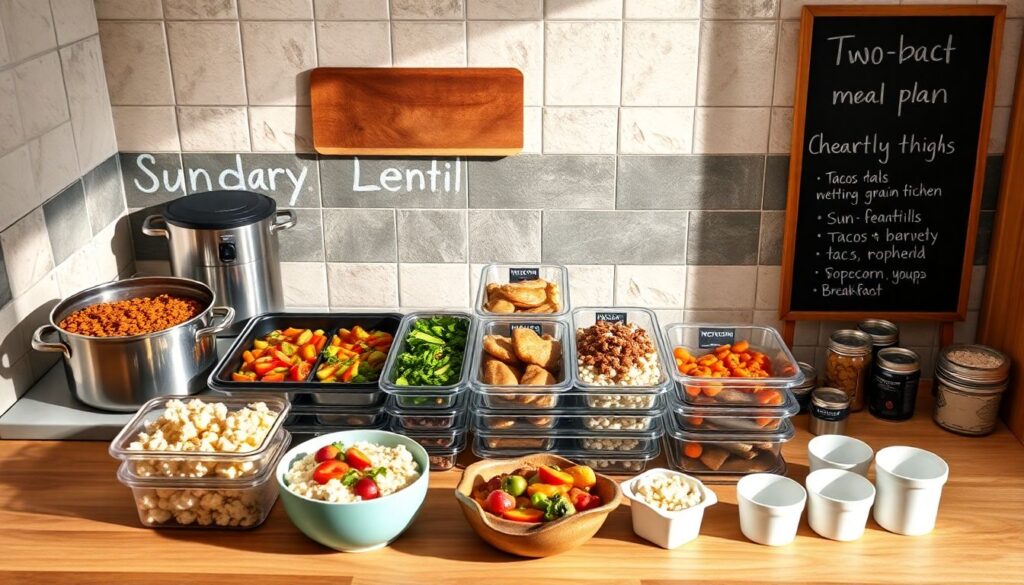
Nina had a rolling list but still overspent. We swapped recipe-by-recipe shopping for a two-batch base: Sunday lentil pot and roasted veg, Wednesday chicken thighs. Her budget meal plan stacked tacos, bowls, and soups from those bases. Breakfast stayed oatmeal plus fruit; snacks were popcorn and yogurt. Result: 28% lower spend, zero midweek takeout. The twist was portion mapping: labeling containers “lunch 1–3” so dinners weren’t raided. She also weighed portions once to calibrate eyes to reality—simple, but it stopped overcooking.
Real case: the family with vanishing produce
Jamal’s family tossed greens weekly. We flipped order: frozen-first for cooked dishes, fresh reserved for raw use in first three days. He made a micro-inventory: a whiteboard with “use next” items. The budget grocery list moved berries to small packs and apples to bulk, and milk to shelf-stable split across weeks. Savings hit 22%, and, crucially, waste fell. They kept one “wildcard” item for fun, which reduced impulse buys. A Friday “clear-the-fridge” pasta baked remaining veg into dinner and cleaned shelves.
Non-obvious solutions that punch above their weight
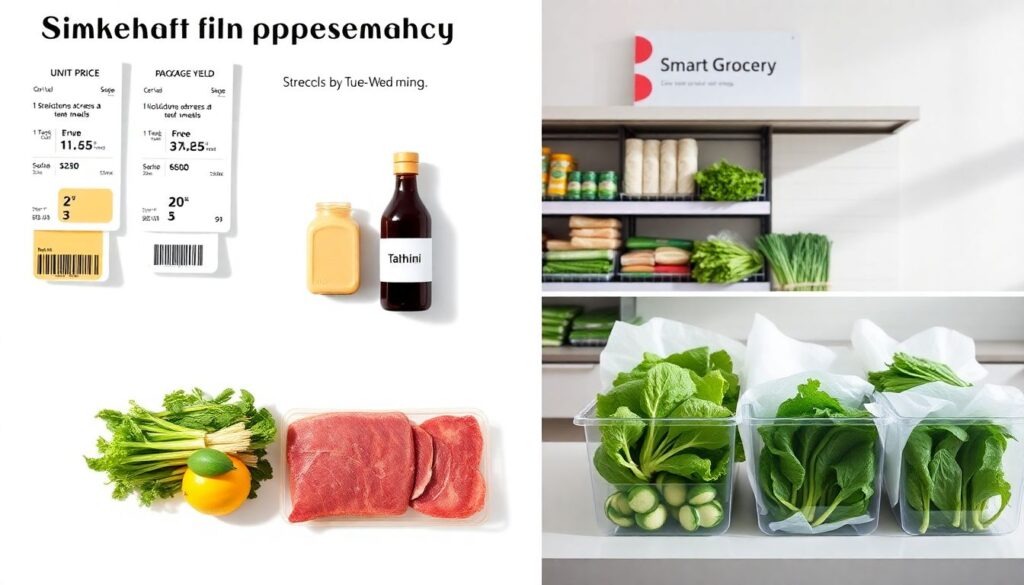
Shop the boring victories: unit price, package yield, and versatility. A jar of tahini or soy sauce seems pricey, but stretches across dozens of meals. Learn store rhythm—markdown meat often drops Tue–Wed mornings. Pre-wash and portion greens into airtight boxes with a paper towel; they last days longer. Batch spice blends (taco, curry, chili) to dodge one-off jars. And buy pantry staples online when your store inflates basics; subscribe-and-save locks price floors and cuts “just browsing” temptations in aisles.
Alternative methods when planning feels heavy
If strict weekly menus fail, try reverse planning: check what’s in stock, then pick recipes that fit. Or run theme nights—soup, stir-fry, pasta, bowl—so you only choose fillings. Another route: cash envelope for groceries; when it’s gone, you pivot to pantry. Community swaps help too: trade your bulk yeast for a neighbor’s spices. Rotate breakfast and lunch to three repeating sets; keep creativity for dinner. This keeps your budget meal plan flexible but predictable, which is exactly what budgets need.
Pro-level hacks that quietly save a lot
Pros don’t just buy cheap; they control flow. Freeze half your bread the day you buy it, portioned. Cook once, season twice: simmer beans plain, then finish portions with different sauces. Keep a “soup bag” in the freezer for veg scraps. Label everything with date and purpose. And set two price alarms—your rock-bottom and your acceptable price—so you stock up only when it truly pays off.
• Smart-shopper moves:
– Track 10 items’ unit prices in notes; ignore fluffy “savings”
– Batch-cook grains; reheat with a splash of water to revive texture
– Swap protein: eggs and legumes stand in when meat spikes
Common beginner mistakes to ditch this week
Skipping a realistic cooking schedule, buying specialty ingredients for one dish, and overloading perishables are classic missteps. Another is building a pantry staples list from “shoulds” instead of habits, or forgetting to salt and sauce—bland leftovers become takeout magnets. People also chase coupons for fancy snacks while core items go full price. Start small: two bases, three dinners, one snack, and a simple breakfast loop. Document what you actually ate. That’s the quiet, reliable path to how to save money on groceries.