

The Hidden Leaks in Your Bill
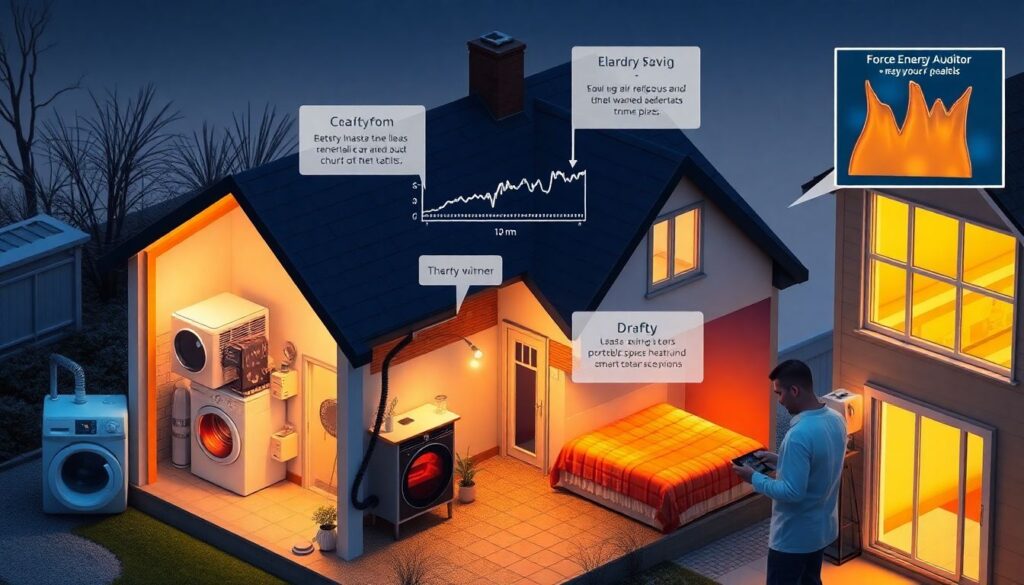
If your utility bill feels unpredictable, start by treating your home like a small lab. Map when spikes happen, then match them to habits: laundry on cold evenings, electric oven during peak price windows, space heaters in leaky rooms. A quick win is booking a home energy audit near me—auditors use blower doors and thermal cameras to reveal drafts, duct leaks, and vampire loads you can’t see. You’ll get a prioritized fix list with payback times, so you stop guessing. Pair that with checking your utility’s rate plan; many households unknowingly pay more for convenience than for actual energy, especially under time-of-use pricing.
Real Cases That Paid Off
A two-bedroom rental in Phoenix cut summer bills by 19% just by sealing a return-duct gap and adding shade film; ROI was under five months. In Boston, a family swapped a constant 72°F for a 68–74°F band and shifted dishwashing to off-peak; gas dropped 11%, electricity 14%. A farm cottage in Ohio used smart plugs to schedule dehumidifiers, saving 22% without touching comfort. In every case, they paused to compare electricity rates and plans before buying gear. That step alone recouped more than any gadget because it aligned behavior and equipment with the cheapest hours.
Smarter Controls, Smaller Bills
Automation pays when it’s set up around your routine, not just installed. The best smart thermostat is the one that actually learns your occupancy patterns and geofences your returns, then coordinates with ventilators or heat pumps rather than fighting them. Use room sensors to avoid overheating spare rooms, and cap electric water-heater setpoints to curb standby loss. Build scenes: one button for “cooking” that boosts range hood and trims HVAC airflow, another for “away” that drops setpoints and kills nonessential circuits. Data from these devices reveals which rooms leak comfort—and which habits cost cash.
Non‑Obvious Moves That Matter
Everyone talks about insulation, but sequence matters more than material. Before new batts, seal attic penetrations and top plates; otherwise you’re just filtering air leaks. Ask contractors to show you pre/post blower-door numbers so you know the upgrade works. When weighing home insulation cost, include the price of air sealing, ventilation balancing, and attic baffles—skipping those often delays payback by years. In apartments, use reversible fixes: door sweeps, foam gaskets behind outlets on exterior walls, thermal curtains with magnetic side seals. Small friction reductions in airflow can outperform a thicker layer of poorly installed insulation.
Alternatives Beyond the Grid

Don’t jump into generation until you’ve shrunk the load. Once you’ve tightened the envelope and tuned schedules, evaluate local incentives and the solar panels cost with a realistic production model, not brochure averages. Size arrays to mid-day loads like EV charging or heat-pump water heating so you self-consume more. If your utility pays weak export rates, a modest battery that rides through peak hours can beat a larger array. Renters aren’t stuck: community solar shares and window heat pumps slash kilowatt-hours without roof rights. Always compare lifetime cost per saved kWh, not just upfront hardware prices.
Cost‑Savvy Decisions

Think in stacks: behavior, controls, envelope, equipment, then generation. A heat pump might be glamorous, but a balanced duct system often saves more per dollar. For water heating, add a demand-controlled recirculation pump before replacing the tank. Induction cooktops cut waste heat and summer AC load. If you run servers or aquariums, relocate them to spaces you already cool. Track comfort complaints; they’re clues to inefficiencies. Check utility alerts for demand-response payouts—you’re paid to pre-cool, then coast through peaks. Keep a simple KPI: dollars per comfort day. If it drops monthly, your stack is working.
Pro‑Level Hacks You Can Steal
1) Create a “price-aware” routine: automate laundry, dishwashing, and EV charging to off-peak; let a single rule disable them during critical peaks.
2) Set HVAC fan to circulate 10–15 minutes each hour in mild seasons; it evens temps without full compressor runs.
3) Use a watt-meter on the fridge for a week; door-seal replacements often save more than upgrading the whole unit.
4) Install smart breakers or sub-meters on HVAC and water heating to spot drift early.
5) Calibrate thermostat sensors annually; a 1°F error can add 3–5%.
6) Revisit plans yearly—rate structures change, and so do your habits.