
Why start now: demand, data, and a realistic angle
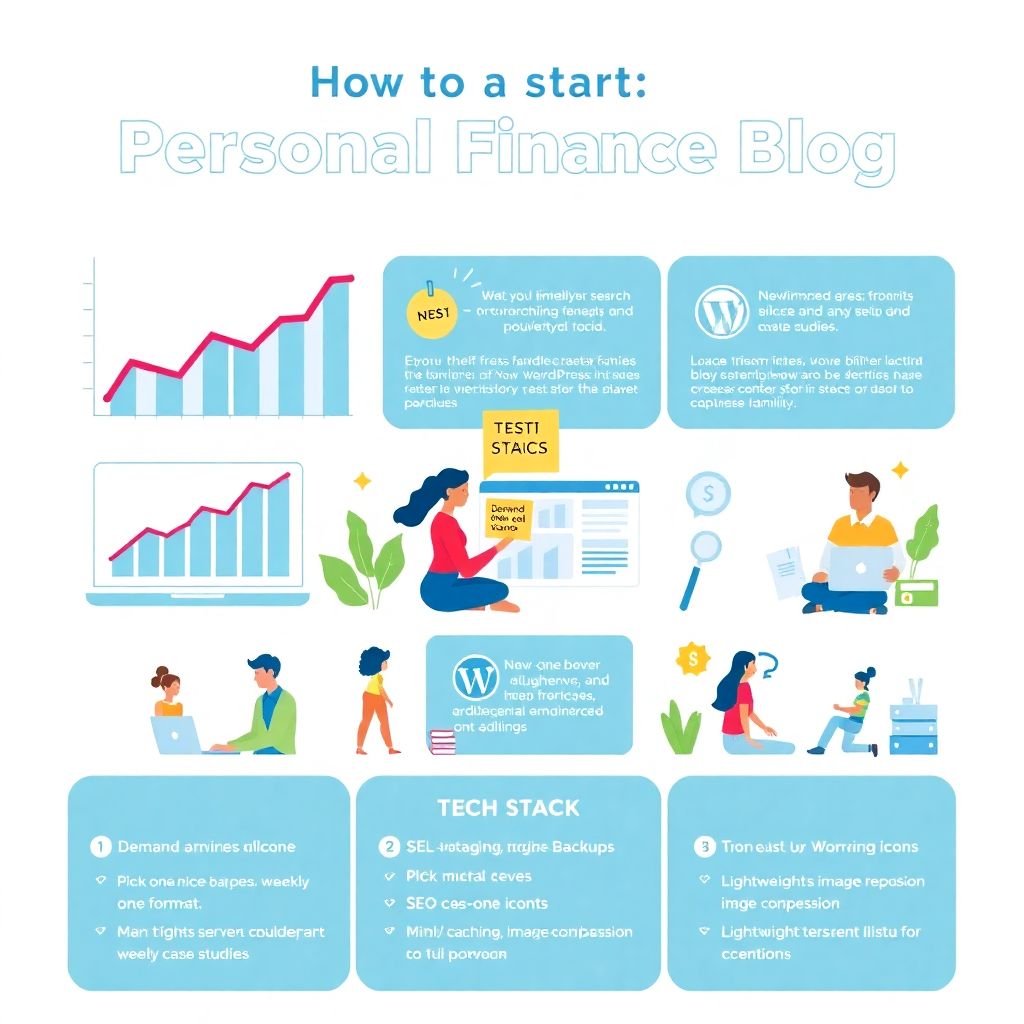
The search interest for how to start a personal finance blog keeps rising because money questions never go out of season. WordPress powers roughly 43% of the web, so the tooling is mature, cheap, and well-documented. Finance content also benefits from stronger advertiser demand—CPMs often outpace lifestyle topics—so effort can pay off sooner with fewer pageviews. Practically, pick one audience slice (new grads, freelancers, or families) and one signature format, like weekly case studies. A tight niche helps you rank faster, earn trust, and test ideas without boiling the ocean.
Pick your stack without overthinking it
If you want flexibility and ownership, the best blogging platform for personal finance is usually self‑hosted WordPress. It’s portable, SEO‑friendly, and integrates with email tools and analytics. Look for the best web hosting for WordPress blog setups that offer free SSL, staging, and daily backups; those save hours when you break a plugin. Keep plugins lean: SEO, caching, image compression, and a lightweight theme. If you crave minimal maintenance, consider a hosted option, but plan how you’ll migrate later if you outgrow limits on custom monetization or data access.
Content plan: publish like a product manager
Build a three‑month roadmap around problems people actually Google. Start with 10 cornerstone guides (budgeting, debt payoff, credit building), each with clear examples and screenshots. Then add weekly “tactical” posts—like a 15‑minute bill‑negotiation script—and one opinion piece that challenges a myth. Use frameworks: “explain, show, do.” For instance, explain sinking funds, show a spreadsheet, then give a template. Early traffic rarely comments, so measure the silent signals—scroll depth, time on page, and email opt‑ins—to decide what to double down on.
SEO basics that move the needle
Keyword tools are helpful, but your secret weapon is search intent. If the SERP shows calculators and checklists, build one better, not another think‑piece. Interlink posts so readers take the next step—“from emergency funds to insurance deductibles” is a natural bridge. Add author credentials and cite reputable sources to improve E‑E‑A‑T. Update winning posts quarterly: rates, contribution limits, and offers change, and freshness boosts rankings. Aim for fast loads; compress images and lazy‑load charts. A clean site that answers in plain English will outperform a clever one that loads slowly.
Monetization: start small, layer smart
Here’s how to monetize a personal finance blog without scaring readers. First, capture email and send a weekly, skimmable roundup; email still returns roughly $36 per $1 spent in many reports. Second, pick a few personal finance affiliate programs that match your audience: high‑yield savings, budgeting apps, or credit monitoring. Write “use‑cases,” not banners—e.g., “I used this app to categorize reimbursable expenses in 10 minutes.” Later, add a starter digital product, like a tax checklist or debt snowball sheet, and test low‑friction pricing to validate demand.
Numbers to watch and realistic revenue paths
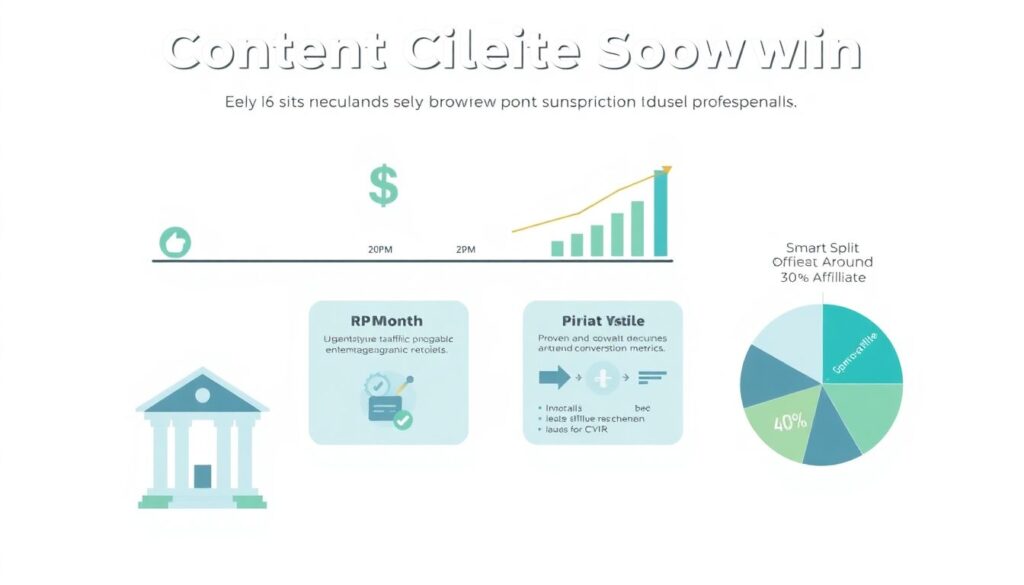
Expect a slow burn. For many new sites, 6–12 months is normal before organic traffic compounds. Finance niches can see stronger RPMs because brands pay more for qualified leads, while affiliates may offer flat fees or rev‑share; negotiate after proving conversion. A smart split might be 40% affiliate, 30% digital products, 20% ads, 10% consulting in year two. Keep your dependency diversified: no single partner should exceed 25% of revenue. Seasonality is real—tax season and New Year resolutions spike interest—so schedule launches around those peaks.
Audience growth: meet people where they already hang out
Treat distribution like a habit. Repurpose each post into a LinkedIn thread, a short video walkthrough, and a newsletter tip. Finance audiences often prefer credibility over theatrics; show your spreadsheet, don’t just preach. Collaborate with adjacent creators—career coaches, legal pros, or productivity writers—to swap guest posts and broaden reach. A simple free tool, like a paycheck splitter calculator, can attract backlinks for months. Track UTMs to learn which channels drive long‑read sessions, not just clicks, and invest there first. Sustainable growth is compounding attention, not viral spikes.
Economic aspects and cost control
Keep fixed costs low until revenue appears. Hosting, a premium theme, and one pro email tool might run a modest monthly sum; everything else can wait. Variable costs—like transcription, editing, or design—scale with output, so outsource only the bottlenecks that slow publishing. The broader digital ad market keeps expanding, and finance spend remains resilient, but rates fluctuate with macro cycles. Hedge by building direct advertiser relationships via a media kit showing audience income bands and content engagement, not just pageviews. Brands pay for fit and outcomes.
Industry impact and where things are headed
Consolidation and credibility
Aggregator sites buy profitable blogs, pushing up expectations for quality and disclosures. That’s good news if you maintain transparent methodology, cite sources, and publish data‑driven reviews. Expect more scrutiny from platforms and regulators, so keep affiliate disclosures clear and refresh outdated claims promptly.
Forecasts and formats
Short‑form video will keep seeding top‑of‑funnel traffic, but evergreen, text‑plus‑tools content will win durable rankings. Analysts expect creator‑led businesses to keep gaining share of brand budgets, especially in finance where trust is scarce. Build defensibility: original calculators, research mini‑surveys, and community Q&As that competitors can’t copy overnight.
Practical checklist to get moving this week

– Define your slice: “first‑job professionals in high‑rent cities.”
– Set up hosting and WordPress, lock a lightweight theme, and publish an About page with your money stance.
– Ship two cornerstone posts and one tactical guide, each with an email CTA.
– Join two personal finance affiliate programs aligned with those posts.
– Launch a weekly newsletter; promise one tip, one template, one chart.
– Measure, iterate, and keep shipping; momentum beats perfection.
Now you know how to start a personal finance blog, avoid busywork, and grow an audience that actually sticks around.