
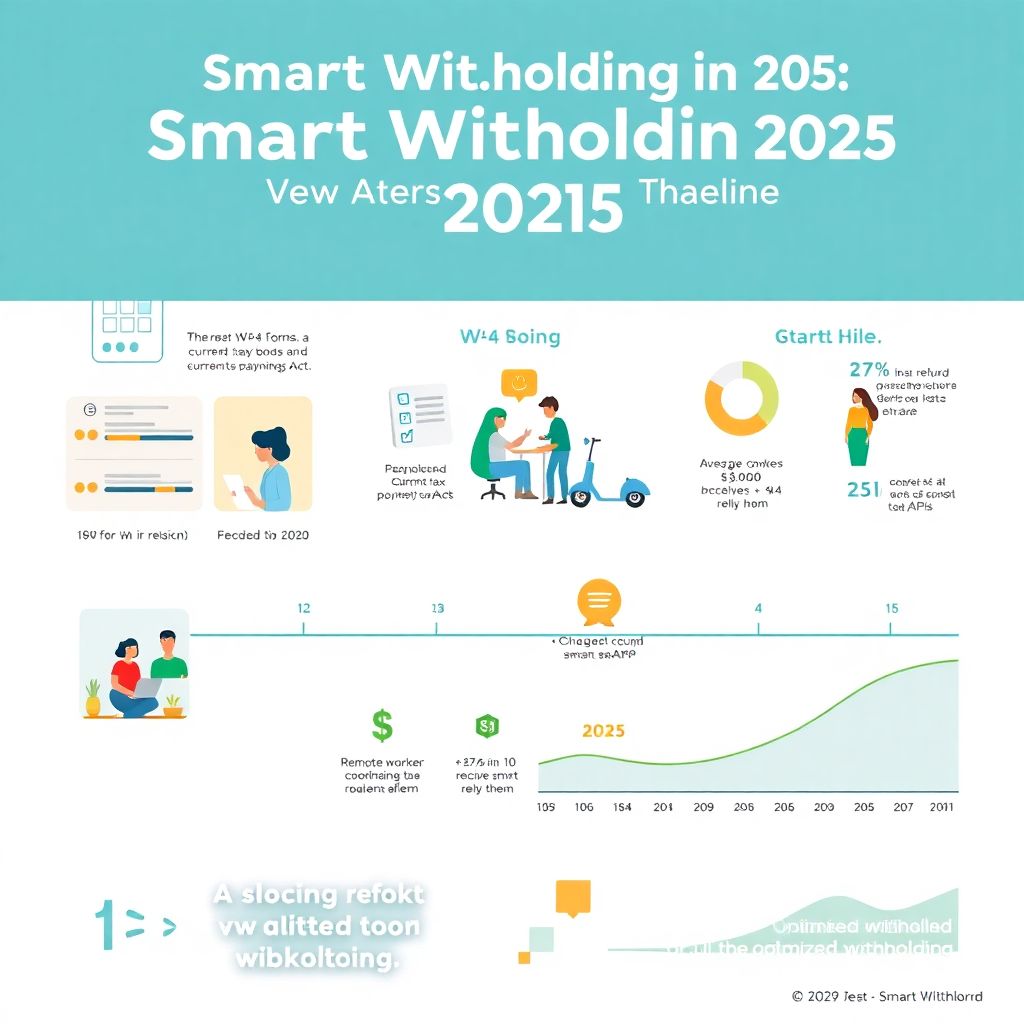
Smart Withholding in 2025: Why It Matters More Than Ever
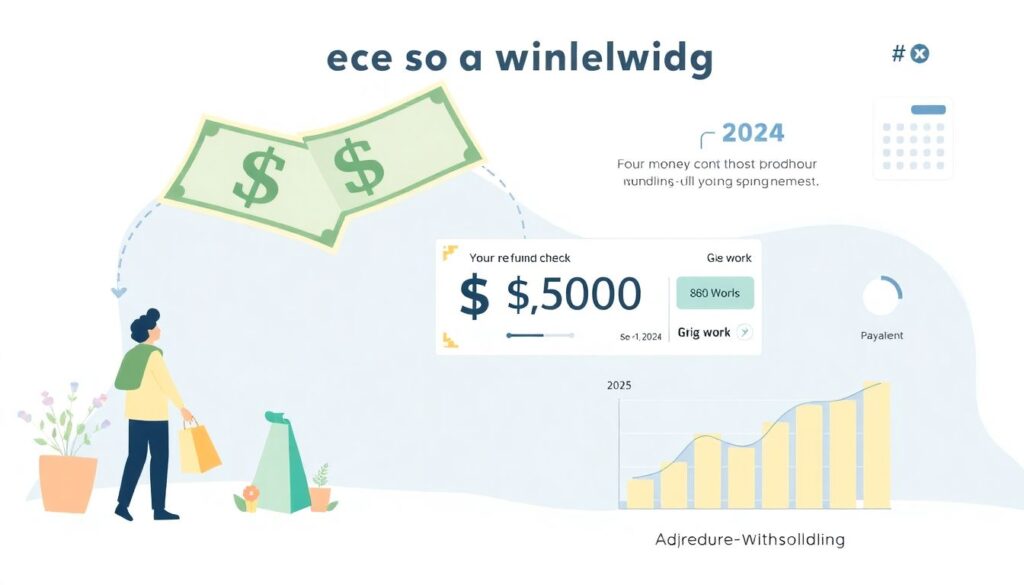
Tax refunds feel like a bonus, but they’re really your money coming back without interest. In 2024, the IRS reported an average refund a bit over $3,000, nudging households’ spring spending. In 2025, with paycheck volatility from gig work and remote jobs, dialing in withholding is the cleanest way to maximize tax refund potential without overpaying all year. The aim isn’t just a bigger check; it’s a smoother cash‑flow curve where you avoid penalties, tame surprises, and keep more of each paycheck when you actually need it.
From War Bonds to W‑4s: A Brief History of Withholding
Modern withholding started in 1943 under the Current Tax Payment Act to fund the war effort and stabilize federal cash flow. Over decades, the W‑4 form evolved from allowances to today’s income‑driven entries after the 2017 Tax Cuts and Jobs Act, which removed exemptions and reshaped brackets. By 2020, the redesigned W‑4 aimed for precision, reflecting multiple jobs and gig income. In 2025, smarter tools and payroll APIs let workers fine‑tune withholding in ways that were unthinkable a generation ago.
The Numbers Behind Bigger Refunds
Roughly 7 in 10 filers receive refunds, and about a quarter rely on them for big‑ticket needs or debt pay‑downs. Data from recent filing seasons show average refunds fluctuating with inflation adjustments, credits, and timing of returns—think child credit phase‑outs and expanded 1099 reporting. A sharper W‑4 can shift hundreds of dollars per month back into paychecks or, if you prefer, front‑load an expected refund. Either way, data‑driven withholding trims the gap between taxes owed and taxes paid.
How Withholding Actually Works
Employers withhold based on your W‑4 entries: job count, dependents, other income, and extra per‑paycheck amounts. If you add side‑hustle income or capital gains midyear and don’t adjust, you risk underpayment penalties. Conversely, overshooting means the government holds your cash interest‑free. To maximize tax refund outcomes, sync your W‑4 with life events—marriage, a second job, childcare changes—and revisit after big market moves. Precision comes from updating, not just filing once and forgetting.
– Track life changes (marriage, dependents, second job) within 30 days
– Recheck after bonuses, RSU vests, or sizable capital gains
– Coordinate spouse incomes; two jobs can quietly under‑withhold
– Set calendar reminders for quarterly reviews
Tools That Do the Heavy Lifting
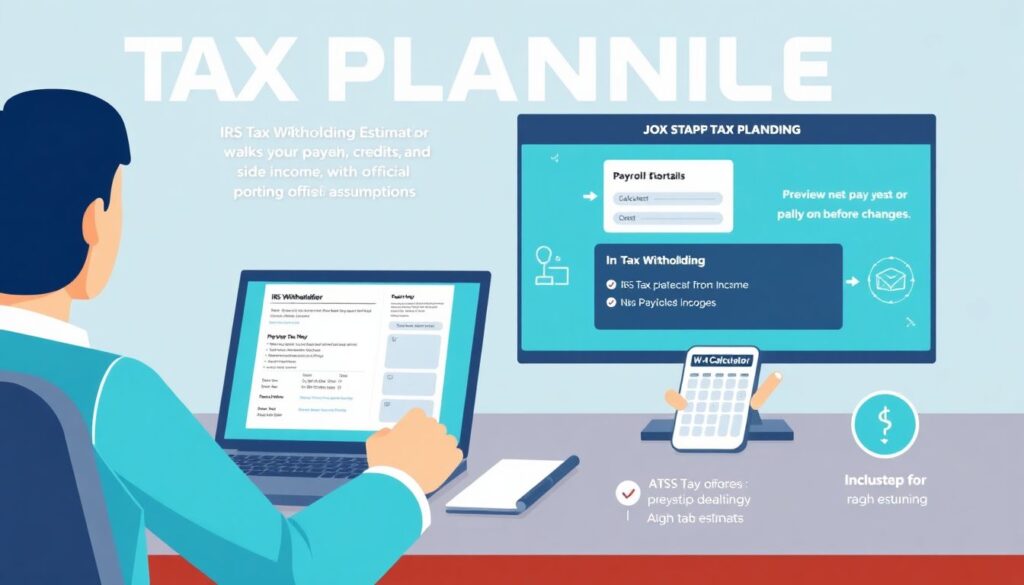
A tax withholding calculator is your first stop for rough estimates, while the IRS tax withholding estimator walks you through paycheck details, credits, and side income with official assumptions. Many payroll portals embed a W‑4 calculator so you can preview net pay before changes hit. If your goal is how to fill out W‑4 to get a bigger refund, these tools model dependents, deductions, and extra withholding per paycheck, so you can test scenarios without guesswork or spreadsheets.
Practical Tactics to Maximize Precision
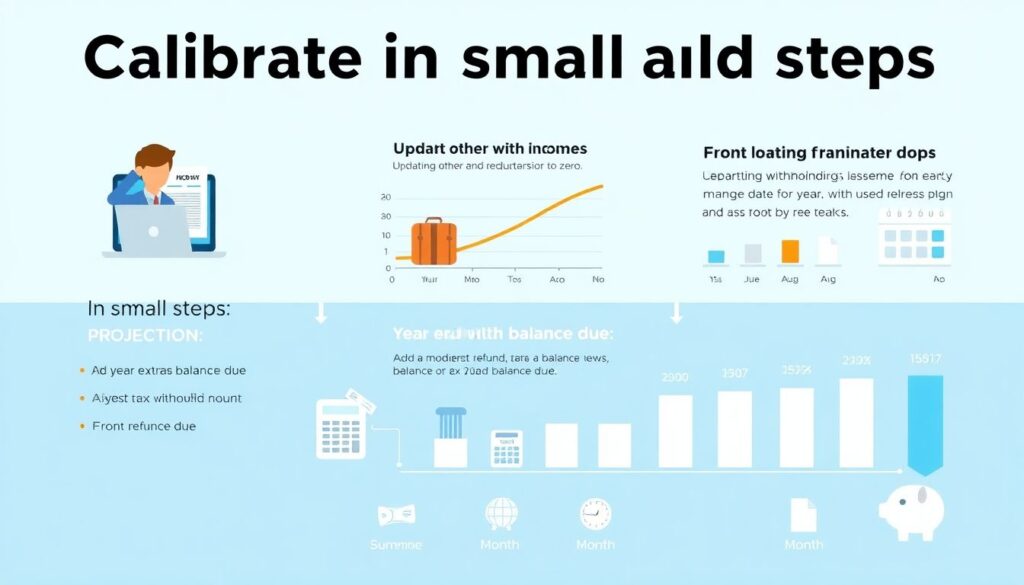
Calibrate in small steps. Start by entering accurate other income and deductions on your W‑4, then add a modest extra withholding amount if projections show a year‑end balance due. If you want to maximize tax refund size for a specific goal—say, funding a summer move—front‑load extra withholding for a few months, then dial it back. And if you freelance, pair W‑4 tweaks with quarterly estimates to keep penalties at bay while smoothing cash flow across seasons.
– Use pay‑stub month‑to‑date figures when running estimators
– Re‑run tools after each raise or job change
– Align withholding with IRA/HSA moves and charitable bunching
– Document assumptions so future you knows what changed and why
Economic Ripple Effects
Withholding choices scale to the macroeconomy. Larger average refunds can lift Q2 retail sales, but tighter, smarter withholding spreads spending across the year, dampening refund‑season spikes and reducing refund‑anticipation loan demand. For households, right‑sized withholding improves liquidity and lowers credit card interest paid. For the Treasury, better alignment smooths revenue receipts. In 2025’s higher‑rate environment, avoiding interest‑free loans to the government is simply efficient personal finance.
Industry Impact: Software, Payroll, and Fintech
Tax software now markets real‑time paycheck modeling, and payroll providers surface nudges when your withholding looks off versus prior‑year outcomes. Fintech apps integrate the IRS tax withholding estimator via friendly dashboards, while employers use behavioral prompts to encourage W‑4 updates after promotions. Expect broader API links between brokerages and payroll so equity comp withholding adjusts automatically at vest. The upshot: fewer surprises in April and a quieter refund‑advance niche.
Looking Ahead: Forecasts for 2025–2027
As reporting expands for digital payments and gig platforms, more filers will need midyear adjustments. We’ll likely see modest declines in average refund size as workers optimize in‑year cash flow. AI‑driven assistants will prefill W‑4 updates, learn your patterns, and suggest changes after life events hit your calendar. The winner is the informed employee who revisits settings quarterly, uses a W‑4 calculator to sanity‑check, and updates promptly to maximize tax refund results without drama.