
Why Budgeting for Emergency Home Repairs Matters
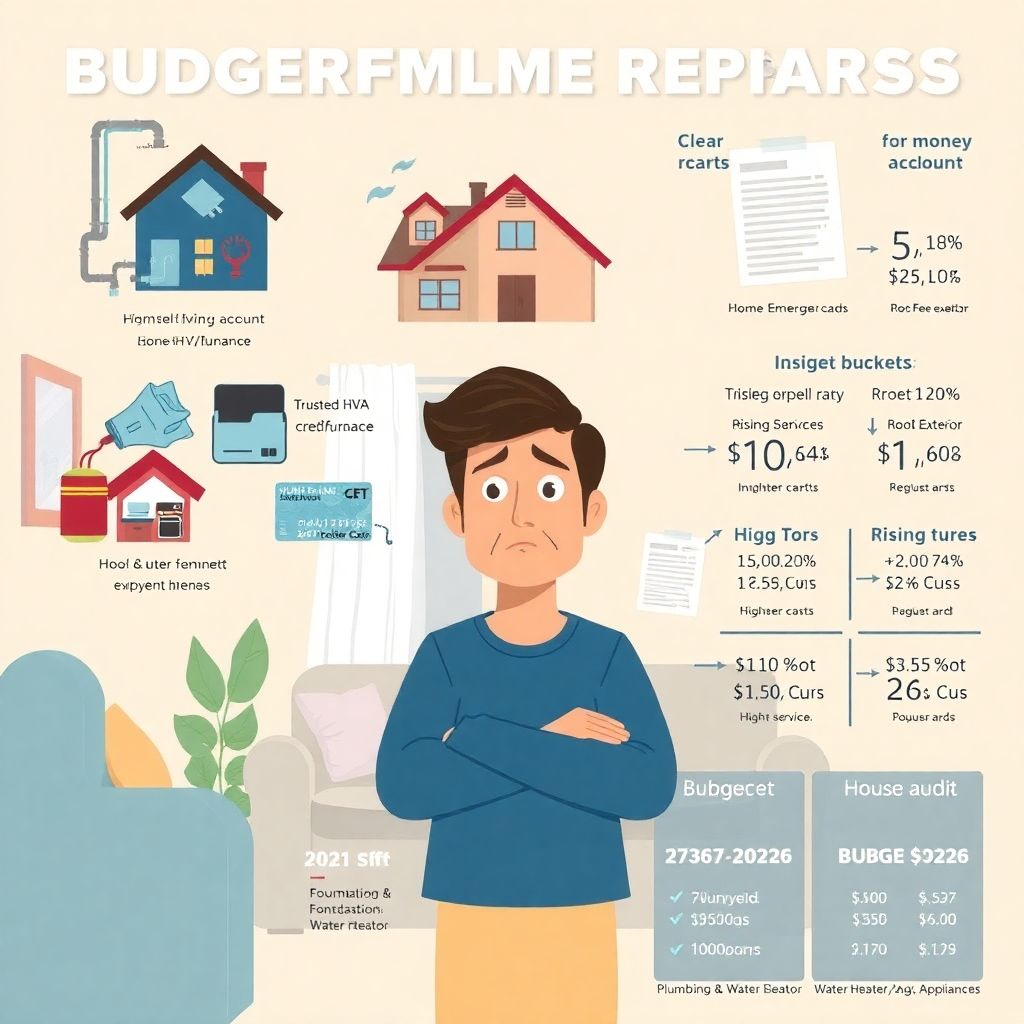
Over the last three years, surprise breakdowns have been getting steadily more expensive. Industry reports from Angi and HomeAdvisor show that overall home repair spending in the U.S. has climbed roughly 5–10% per year from 2021 through 2023, driven by labor shortages and material prices. Emergency visits cost even more: rush plumbing calls, same‑day HVAC fixes or urgent roof patching often carry premiums of 20–50% over scheduled work. That’s why a practical, realistic budget is not a “nice to have” anymore; it’s the only way to avoid putting emergencies on high‑interest credit cards or delaying critical fixes that can snowball into far bigger damage.
Estimating Realistic Emergency Costs
Looking at Recent Cost Trends
Before you decide how much to set aside, you need a ballpark. Recent surveys show homeowners typically spend several thousand dollars a year on maintenance and unplanned fixes combined, and a meaningful chunk of that is truly urgent work. From 2021–2023, the share of homeowners reporting at least one emergency repair each year has hovered around two‑thirds. In practical terms, that means most people should expect something big to break every year or two. Instead of guessing, look back at your own last three years: how many times did you call a contractor, plumber or electrician on short notice, and what did those visits really cost once fees, parts and tax were included?
Planning for Specific Emergencies
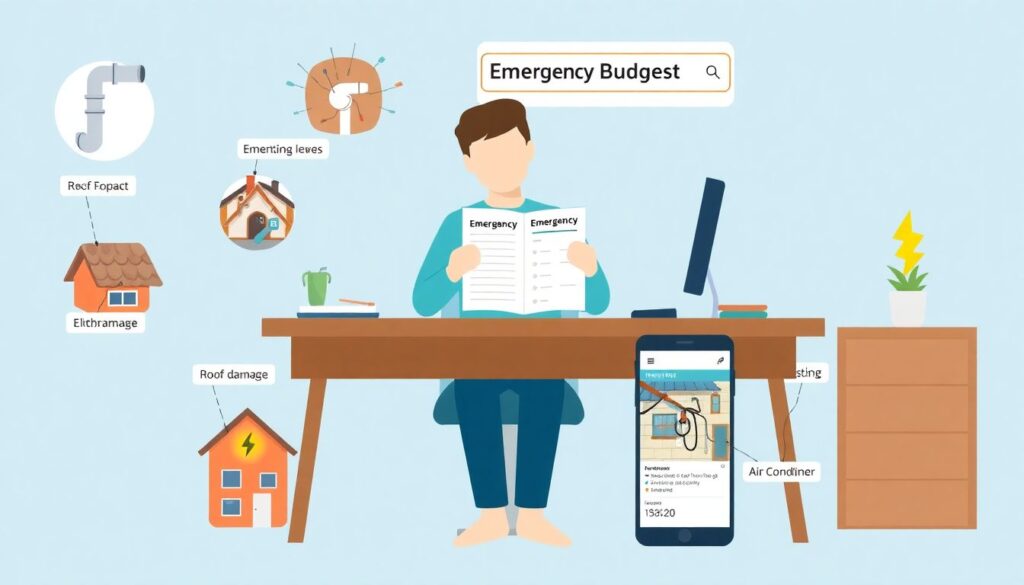
To tighten your numbers, break your emergency budget into categories rather than using one vague pot of money. Common high‑impact items are plumbing leaks, roof damage, electrical faults and heating or cooling failures. Search “emergency plumbing repair cost and estimates” for your city and write down the low, typical and high ends you see; do the same for electrical and HVAC visits. Use the “high” numbers for emergencies, because they usually happen at night, on weekends or during bad weather, when rates spike. If you live in a storm‑prone area, also research what local contractors charge for tarp‑and‑patch visits after hail or wind damage, since temporary fixes can be surprisingly pricey.
Essential Tools for Financial Preparedness
Building Your “Money Toolbox”
Just like a basic tool kit makes small DIY fixes cheaper, a dedicated financial toolkit cushions you when things go wrong. At the center is an emergency home‑repair fund, separate from your general rainy‑day savings so you don’t accidentally spend it on vacations or gadgets. For a typical single‑family home, a practical starting goal is one month of mortgage or rent set aside strictly for repairs, then slowly building toward 1–3% of your home’s value spread over a few years. For condos, you can often aim lower because part of the building shell is handled by the association, but interior plumbing and electrical issues still fall on you.
– Separate high‑yield savings account labeled “Home Emergencies”
– A modest, low‑fee credit card kept mainly for big surprise repairs
– A list of trusted contractors with after‑hours numbers saved in your phone
Comparing Warranties, Insurance and Credit

Beyond cash, look at what safety nets you already have. Homeowners insurance usually covers sudden, accidental damage (like a tree falling on your roof), not slow wear and tear. In the last three years, more owners have added service contracts as a buffer, which is why ads for the “best home warranty for emergency repairs” have exploded. These plans can help with systems like HVAC, major appliances and sometimes plumbing lines, but they come with exclusions, caps and service fees. When cash is tight, also research home repair financing options for emergencies, such as personal loans from your credit union or contractor‑offered payment plans. Run the numbers carefully: paying a bit of interest might be worth it to stop a leak that could otherwise destroy flooring and drywall.
Step‑by‑Step Process: Building Your Repair Budget
Step 1: Audit Your Home’s Weak Spots
Start by listing major systems: roof, foundation, plumbing, electrical, HVAC, water heater, windows and appliances. Note age, visible condition and any past problems. For example, if your water heater is over 10 years old or your furnace dates back to the early 2000s, they’re not just theoretical risks; they’re near the end of typical service life. From 2021 to 2023, warranty and insurance claim data consistently show water damage and HVAC failure among the top emergency categories, so pay special attention there. The more honestly you assess your house, the better you can anticipate whether your next big bill is more likely to involve a ladder, a plumber’s snake or a new compressor.
Step 2: Price Out Local Emergency Help
Next, get a realistic sense of what help will cost in your area, not nationwide averages. Call or email a few contractors and ask for their minimum emergency call‑out fees and typical ranges. When you search “emergency home repair services near me,” don’t just bookmark the first result; look up reviews and ask neighbors who actually showed up when they needed help at 11 p.m. You’ll often find that companies with glossy ads charge higher premiums than smaller, reputable outfits recommended by word of mouth. Capture everything in a simple document: category, contractor name, after‑hours fee, regular rates and any note about weekend or holiday surcharges.
Step 3: Set a Target Number and Timeline
Combine your home audit and local price research into a single target. For example, you might aim for $2,000 in the first year if you have older systems, or $1,000 if things are newer and well‑maintained. Divide that by 12 and automate transfers into your emergency account. If inflation keeps running high, increase your monthly contributions by a small percentage each year to keep pace with rising labor and material costs. Over the 2021–2023 period, many repair categories saw annual price jumps in the mid‑single digits, so bumping your savings rate by 5% each year is a sensible hedge. Adjust quarterly if your income changes or if a big repair forces you to tap the fund.
Handling Specific High‑Risk Repairs in Your Budget
Plumbing and Water Damage

Plumbing surprises are fast, messy and expensive. A burst pipe can rack up hundreds in emergency labor plus thousands in restoration if you delay. When you gather emergency plumbing repair cost and estimates, pay special attention to what’s included: some quotes cover only the plumbing fix, not opening and closing walls or drying soaked materials. To budget smartly, set a specific “water damage reserve” within your overall emergency fund, since water incidents can trigger multiple contractors—plumber, drywall installer, flooring specialist. In colder regions, factor in the risk of frozen pipes; in older homes, galvanized or polybutylene pipes make sudden failures more likely and justify a higher plumbing line item in your plan.
Roof and Exterior Damage
Storms and aging shingles generate a steady stream of urgent calls for roofers. Full roof replacements are rarely true emergencies, but leaks and missing shingles definitely are. Look up a few affordable emergency roof repair companies in your area and ask about their minimum charge just to come out and tarp or patch during a stormy weekend. That short visit can easily cost more than a scheduled weekday repair, but it’s still far cheaper than letting water pour in. Build a separate “roof and exterior” bucket into your budget, especially if your region has hail, hurricanes or heavy snow. Pair that with annual inspections to catch trouble early and stretch your dollars.
– Plan for at least one urgent exterior visit every 3–5 years
– After major storms, photograph your roof and siding for future claims
– Ask roofers about temporary vs. permanent fix pricing in advance
Troubleshooting Your Budget When Reality Hits
When a Repair Blows Past Your Savings
Sometimes the numbers simply don’t match the problem in front of you. If a major failure happens before your fund is fully built, prioritize limiting damage first, then financing. For instance, pay for a temporary patch, shutoff or bypass to stop active leaks or electrical hazards. After that, compare financing routes: 0% promotional credit cards (if you can clear the balance on time), personal loans, or payment plans offered by contractors. Over the last few years, more tradespeople have begun partnering with lenders, which can help, but read the fine print. Troubleshoot your budget itself too: can you raise your monthly contribution after this event, or do you need to tweak your goals to something more realistic for your income?
Avoiding Common Planning Mistakes
A lot of homeowners repeat the same budgeting errors, which you can dodge with a bit of foresight. One is assuming warranties cover everything. In reality, even the best home warranty for emergency repairs has limits, exclusions for pre‑existing issues and caps on payouts per system. Another common mistake is ignoring small warning signs—intermittent leaks, flickering lights, damp smells—because they seem minor. Data from maintenance studies between 2021 and 2023 consistently show that deferred issues often cost 2–3 times more when they finally fail for real. Make it a habit to set aside an hour each quarter to walk your property, note concerns and adjust your emergency savings plan before little problems become urgent ones.
Keeping Your Plan Up to Date
Reviewing Every Year
A budget for emergency repairs isn’t something you set once and forget. Revisit it annually, ideally at the same time you review insurance and major subscriptions. Check what actually happened over the previous 12 months: which emergencies hit, what you spent, and how you paid. If you dipped into credit more than you liked, increase your monthly savings target. Also, as your house ages from, say, 10 to 20 years old, expect more major systems to creep toward end of life, so raise your emergency goal accordingly. Factor in inflation and local labor rates, which have trended upward in almost every region over the last three years, especially for licensed trades.
Staying Flexible Without Stress
The real win isn’t just a certain number in your account; it’s reducing the panic when something breaks. By combining cash savings, appropriate insurance, carefully selected warranties and realistic backup financing, you give yourself options instead of scrambling. If you ever feel overwhelmed, zoom out: the point of this whole exercise is progress, not perfection. Even setting aside a modest amount each month dramatically improves your odds of handling the next burst pipe, sparking outlet or surprise leak without derailing your entire financial life. Adjust as you learn, keep your information current and treat your emergency home‑repair budget as a living tool that evolves alongside your home.