

Why budgeting for a new car matters more than ever
Buying a car used to feel straightforward: pick a model you like, check the price, see if the monthly payment fits, sign the papers. Today it’s much more complicated. New car prices in the US have climbed from around $33,000 in 2015 to roughly $48,000–$50,000 in 2024, according to major auto market reports. At the same time, loan terms have stretched to 72–84 months, interest rates have risen, and insurance and maintenance costs keep creeping up. In this environment, learning how to budget for a new car is less about chasing a dream purchase and more about protecting your future self from long‑term financial stress.
Рeople often underestimate how much a car will really cost over five to ten years. The sticker price is only part of the story: fuel, tires, maintenance, repairs, taxes, registration, insurance and loan interest can easily equal or exceed the original price of the vehicle over its lifetime. Add in the rapid depreciation of new cars—often 15–20% in the first year and up to 50–60% over five years—and you get a product that steadily loses value while continuing to demand cash. That doesn’t mean a new car is a bad idea, but it does mean you need a plan, not an impulse.
Step one: answer “how much should I spend on a new car based on income?”
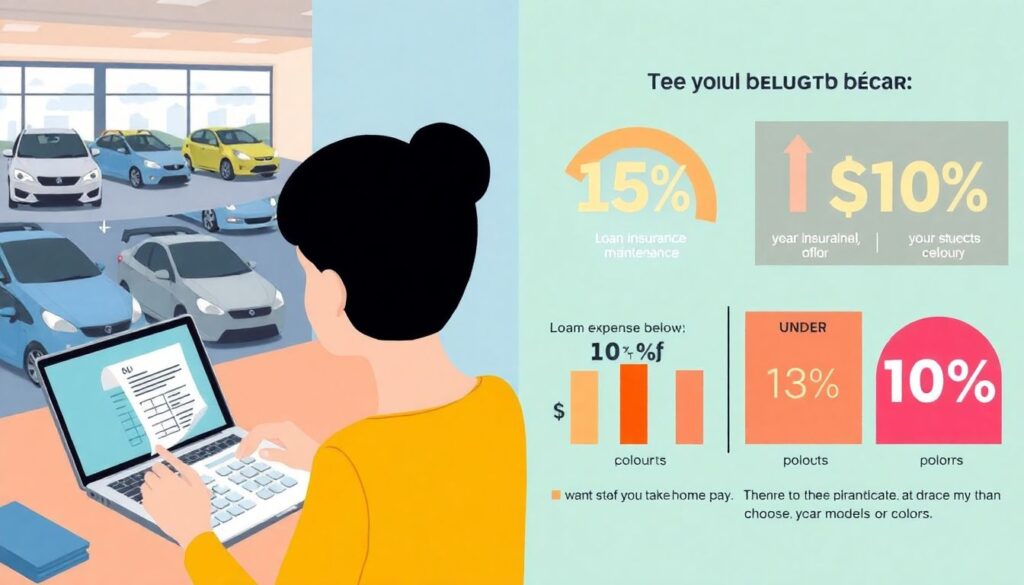
Before looking at models or colors, you need a number: the maximum you can safely spend without sabotaging your other goals. A common rule of thumb suggests keeping all car expenses—loan, insurance, fuel, maintenance—below 15% of your take‑home pay, and the loan payment itself under 10%. Another, stricter guideline says the total price of the car should not exceed 20–25% of your annual net income. These aren’t rigid laws, but they offer a sanity check when emotions start to push your budget higher.
If you want a more tailored answer to “how much should I spend on a new car based on income”, try combining those rules with a simple test: imagine losing your job for three months. Could you cover the car payment plus insurance from an emergency fund without panic? If the honest answer is “no way”, the car is probably too expensive. Many buyers only test whether they can squeak by this month, not whether the payment would still feel reasonable if life got bumpy. Future‑proofing your decision like this is what separates a smart purchase from a future regret.
Using tools and calculators the right way
Online tools like a new car affordability calculator can help, but they are only as realistic as the numbers you feed them. If you ignore insurance, parking, or rising fuel prices, the calculator will cheerfully tell you that your dream SUV is affordable when it’s actually a slow‑motion budget disaster. When you do the math, add at least 10–15% “buffer” on top of your estimated monthly cost to cover inflation, unexpected repairs and policy changes that may impact insurance or taxes.
Some lenders and dealership websites are motivated to show you the highest payment you can technically qualify for, not what you can comfortably live with. Use multiple calculators from neutral financial sites, play with shorter loan terms and slightly higher interest rate assumptions, and see how your payment reacts. If a small change in rates or term length pushes your budget to the limit, that’s a sign you’re cutting things too close. The goal is a payment that leaves you breathing room, not one that locks you into a financial corset for seven years.
Frequent rookie mistakes when budgeting for a new car
New buyers often repeat the same patterns, and these mistakes can cost thousands over the life of the loan. They usually come from focusing on the wrong number (monthly payment instead of total cost), overestimating future income, or underestimating future expenses. The good news is that once you recognize these traps, they’re easy to sidestep.
Common beginner errors include:
– Chasing the lowest monthly payment by stretching the loan to 72–84 months, which increases total interest dramatically.
– Ignoring insurance quotes until after choosing the car, only to discover that the “affordable” sports model doubles their premiums.
– Paying little attention to down payment size and relying on near‑zero down offers, which leaves them upside‑down on the loan for years.
– Treating the dealer’s word on “what you can afford” as objective truth rather than a sales tactic designed to maximize their profit, not your stability.
Another widespread mistake is forgetting about depreciation. Many new owners are shocked to discover that if they try to sell or trade in their car after a year or two, the market value is much lower than the remaining balance on their loan. This “negative equity” problem makes it hard to switch cars, forces you into rolling old debt into new loans, and quietly erodes your financial flexibility. Thinking ahead about resale value, brand reliability and realistic holding period is part of smart budgeting, not an optional extra.
How to save money for a new car down payment
A solid down payment is one of the most powerful tools you have. It reduces your monthly payment, cuts interest costs, and lowers the risk of being underwater on the loan. Many experts recommend 10–20% down on a new car, with the higher end offering better protection against the steep depreciation in the first years. If you’re wondering how to save money for a new car down payment without feeling miserable, the answer is small consistent steps plus a clear, time‑bound goal.
Start by deciding when you want to buy—say in 18 months—and set a target amount, such as $6,000. That’s about $333 per month. Then treat that like a non‑negotiable bill you “pay” to your future self. Automate transfers into a separate high‑yield savings account labelled “Car fund” right after payday so you don’t give yourself the chance to spend the money elsewhere. Over time, even modest interest on that account helps offset inflation and protects the real value of your savings.
Practical saving strategies that actually work

Most people don’t need a complicated system; they need a realistic one. Focus on reducing a few big recurring expenses rather than trimming every minor pleasure. That change frees up meaningful money while keeping your lifestyle bearable during the saving period.
You can try:
– Cutting or downgrading underused subscriptions (streaming, apps, gyms) and redirecting the savings into your car fund.
– Negotiating cheaper insurance, internet or phone plans; even $30–50 a month makes a visible difference over a year.
– Using any extra income—bonuses, tax refunds, side gigs—to boost the fund instead of letting it disappear into general spending.
To stay motivated, periodically check how much your down payment will reduce your future monthly payment using a neutral loan calculator. Seeing the direct connection between today’s discipline and tomorrow’s comfort makes it easier to say “no” to impulse expenses. This mindset shift turns saving from a vague good intention into a clear, numeric trade‑off you control.
Financing a new car: interest, terms and hidden costs
Once your down payment is ready, the next big question is how you’ll finance the rest—and how to evaluate the options without getting lost in jargon. Many banks, credit unions and dealers will eagerly offer loans, but their interests are not the same as yours. They earn money from interest and sometimes from additional products folded into the loan, such as warranties or insurance add‑ons. Your task is to separate the true cost of borrowing from the marketing noise and focus on the total amount you’ll pay over the life of the loan.
When you compare offers, don’t just look at the monthly payment. Look at the Annual Percentage Rate (APR), loan term length and all associated fees. A slightly lower monthly payment can hide a much higher total cost if the term is longer or the fees are steeper. For example, a 60‑month loan at a fair rate often costs far less in interest than a 72‑month loan with only a modestly lower payment. In practice, a shorter, slightly more demanding term is usually healthier for your budget and gives you the freedom to change cars later without dragging old debt along.
Finding the best financing options for a new car purchase
You don’t have to guess which loan is best; you just need to shop around and avoid the pressure to decide on the spot. The best financing options for a new car purchase usually come from credit unions or banks that know you as a customer, not from whoever shouts the loudest on the showroom floor. Getting pre‑approved before you step into a dealership arms you with a concrete rate and maximum amount, which also strengthens your negotiation position.
Key steps when comparing financing:
– Request quotes from at least two banks or credit unions and compare APR, term length and total interest.
– Ask the dealer to beat your pre‑approved offer; sometimes they can, sometimes they can’t, but you’ll have a benchmark.
– Decline extras folded into the loan payment until you’ve had time to evaluate them separately; many extended warranties and add‑ons are overpriced.
Another smart move is to resist the temptation of very long terms, even if they make a nicer car look “affordable”. With rising interest rates and unpredictable economic conditions, locking yourself into a 7‑year obligation for a rapidly depreciating asset exposes you to more risk than many people realize. A reasonable car with a shorter loan is usually a better financial ally than a dream car chained to you for nearly a decade.
Economic context: prices, inflation and future trends
When you plan a large purchase like a new car, you’re not just reacting to today’s price tag; you’re entering into a multi‑year commitment shaped by broader economic forces. Over the last decade, several trends have driven up costs: stricter safety and emissions regulations, the spread of complex electronics, supply chain disruptions, and the growth of SUVs and trucks, which are more expensive to build than small cars. Inflation in many countries has added another layer, making not just vehicles, but also parts, insurance and labor more costly.
Looking ahead, analysts expect the average new car price to remain elevated rather than falling back to pre‑pandemic levels. Electric vehicles (EVs) and advanced driver‑assistance systems will gradually become more common, and while competition may push some prices down, the technology inside even “basic” models will keep the underlying cost structure high. For consumers, this means that careful budgeting won’t be a one‑time exercise but an essential skill every time they enter the market. Ignoring these structural shifts and hoping prices will suddenly collapse is closer to wishful thinking than a strategy.
How these trends influence your personal car budget
Rising complexity in vehicles affects more than the purchase price; it shapes maintenance, repair costs and even how long cars remain on the road. Electronics and software require specialized diagnostics and trained technicians, often making repairs more expensive and pushing owners toward certified service centers. Insurance companies, facing higher repair bills for vehicles packed with sensors and cameras, respond with higher premiums. All of this feeds directly into your long‑term budget and should be part of your calculations before you buy.
At the same time, improvements in durability and corrosion protection mean many cars can reliably last 10–15 years with decent care. If you choose a reliable model and maintain it properly, stretching the ownership period becomes one of the most powerful ways to offset the higher initial price. In effect, you’re spreading that cost over more years of use, which reduces the annual burden on your finances. Budgeting with this “total cost of ownership” view in mind helps you pick a car that supports your goals instead of quietly draining your savings.
Impact on the auto industry and why your choices matter
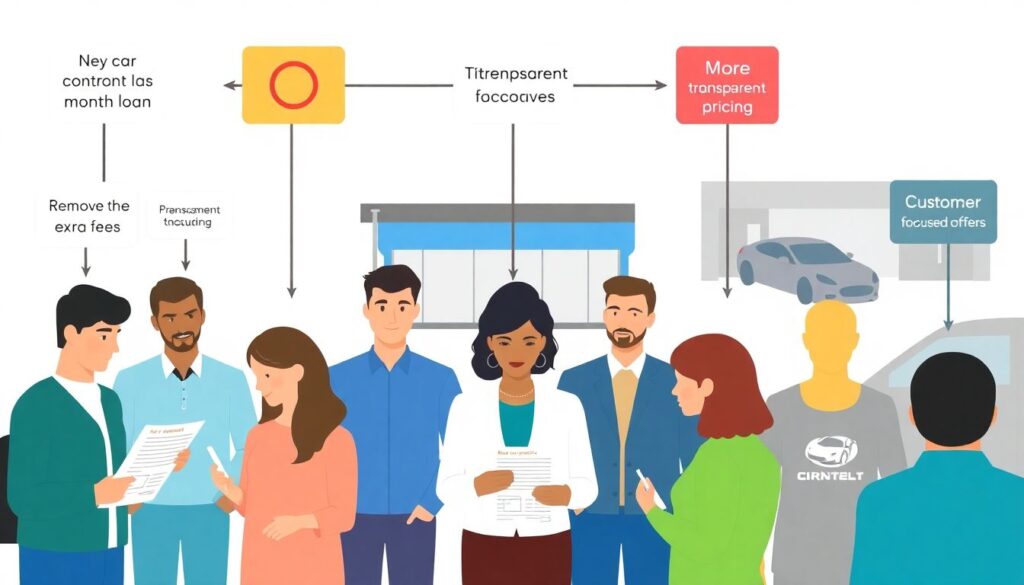
Individual budgeting decisions might seem too small to influence the auto industry, but taken together, they shape demand, pricing strategies and product planning. When more buyers refuse overlong loan terms or overpriced add‑ons, manufacturers and dealers feel pressure to offer more transparent pricing and better value. Conversely, when consumers focus only on monthly payments and accept any structure that fits this narrow metric, it encourages a system where cars become more like long‑term financial traps than tools for mobility.
In recent years, we’ve seen how changes in consumer behavior ripple through the market. Increased interest in fuel efficiency and total ownership costs has pushed automakers to compete on mileage, reliability and warranty coverage. Growing awareness of debt burdens and interest rates has made some buyers more cautious about financing, leading banks to refine their offers and risk models. Your decision to prioritize affordability and sustainability over prestige doesn’t just help your wallet; it adds a small vote for a healthier, more balanced car market overall.
Putting it all together: a simple roadmap
If all this sounds like a lot, it helps to reduce the process to a clear sequence. Think of budgeting for a new car as a project with stages rather than a single, overwhelming decision made on a Saturday afternoon under showroom lights. By breaking it down, you avoid most beginner mistakes almost automatically.
A straightforward path might look like this:
– Define your maximum all‑in monthly car budget using income‑based rules and realistic cost estimates.
– Use a new car affordability calculator with conservative assumptions to translate that monthly limit into a safe price range.
– Set a target down payment and create an automatic saving plan to reach it on a clear timeline.
– Shop for financing before going to the dealership, compare multiple offers, and avoid excessively long loan terms.
In the end, the right car isn’t just one you like driving; it’s one that fits into your life without squeezing everything else out. When you understand how to budget for a new car, you turn a potentially risky purchase into a controlled, even empowering decision. You’re not just buying transportation; you’re designing a financial commitment you can comfortably carry for years, regardless of how the economy or your circumstances change.
Комментарии