
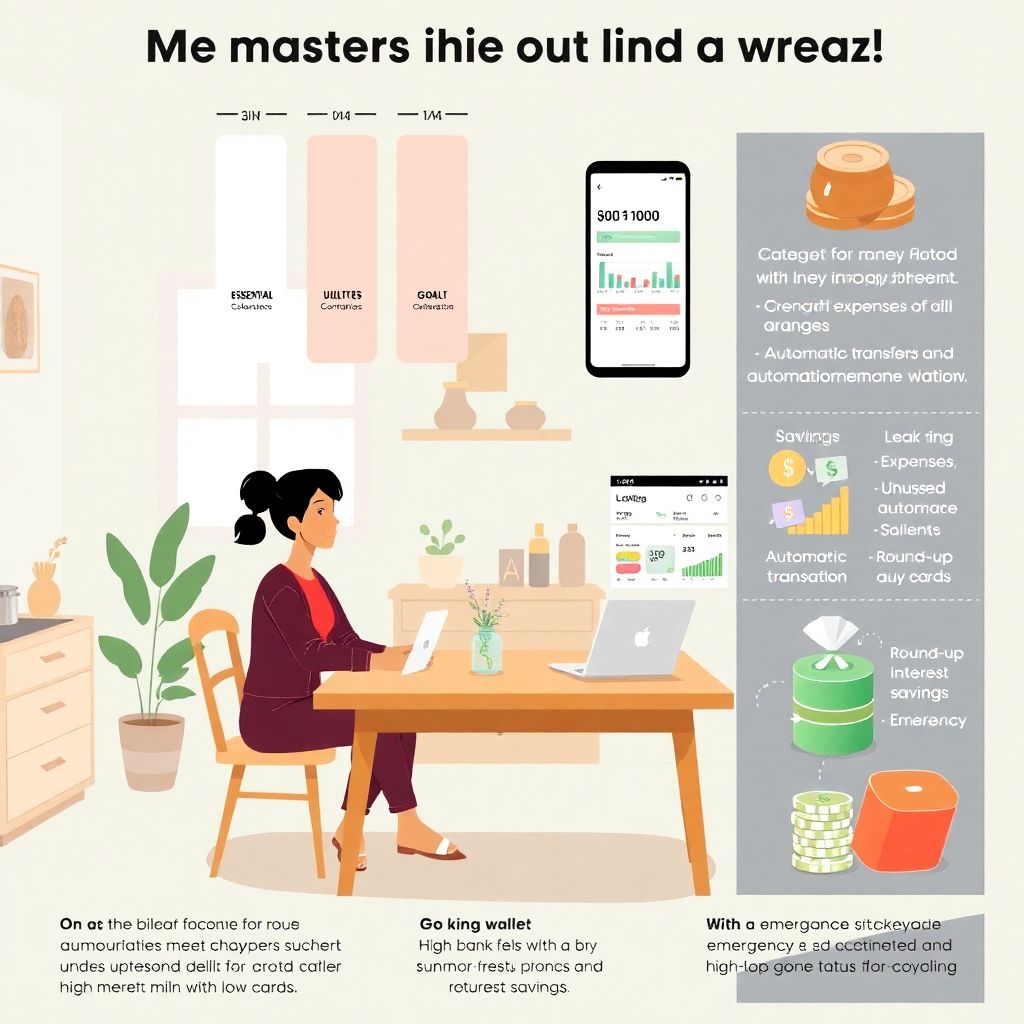
Mastering money on a small paycheck looks impossible only until you start measuring things. In the OECD countries, the bottom 20% of households still save close to 0% of income on average, yet families who do manage to save even 5% of a low wage build several months of expenses within five years. The difference is rarely about willpower; it’s about systems. When you focus on a few essential personal finance tips for low income earners—tracking cashflow, prioritising high‑impact decisions, and automating what can be automated—you turn money management from a stress reaction into a repeatable process that works even when income is unstable or seasonal, which is increasingly common in the gig economy.
Where beginners usually go wrong
Newbies often chase tiny savings and ignore big leaks. They haggle over coffee while staying in overpriced rentals, keeping old debt, or funding lifestyle on buy‑now‑pay‑later services. Another frequent mistake is budgeting on hope: planning around “ideal” income instead of average, or counting on overtime that isn’t guaranteed. Many people also never check bank and subscription fees, silently losing a meaningful slice of already low earnings every single month.
How to budget money on a low income without burning out
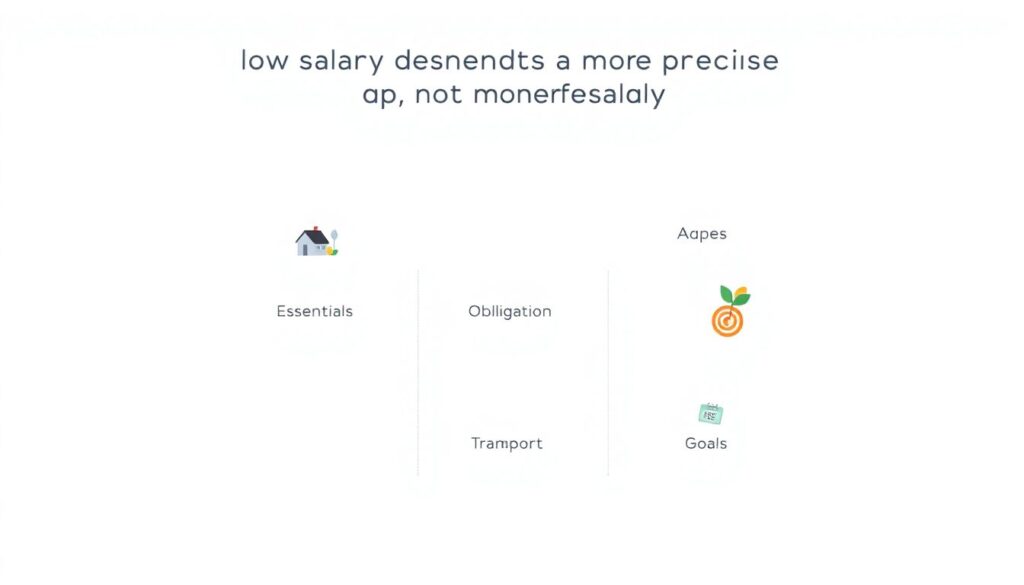
A low salary demands a more precise map, not more suffering. The most effective way to learn how to budget money on a low income is to build a minimalist, three‑line plan: essentials, obligations, and goals. Essentials cover housing, food, utilities, and transport; obligations include debt payments and any contracts you can’t cancel right now; goals are savings, education, and small pleasures. Data from the U.S. Consumer Expenditure Survey shows housing alone can swallow 35–40% of income for low earners, so optimising rent or shared housing usually moves the needle far more than cutting groceries. Beginners often skip this analysis and rely on guesswork, which is why their budgets collapse by mid‑month.
Apps, automation and the rise of “micro‑planning”

A common myth is that tech is only for people with money. In reality, the best budgeting apps for low income families are deliberately built around irregular income, cash envelopes, and frequent small transactions. These tools use categories, alerts, and automatic rounding to savings, turning every payment into a tiny planning decision. The fintech industry is racing to capture this segment: consulting firms forecast double‑digit annual growth in budgeting and savings apps aimed specifically at underserved users over the next decade. If you ignore these tools and rely on memory or notebooks alone, you’re competing against algorithms that your bank and retailers already use to encourage spending.
Debt payoff strategies for low income households
Another rookie error is treating all debt the same. When income is tight, interest rate is your fire alarm. Effective debt payoff strategies for low income households start with ranking every loan by cost, then attacking the highest rate while paying minimums on the rest. That’s the “avalanche” method, and it mathematically frees up cash faster than scattering extra payments randomly. Yet people still chase the emotional win of clearing the smallest balance first, even if it’s cheap debt. In an environment where average credit‑card APRs in some countries exceed 20%, mis‑prioritising debt can delay financial stability by years, especially when wages barely beat inflation.
How to save money fast on a low income
Speedy savings on a small paycheck come from sequence, not heroism. The logic behind how to save money fast on a low income is to front‑load the highest‑impact moves: renegotiate housing, insurance, and phone plans; cut unused subscriptions; and redirect that freed cash into an automatic transfer the day income arrives. Governments and central banks report that even modest emergency funds reduce reliance on high‑cost credit during shocks, which in turn lowers default risk across the banking system. Skipping an emergency fund is a classic beginner mistake; without it, every broken appliance or medical bill becomes new debt, erasing months of “good behaviour” in one hit.
Economic context: why low‑income planning matters more now
In many developed economies, wages at the bottom have grown slower than housing and healthcare costs over the past decade. That gap makes personal planning a macroeconomic issue. When millions of low‑income households live paycheque to paycheque, consumer demand becomes more volatile, and small downturns trigger outsized spikes in late payments and defaults. Learning robust money skills at the household level stabilises not just individual lives, but also local economies that depend on predictable spending. From an analytical standpoint, basic budgeting education works like a decentralised shock absorber in systems where social safety nets are thin or politically contested.
Impact on the financial industry and future trends
As more people seek realistic personal finance guidance, institutions are adapting. Banks, credit unions, and neobanks are rolling out low‑fee accounts, early‑paycheck features, and built‑in coaching aimed explicitly at low earners. This isn’t pure charity; it’s risk management. Better‑informed clients default less and use products more sustainably. Analysts expect that over the next 5–10 years, competition for low‑income customers will push down average fees and expand access to micro‑investing and fractional shares. If you’re just starting and ignore these evolving options, you may lock yourself into older, more expensive products that silently tax every transaction.
Pulling it together without chasing perfection
Mastering personal finance on a low income doesn’t mean never making mistakes; it means making cheaper mistakes and correcting them faster. Track where money actually goes, build a simple budget anchored in reality, automate key moves, and use tech and market changes in your favour instead of against you. The common beginner errors—guessing instead of measuring, treating all debt equally, skipping an emergency buffer, and ignoring new low‑cost tools—are fixable. Once you address them, you’re no longer just surviving between paydays; you’re quietly building options, even when your income still looks modest on paper.