

Why Budgeting Matters More Than Motivation
Want a home gym but scared it’s going to eat your entire paycheck? You’re not alone. Most people overestimate how much денег им нужно и недооценивают, насколько важен план. The truth: a smart budget does more for your progress than shiny gear. You can absolutely build a home gym on a budget if you treat it like a small project, not a spontaneous shopping spree. Think in stages, not “buy everything this weekend”. Your goal is to create a space that you’ll actually use for years, not a pile of dusty equipment that makes you feel guilty every time you walk past it.
Common Budgeting Mistakes Beginners Keep Making
1. Buying Everything at Once

One of the biggest rookie mistakes is trying to assemble the “perfect” setup immediately. People jump online, type “best budget home gym setup”, watch three comparison videos and then blow their whole budget in one month. The problem is you don’t yet know what type of training you’ll stick with. Instead of committing to a full rack, bench, cable machine and rower, build in layers: start with essentials, test your habits for 2–3 months, note what you actually miss, and only then upgrade. This approach protects your wallet and avoids buyer’s remorse.
2. Confusing “Cheap” with “Good Value”
Another classic error: buying the absolute cheapest option for every item. Sure, you can find extremely cheap home gym equipment, but low-quality plates that crack, resistance bands that snap, or a slippery yoga mat can be unsafe and annoying. A better rule: save hard on things that don’t bear much load (storage, accessories) and invest a bit more into safety-critical gear like a barbell, rack, and flooring. Value isn’t about minimum price; it’s about how long it lasts per dollar spent.
3. Ignoring Floor and Space Planning
Most beginners fixate on the big toys and forget the basics: flooring, ceiling height, and free movement space. Then they realize the barbell hits the ceiling on overhead presses, or the treadmill barely fits between a door and a radiator. Budget problems show up here too: replacing damaged flooring or repairs from dropped weights is far more expensive than buying proper mats in the first place. Always measure your room, doors, and clearance before you buy anything heavy or bulky.
4. Overpaying for Smart Tech You Don’t Use
High-tech mirrors, smart bikes, and AI-driven platforms look exciting, but they also inflate your costs through monthly subscriptions. A lot of beginners grab them in a burst of enthusiasm and then stop using the advanced features after a few weeks. If you’re new, start with basic gear plus a free or cheap app. Once you’ve trained consistently for at least 3–6 months, then consider whether premium tech would genuinely improve your consistency or technique.
Comparing Three Main Budget Approaches
Approach 1: Minimalist Starter Setup
The minimalist route is perfect if your budget is tight or you’re just testing if home workouts are your thing. Here the focus is bodyweight exercises plus a few pieces of budget home workout equipment that dramatically multiply your options. Think: a set of resistance bands, a pair of adjustable dumbbells, a pull-up bar for the doorway, maybe a foldable bench. With these you can cover almost every major muscle group. Pros: very low cost, tiny footprint, easy to store and move, minimal risk of big financial mistakes. Cons: heavy barbell work, powerlifting, and advanced strength programming are harder to replicate.
Approach 2: Progressive Strength-Focused Build
If you already love strength training, a more structured investment plan makes sense. Start with a decent barbell, plates, and safety solution (rack with spotter arms or at least solid stands). Then add a bench and some basic cable or pulley solution later. This style prioritizes long-term gains over initial flexibility. It’s usually the best budget home gym setup for people who know they enjoy squats, presses, and deadlifts. Pros: high ceiling for progress, gym-like training at home, durable gear. Cons: requires more space, higher up‑front cost, and you must budget for proper flooring and safety features.
Approach 3: Hybrid Tech + Traditional Gear
The hybrid approach mixes classic equipment with modern technology: a smart bike or rower, a set of dumbbells, plus an app or streaming subscription for coaching. This is handy if you get bored easily or love guided sessions. From a budgeting perspective, you’re trading a moderate hardware cost plus recurring monthly fees for extra motivation and structure. Pros: high variety, good for cardio and general fitness, helpful for beginners needing guidance. Cons: subscriptions stack up quickly; if you stop using them regularly, your long‑term cost per workout becomes absurdly high compared to simpler gear.
Tech in Home Gyms: Pros and Cons in 2025
Smart Equipment and Connected Platforms
In 2025, smart home equipment is everywhere: connected bikes, rowers with form feedback, racks with rep counters, even plates with built‑in tracking. For people who love data, this can be incredibly motivating. You get instant feedback, leaderboards, and structured programs without hiring a coach. On the flip side, these systems often lock you into an ecosystem. Need replacement parts or want to add accessories? You might be stuck with one brand. Also, if the company shuts down or hikes subscription prices, your impressive device turns into a fancy, expensive “dumb” machine.
Workout Apps, VR and AI Coaches
Apps and streaming services remain the most cost‑effective technology for a home gym on a budget. A single subscription can give you hundreds of programs for strength, mobility, conditioning, and yoga. Newer trends include VR fitness and AI form feedback through your phone’s camera. Advantages: high variety, flexibility, structured progression, and often community support. Downsides: screen fatigue, dependence on internet connection, and sometimes overly generic programs. The smartest use of tech is to let it plan and track, while you still learn basic training principles so you’re not helpless without the app.
Low-Tech Still Wins on Durability
Despite all the innovation, simple iron and steel remain unbeaten for long-term value. A solid barbell, plates, a rack, and stable flooring can outlive most gadgets and survive trends. Technology should support, not replace, foundational tools. When budgeting, prioritize gear that doesn’t become obsolete: adjustable dumbbells, a sturdy bench, and good mats will still be relevant ten years from now, regardless of new app releases or smart devices on the market.
How to Build a Budget Step by Step
Set Your Ceiling, Then Work Backwards
Before opening any shopping site, fix a hard number you’re comfortable spending over the next 6–12 months. Treat this as a project budget, not a single shopping trip. Decide what percentage goes into must‑haves (flooring, primary resistance tools, safety) and what part is reserved for “nice to have” extras (mirrors, storage, decor). When you know your ceiling, you naturally start comparing value instead of reacting to flash sales and influencer recommendations.
Rank Your Training Priorities
Your budget should mirror your actual goals, not someone else’s ideal gym. If you mainly want fat loss and better health markers, invest more in cardio and consistency tools (for example, a reliable rower plus a coaching app). If you’re chasing strength and muscle, shift the budget toward free weights and a rack instead of a huge treadmill. Creating a short list of priorities like “1) strength, 2) mobility, 3) conditioning” helps you say no to random gadgets that don’t serve your plan.
Use the “Three-Phase Purchase” Method
To avoid mistakes, buy in three phases:
1. Phase 1 – Core essentials: flooring, at least one resistance tool (bands or dumbbells), and a basic app or free program. Test your consistency for 8–12 weeks.
2. Phase 2 – Targeted upgrades: after you’ve tracked your workouts, add the items you wished you had most often (bench, pull‑up bar, more weight plates).
3. Phase 3 – Quality of life and tech: once training is a habit, consider tech upgrades (wearables, smart gear) and comfort items like better lighting or a sound system.
This staggered plan ensures every purchase solves a problem you’ve actually encountered, not a problem you imagine you might have.
Smart Ways to Save Without Sabotaging Quality
Buy Used Strategically
The second‑hand market can be a goldmine if you know what to look for. Heavy, simple objects like cast iron plates, racks, and benches are great candidates for buying used; they’re hard to “wear out” unless abused. On the other hand, think twice before buying used cardio machines or complex smart devices, as repair costs can destroy your savings. Always test moving parts, check for rust on load-bearing areas, and factor in transport costs when deciding if the deal is truly worth it.
Choose Multi-Use Over Single-Purpose Gear
When working with limited funds, prioritize versatile tools. Adjustable dumbbells trump multiple fixed pairs, gymnastics rings can replace a bulky lat pulldown for many movements, and a solid box or step can serve for box squats, step‑ups, and incline presses. These affordable home gym ideas keep your training flexible while keeping your gear list short. Every time you consider a purchase, ask, “How many different exercises can this unlock for me?” The more answers you have, the better the investment.
DIY Solutions Where It Makes Sense
Some pieces of equipment are genuinely safe and easy to DIY: plyo boxes, simple wooden dumbbell racks, or wall-mounted hooks for bands. Others, like power racks or squat stands, need proper engineering and materials to be safe. If you enjoy DIY, focus on storage, organization, and visual elements first. Good organization makes even cheap home gym equipment feel like a professional space, and it doesn’t carry the same safety risks as homemade load‑bearing structures.
2025 Trends That Actually Matter for Your Budget
Trend 1: Modular and Foldable Gear
In 2025, more brands are offering gear that folds or tucks away: wall-mounted racks, collapsible benches, and compact cardio machines. For small apartments this can be a game changer, since you no longer need a dedicated room. Modular systems let you start with a very basic frame and add attachments later, spreading your spending across the year. When budgeting, it’s worth paying attention to systems that can grow with you instead of buying separate standalone machines that each demand their own space.
Trend 2: Subscription Bundles and Ecosystems
More companies now bundle equipment with long-term subscriptions: “free” or discounted machines in exchange for 1–3 years of monthly fees. This can sound appealing if cash flow is tight, but you should always calculate the total cost of ownership. Over a few years, you might spend far more than buying mid-range hardware upfront and using a cheaper app. Read cancellation policies carefully and ask yourself if you’ll still enjoy that style of training in two years before committing.
Trend 3: Data-Driven, Personalized Programming
Wearables and AI are making personalized plans more accessible. Instead of guessing your training load, apps can now estimate your recovery level and suggest workouts accordingly. From a budgeting perspective, this can let you skip expensive one-on-one coaching when you’re just starting. However, it’s still wise to invest a bit of time into learning basic exercise form and principles; no algorithm can fully compensate for poor technique or ignoring pain signals. Use tech as a guide, not a substitute for self-awareness.
Putting It All Together Without Going Broke
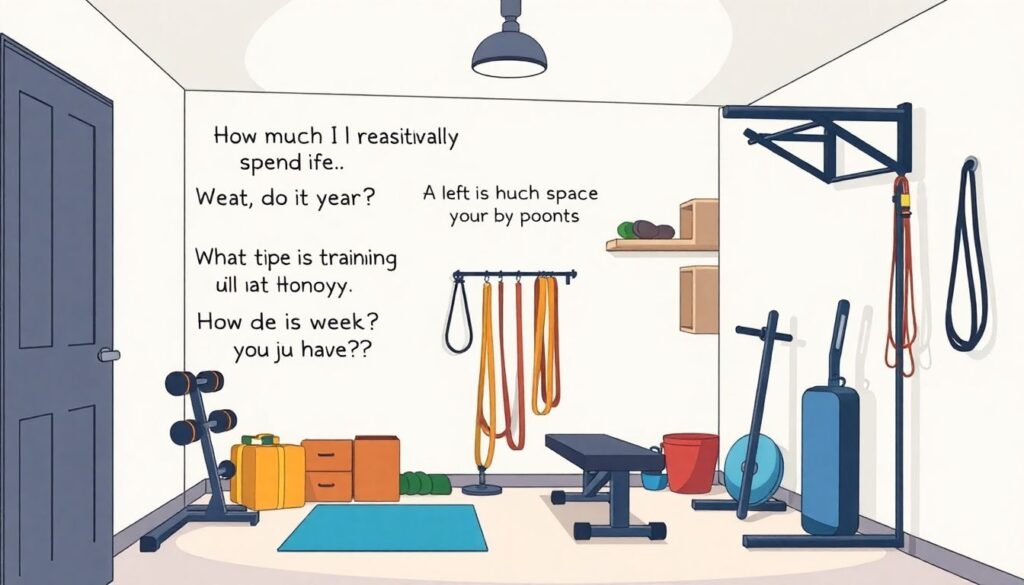
If you want the best budget home gym setup for your situation, start with three questions: How much can I realistically spend this year? What type of training will I actually enjoy three times a week? How much space do I truly have? From there, you can choose between a minimalist starter kit, a strength‑focused build, or a hybrid tech approach, always layering purchases in phases instead of in one impulsive cart.
Remember, the goal is not to collect the most equipment, but to build a consistent habit in a space that feels inviting. A small corner with a few pieces of well‑chosen budget home workout equipment, programmed workouts you understand, and a realistic spending plan will outperform any flashy room full of gear you never touch. Plan first, buy slowly, and let your actual training—not marketing—decide what you add next.