
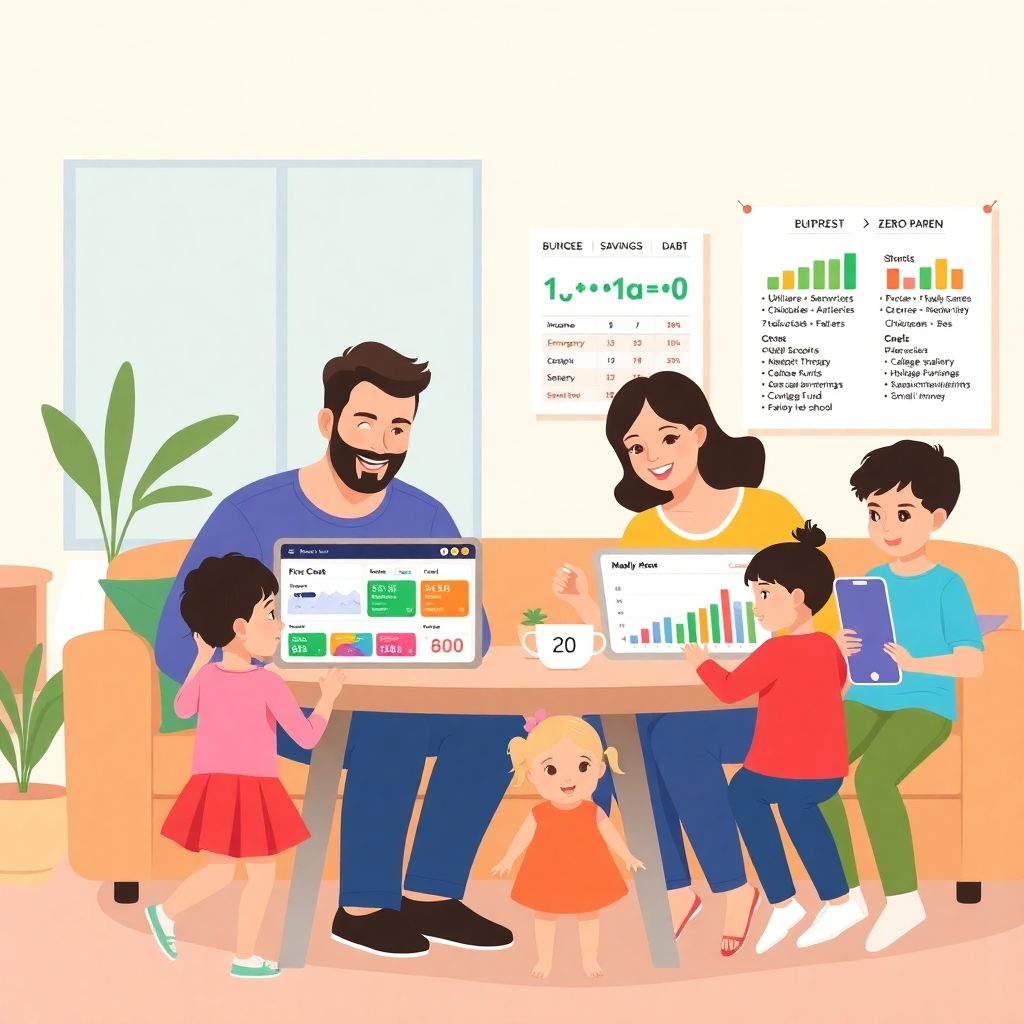
Why Zero‑Based Budgeting Works So Well for Busy Parents
Zero‑based budgeting sounds intimidating, but it’s basically this: every dollar of your monthly income gets a specific job before the month starts. Nothing is left “unassigned”; even your fun money and kids’ activities are intentional line items.
For parents juggling school runs, extra classes and late‑night emails, this method cuts through financial noise. Instead of “I hope there’s enough left”, you know exactly where the money should go — and what has to change if it doesn’t fit.
—
Core Idea: What Zero‑Based Budgeting Actually Is
Simple definition in parent‑friendly terms
In a zero‑based budget, the equation is:
> Income – Planned Expenses – Savings – Debt Payments = 0
You’re not aiming for zero in your bank account; you’re aiming for zero in your plan. Every unit of income is allocated to:
– Fixed costs (rent, childcare, transport)
– Variable spending (groceries, kids’ activities, fuel)
– Financial goals (emergency fund, college, mortgage prepayment)
– Discretionary fun (takeout, gifts, hobbies)
Experts call this intentional cash flow management. You stop reacting to your bank balance and start operating from a predefined model.
—
Zero‑Based Budgeting vs Other Popular Approaches
Envelope method vs zero‑based
The classic envelope method uses physical or digital envelopes with spending caps. It’s tactile and simple, but for many working parents, it’s logistically messy.
How it compares:
– Envelope method focuses on spending limits by category
– Zero‑based budgeting focuses on total allocation of income
For a dual‑income family with multiple cards and subscriptions, envelopes alone often become just another “thing to maintain”. Zero‑based budgeting for families can integrate envelope logic (caps per category) but keeps the full overview in one structured plan.
50/30/20 rule vs zero‑based
The 50/30/20 rule says:
50% needs, 30% wants, 20% savings/debt.
It’s quick and good as a high‑level benchmark, but:
– It doesn’t adapt well to high childcare costs or single‑income households
– It’s too coarse for irregular incomes (bonuses, freelance, shift work)
Zero‑based budgeting is more granular. It lets parents allocate extra to childcare, therapy, or special‑needs support without feeling like they’re “breaking the rules” of a fixed ratio.
Why zero‑based is often the best budget system for busy parents
Certified Financial Planners tend to recommend zero‑based models for families because:
– They expose trade‑offs clearly (“Sports club or faster debt payoff?”)
– They integrate short‑term chaos (field trips, birthday parties) with long‑term goals (college, retirement)
– They work well with automation and tools, reducing manual effort over time
—
Step‑by‑Step: How to Start Zero‑Based Budget as a Busy Parent
Step 1: Map your true monthly income
Include:
– Salaries after tax
– Child benefits and stipends
– Side‑hustle or freelance income (use a conservative average)
– Regular support payments
If your income is irregular, experts suggest using a baseline income (the amount you’re 90% sure you’ll receive) and treating extra pay as a separate “bonus allocation” once it arrives.
Step 2: List fixed obligations first
These are high‑priority, non‑negotiable or hard‑to‑change items:
– Rent or mortgage
– Utilities and internet
– Minimum debt payments
– Childcare, school fees, transportation passes
– Essential insurance (health, life, disability)
Allocate these before anything else. This is your core cost structure; zero‑based budgeting forces you to confront its size honestly.
Step 3: Build categories around your real life, not an ideal life
Now add variable categories that reflect your actual habits:
– Groceries (separate from school lunches if that helps)
– Fuel or ride‑shares
– Kids’ activities, clubs, and lessons
– Medical and therapy co‑pays
– Home maintenance, pet care
– Eating out, delivery, coffee runs
Parents often underestimate “micro‑spending” around kids: birthday gifts, school photos, class fundraisers. Experts recommend a defined “Kids & School Extras” category so these costs don’t blow up your plan every month.
Step 4: Pay your future self
A zero‑based budget is incomplete until you assign money to future you:
– Emergency fund contributions
– Retirement accounts
– Sinking funds (known, irregular expenses) like:
– Car repairs
– Holidays
– Back‑to‑school shopping
– Annual insurance premiums
Behavioral economists note that sinking funds reduce decision fatigue. When the car service comes up, you don’t renegotiate the budget in panic mode — the money’s already parked in the right bucket.
Step 5: Create “guilt‑free” fun money
Parents burn out when the budget feels like a punishment. Include:
– Individual pocket money for each adult
– Small discretionary amount for each child (depending on age)
– A shared “Family Fun” line
This is not wasted money; it’s a compliance mechanism. Without some flexible spending, even the best zero‑based plan will be abandoned after a stressful week.
Step 6: Reconcile and adjust weekly — in 10–15 minutes
Zero‑based budgeting is not “set and forget”. But it also shouldn’t consume your weekend.
Experts recommend a short “money stand‑up” once a week:
– Check bank and card transactions
– Categorize and compare against your plan
– Decide micro‑adjustments (“We went over on takeout, let’s trim entertainment”)
Treat it like a brief team meeting. The goal is course correction, not perfection.
—
Digital Tools and Tech: Pros and Cons for Busy Parents
Why a budgeting app for parents can help (and when it doesn’t)
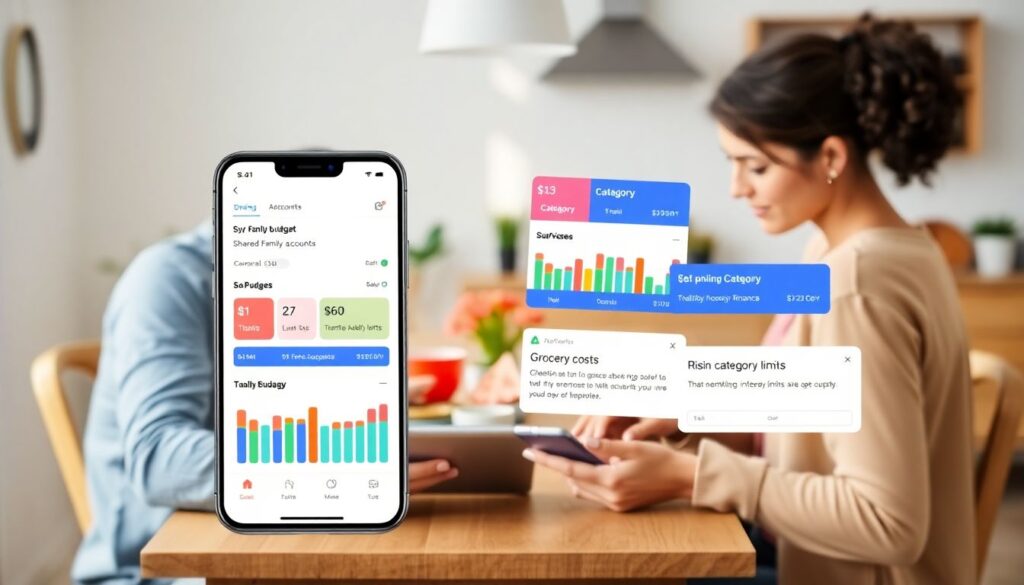
A well‑designed budgeting app for parents can:
– Sync transactions automatically from multiple accounts
– Share one budget between partners in real time
– Generate reports that show trends (e.g., rising grocery costs)
– Send alerts when you’re close to category limits
However, financial therapists warn about “false control”: if you never open the app and never review categories, automation becomes digital clutter instead of a budgeting system.
Pros and cons of popular tech patterns
Pros of using apps and cloud tools
– Real‑time data and notifications
– Easy collaboration between partners
– Historical analytics to support better decisions
– Faster setup for family budgeting planner zero based templates
Cons and risks
– Subscription fees that eat into savings if unused
– Learning curve and setup time
– Privacy concerns if data is shared with third parties
– Over‑complication (too many categories, rules, and “features”)
Some experts still advocate for a hybrid model: a simple spreadsheet + light app for transaction sync, especially for parents who like visual control but have little time to type.
—
Paper, Spreadsheet, or App: How to Choose the Right System
Three main implementation models
1. Paper planner
2. Spreadsheet (Excel, Google Sheets)
3. Dedicated budgeting apps
Each can support zero‑based budgeting for families; the right choice depends on your cognitive style and schedule.
Quick selection guide
Choose a paper planner if you:
– Think better with pen and paper
– Want a physical reminder on your desk or kitchen counter
– Prefer low tech and high focus
Choose a spreadsheet if you:
– Want transparency and full customization
– Have some comfort with formulas or are willing to learn basics
– Like exporting and backing up your data manually
Choose a budgeting app if you:
– Need automatic transaction import
– Have multiple accounts and cards
– Want both partners to have instant access on their phones
Experts often suggest starting with something slightly simpler than you think you need, then adding complexity only if a clear problem appears (e.g., you can’t see trends, or reconciling takes too long).
—
Time‑Saving Hacks Specifically for Busy Parents
Build a “minimal viable budget” first
You don’t need a perfect blueprint on day one. Create a minimal viable budget with just:
– Income
– 6–8 major expense categories
– Savings/debt lines
Run that for one month, then iterate. This agile approach mirrors how product teams build software: launch, observe, refine.
Automate what you can, but not everything
Automation works best for:
– Fixed bills (scheduled payments)
– Regular savings transfers (pay yourself first)
– Long‑term goals (automatic retirement contributions)
Where experts advise not to fully automate:
– Variable family spending (groceries, eating out, subscriptions)
– Cash for kids and allowances (where some friction is educational)
The objective is semi‑automation: your system runs on rails, but you still make conscious trade‑offs weekly.
—
Expert Tips to Make Zero‑Based Budgeting Stick
From financial planners and money coaches
Professionals who coach parents on money management repeatedly highlight a few principles:
– Budget per pay period, not just per calendar month
If you’re paid biweekly, build a zero‑based plan for each paycheck. This aligns cash flow with reality.
– Limit category explosion
More than 20–25 categories usually increases cognitive load without adding insight. Group micro‑items into broader buckets.
– Pre‑decide responses to common surprises
For example:
– Medical bill? Pull from “Healthcare” and, if needed, “General Savings”.
– School trip? Move from “Family Fun” and “Kids Extras”.
This prevents emotional, on‑the‑spot decisions.
– Run quarterly “family finance retrospectives”
Once every three months, look at:
– Which categories you consistently overshoot
– Which goals are underfunded
– What habits are driving the numbers
Adjust the structure, not just the amounts.
Emotional and relational side
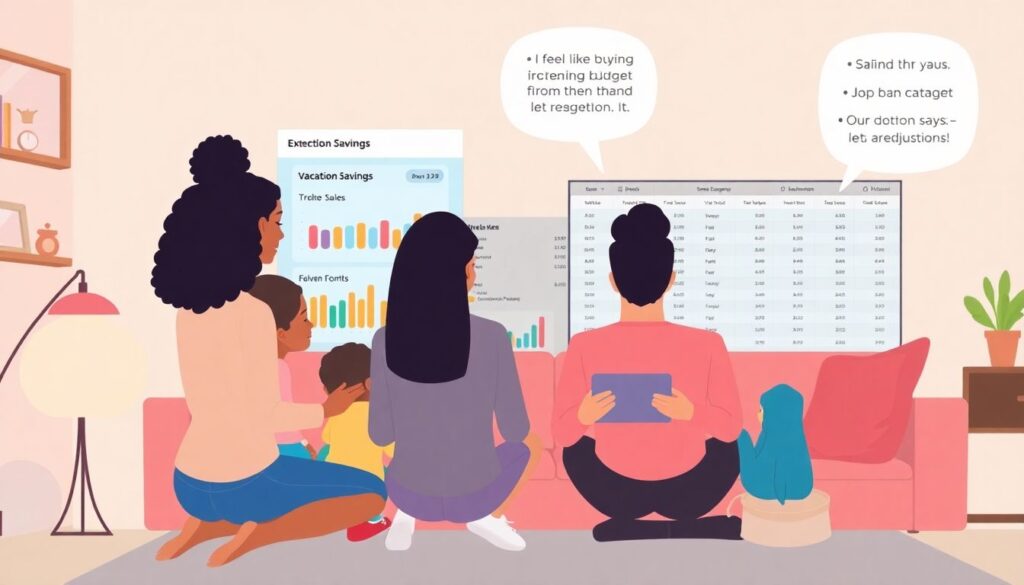
Zero‑based budgeting is not just arithmetic; it changes family dynamics:
– Children see explicit priorities (“We’re saving for vacation, so less random toy buying.”)
– Partners share a common financial dashboard, reducing hidden resentment
– Decisions move from “I feel like…” to “Our plan says… shall we update it together?”
Financial therapists often view a clear budget as a communication protocol more than a ledger.
—
Trends and Innovations in Family Budgeting for 2025
What’s changing right now
Several 2025 trends are reshaping how parents implement zero‑based budgets:
– AI‑assisted categorization and forecasting
Tools increasingly predict your upcoming expenses (e.g., school events, seasonal spikes) based on historical patterns and local data.
– Goal‑centric interfaces
Instead of just lists of categories, more apps show progress bars for goals: emergency fund, travel, kids’ education. This aligns with how the human brain responds to visual progress.
– Shared budgets with child accounts
Teens get limited‑permission views or prepaid cards linked to the family plan, learning zero‑based thinking in a low‑risk environment.
– Subscription diagnostics
Services now specialize in scanning your accounts for unused subscriptions and suggesting cuts — a common leak in family budgets.
Experts predict a move from “tracking what happened” to “real‑time decision support”: your system will increasingly prompt, “If you order takeout now, you’ll need to cut X later — still worth it?”
—
Building Your Own Family Budgeting Planner (Zero‑Based Style)
Putting it all together in a simple workflow
Here’s a practical blueprint you can adapt:
– Define monthly (or per‑paycheck) income
– Allocate fixed obligations first
– Add realistic variable categories reflecting your actual life
– Reserve amounts for savings, debt payoff, and sinking funds
– Leave some planned room for fun and flexibility
– Use either a spreadsheet, paper planner, or an app to track against the plan
– Review weekly, adjust categories transparently, and update allocations next month
This is effectively your family budgeting planner zero based system. Over a few cycles, it becomes less like a “budget” and more like your household operating manual.
—
Final Thoughts: Start Small, but Start Deliberately
Zero‑based budgeting for families doesn’t demand perfection, it demands intentionality. Your first version will be rough. That’s fine.
If you’re wondering how to start zero based budget without overwhelming yourself:
– Pick one tool (paper, sheet, or app)
– Plan just the next pay period down to zero
– Hold a 15‑minute check‑in with your partner (or with yourself) once a week
– Refine categories only after you’ve seen real‑world data
With a few cycles, the numbers stop being a source of anxiety and become a dashboard for decisions. Amid school emails, work deadlines, and endless laundry, that kind of clarity is one of the most practical gifts you can give your future self — and your kids.