
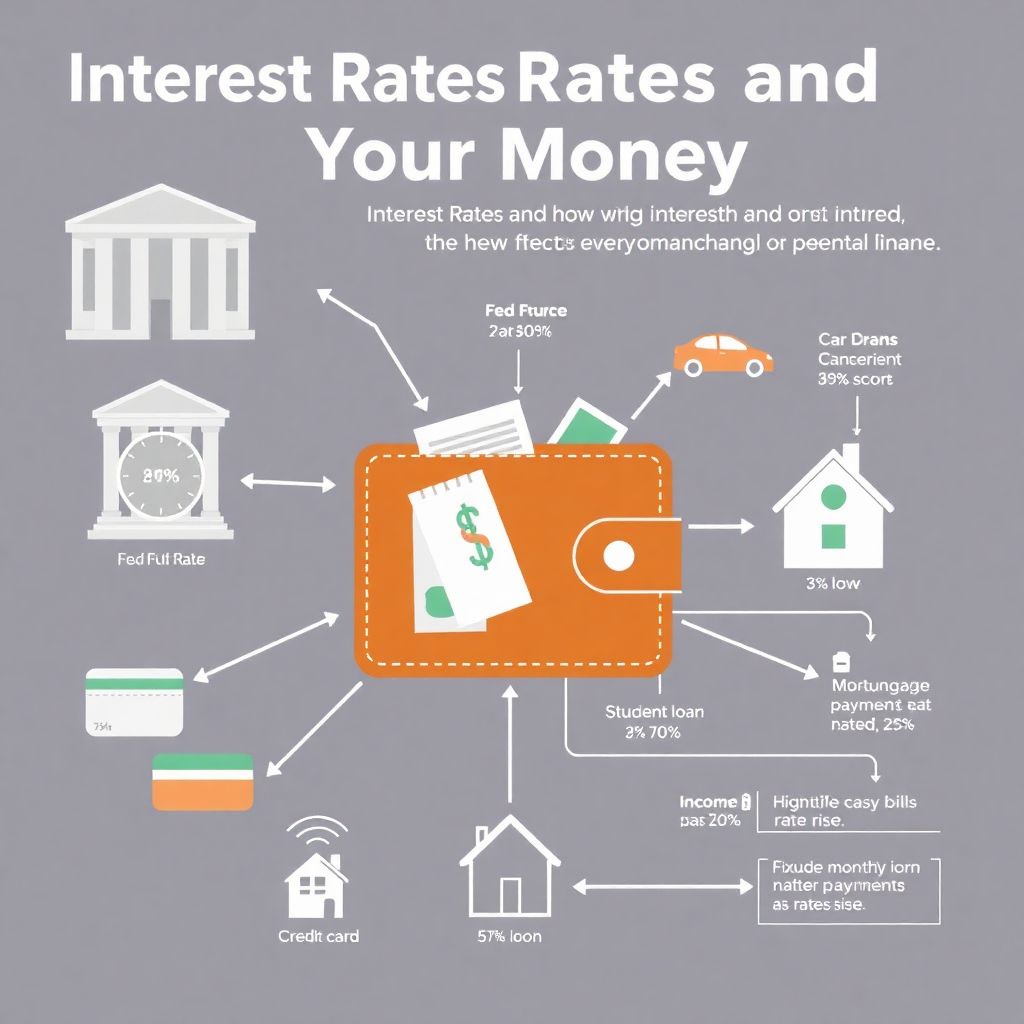
The headlines shout “rate hike” or “rate cut”, but what does that actually mean for your daily budget, your rent, or your savings account? Let’s unpack the latest interest rate news today in plain English and connect it directly to your wallet, not to abstract charts from economists.
—
What an Interest Rate Really Is (Without Jargon)
At its core, an interest rate is just the price of money. If you borrow, it’s the fee you pay for using someone else’s cash. If you save, it’s the reward a bank gives you for letting it hold and use your money.
Think of it like this:
`Today’s money →[interest rate]→ Tomorrow’s money (more or less of it)`
Change the rate, and you change how expensive debts feel and how rewarding savings become.
—
How the Fed Fits Into the Picture
The latest federal reserve interest rate decision is about one specific rate: the federal funds rate. That’s the short-term rate banks charge each other for overnight loans. Sounds distant, but it acts like the “master dial” for many other rates in the economy.
Very simplified diagram:
`Fed funds rate ↑ → Banks’ costs ↑ → Loan & credit card rates ↑`
`Fed funds rate ↓ → Banks’ costs ↓ → Loan & credit card rates ↓`
So when you see breaking headlines about the Fed, read them as “borrowing and saving are about to get pricier or cheaper.”
—
Types of Rates You Actually Feel
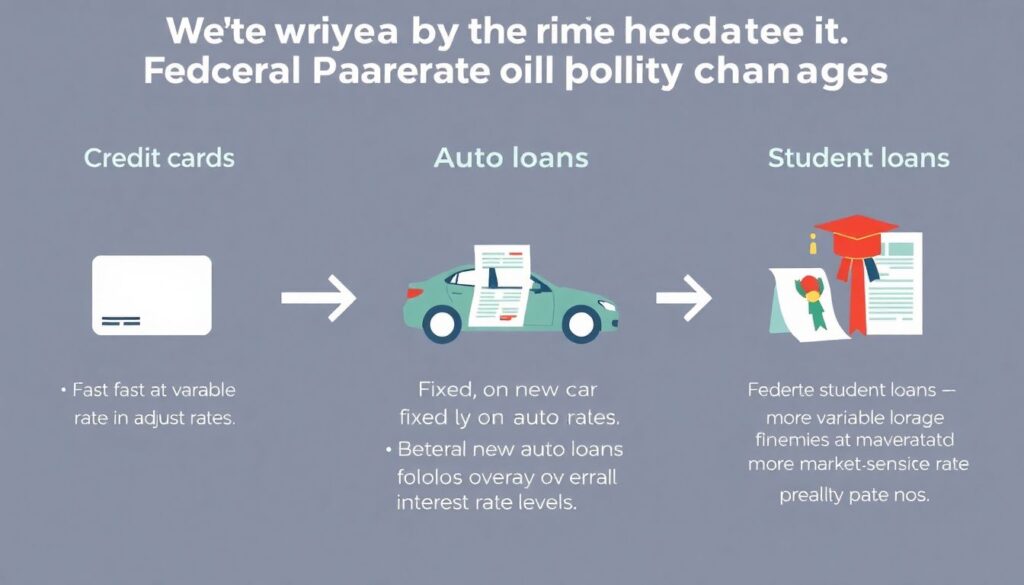
Different loans react differently to policy moves, and it’s worth comparing:
– Credit cards – Usually have variable rates that move faster when the Fed acts.
– Auto loans – Often fixed, but new loans track overall rate levels.
– Student loans – Federal ones are fixed by year; private ones move more with markets.
– Mortgages – Mixed bag: fixed rates move with longer-term bond yields, not just the Fed.
In other words, your card can get more expensive in weeks, while your old fixed mortgage may not budge at all.
—
Mortgages: The Big Line Item in Your Budget
For many households, the biggest impact comes from current mortgage interest rates. Even a change of 0.5% can move a payment by hundreds of dollars a month on a large loan.
Imagine this text-only chart of your monthly payment on the same house price:
`Rate 3% → ███`
`Rate 5% → ██████`
`Rate 7% → █████████`
Same house, same salary, but the staircase of monthly payments gets steeper as rates climb. That’s why rate headlines matter so much to homebuyers and refinancers.
—
How Interest Moves Hit Everyday Life
Let’s connect how interest rate changes affect personal finances in real terms. When rates climb:
1. New debt costs more. Car loans, personal loans, and variable-rate cards get pricier.
2. Existing variable debt adjusts. If your rate floats, your monthly bill can creep up.
3. Savings accounts may pay more. Banks sometimes boost deposit rates, especially online banks.
Text diagram of your monthly cash flow when rates rise:
`Income → [Fixed bills] + [Higher debt payments] → Less leftover for fun/saving`
—
Practical Moves When Rates Rise
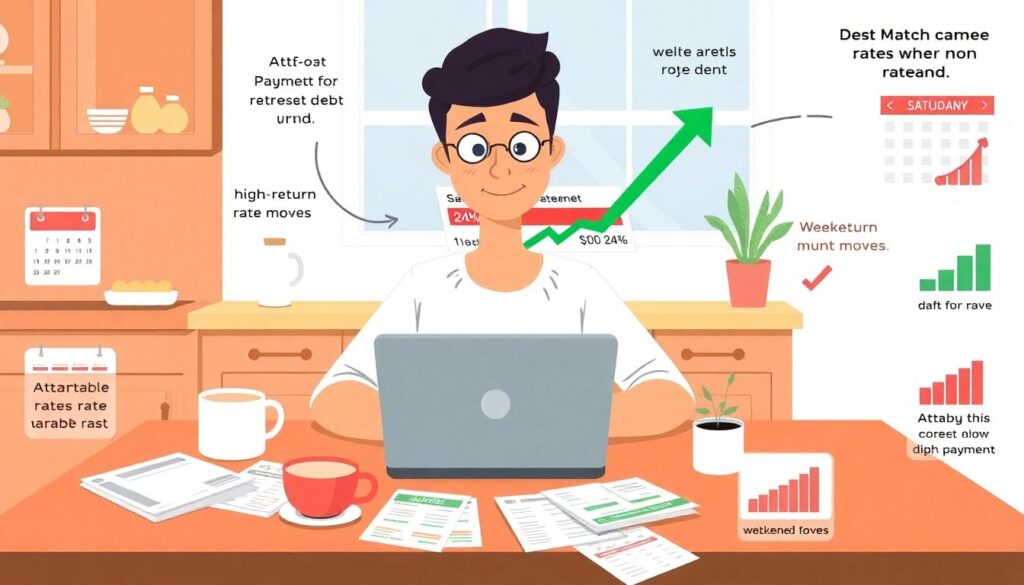
Here are some of the best ways to save money when interest rates rise, focusing on actions you can take in a weekend, not a semester of finance classes:
1. Attack variable-rate debt first. If your card rate is 24% and rising, every extra payment is a guaranteed high-return “investment.”
2. Consider fixing what you can. Switching from variable to fixed where possible can protect your budget from further hikes.
3. Shop savings accounts. A boring move, but shifting cash from a 0.1% account to a 4% one is real money over a year.
These steps help you benefit from the higher side of rates while softening the painful side.
—
When Lower Rates Are Actually Good News
On the flip side, a cut in rates can feel like a coupon for your future self. Your bank might not lower your credit card APR overnight, but new loans and refinancing options can become more attractive.
Example: if you took a car loan last year at a high rate and now see cheaper offers, refinancing could shrink your monthly payment and interest over the life of the loan. Just weigh fees and terms; “lower rate” doesn’t always mean “better total deal” if the new loan stretches the term wildly.
—
A Simple Priority Checklist for Your Wallet
Use this quick numbered roadmap whenever a big rate story breaks:
1. Check your debts. List which loans are fixed and which are variable, plus their interest rates.
2. Rank by cost. Highest rate and variable debts go to the top of your payoff plan.
3. Review your mortgage. Compare current mortgage interest rates to your own. If the gap is big and in your favor, investigate refinancing.
4. Audit your savings. If your emergency fund earns near zero, it’s time to move it.
5. Adjust your budget. If payments are rising, trim flexible spending before you feel squeezed.
—
Thinking in “Rate Scenarios” Instead of Headlines
Instead of reacting to every alert about interest rate news today, build three mental scenarios:
– Rates go up more. You’re glad you fixed big loans and killed credit card debt.
– Rates stay flat. Your plan still works; no frantic changes needed.
– Rates go down. You revisit refinancing and maybe accept a bit more “good” debt for big, long-term goals (like education or a well-thought-through home upgrade).
By framing the latest federal reserve interest rate decision this way, you turn noisy news into a calm checklist: protect against pain, lock in gains, and adjust your strategy rather than your nerves.