
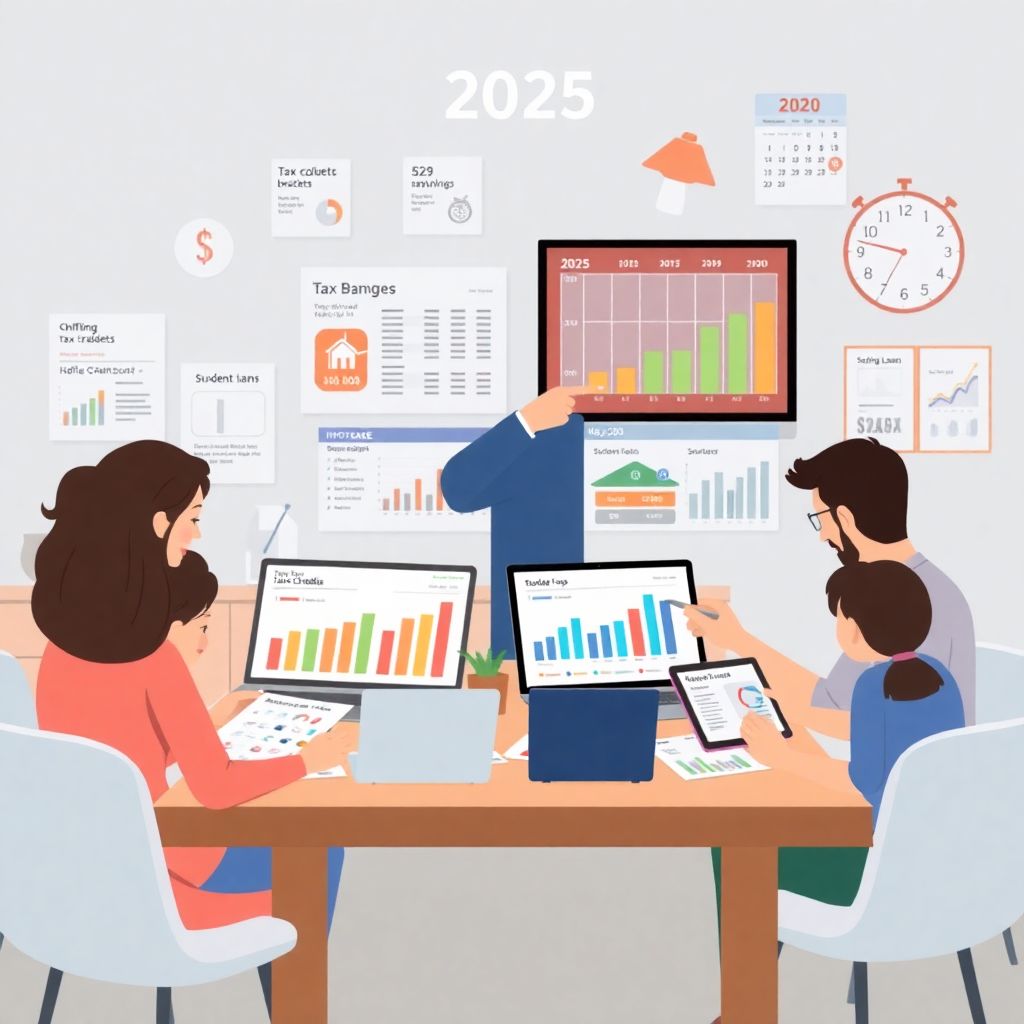
Why 2025 Tax Changes Matter So Much for Families

In 2025 many families are suddenly paying closer attention to tax news, и это не случайно. Several provisions from earlier reforms are scheduled to phase out or be rewritten by 2026, and lawmakers are already testing new ideas around credits, deductions and retirement rules. That means the logic behind your savings plan from five years ago may no longer fit today’s reality. Understanding how new tax laws affect family savings is less about memorizing every line of the code and more about seeing where the pressure points are: income brackets, children’s expenses, education costs and long‑term investing for parents who are juggling mortgages and college funding at the same time.
Key Ways New Tax Rules Can Hit (or Help) Your Budget
Shifting Tax Brackets and What That Means for Take‑Home Pay
When tax brackets move, even slightly, your net income can change without any raise or promotion. For middle‑income households, a small bracket shift can eat into money that usually goes to savings or debt repayment. In 2025 proposals center around adjusting brackets for inflation, but not always in a way that perfectly matches real‑world price growth. Practically это означает, что вы можете «влезть» в следующий диапазон доходов даже без ощутимого роста уровня жизни. Regularly updating tax planning strategies for families becomes crucial: recalculating projected tax liability, checking paycheck withholding and deciding whether to push extra income (like bonuses or stock sales) into a different year when the tax hit could be lower.
Credits and Deductions for Kids: Not Just a Line on a Form
Children‑related tax benefits—child tax credits, dependent care credits, flexible spending for daycare—often decide whether a young family can save at all. In 2025 discussions revolve around expanding some credits but tightening eligibility or refundability rules. If you rely on these benefits, a change of just a few hundred dollars per child can alter your annual savings target. Instead of just waiting for the next filing season, families can run “what‑if” scenarios: What happens if the credit drops by 20%? Can you redirect daycare payments through a pre‑tax account at work? Thinking in these scenarios helps turn tax law changes from a vague threat into specific action steps you can actually plan around.
College Savings: New Rules, New Trade‑Offs
Rethinking 529s and the Best College Savings Plans Under New Tax Laws
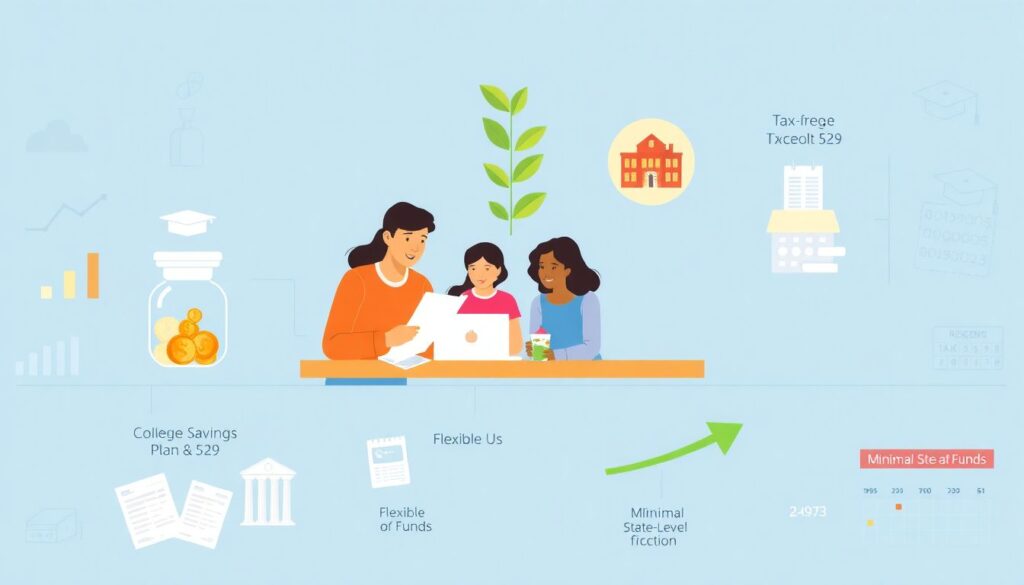
Education savings is one of the first areas to feel even small regulatory tweaks. The best college savings plans under new tax laws usually combine three things: tax‑free growth, flexible use of funds and minimal state‑level friction. Over the last few years, policymakers gradually expanded what counts as a qualified education expense, and in 2025 the trend continues, including broader use for some forms of skills training. Но в обмен обсуждаются лимиты по суммам или ужесточение требований к отчетности. Parents should review how their state treats 529 plans now: contribution deductions, potential clawbacks if funds are repurposed, and coordination with federal aid formulas that might change weighting of protected assets.
- Check if your state tightened or expanded deductions for 529 contributions.
- Compare fees and investment menus: tax benefits can be erased by high costs.
- Model different timelines: funding early childhood programs vs. traditional four‑year college.
Balancing Student Loans, Grants and Tax‑Favored Saving
Новая реальность 2025 года — гибридная модель: часть расходов закрывают гранты, часть — кредиты, а остальное приходит из сбережений. Изменения в налогообложении процентов по студенческим займам и возможные лимиты на вычет этих процентов делают уравнение сложнее. Sometimes paying extra on a high‑rate loan beats adding more to a tax‑favored account; in other cases, the tax‑free growth inside a 529 or custodial account wins over faster debt payoff. Families can sketch a simple map: guaranteed returns from avoiding interest vs. expected long‑term returns from investing after tax, remembering that tax rules on both ends—deductibility and investment taxation—are in motion and need periodic re‑checks.
Tax‑Efficient Investing for Parents in 2025
Building Tax Efficient Investment Plans for Parents
For parents, investing is never just about yield; it’s about what remains after taxes each year and at withdrawal. Tax efficient investment plans for parents in 2025 typically mix employer retirement accounts, IRAs and taxable brokerage accounts, with careful asset placement. Бумаги с высокой налоговой нагрузкой (облигации, активно торгуемые фонды) логично держать внутри пенсионных счетов, а более «тихие» активы — во внеплановых портфелях. New proposals around capital gains holding‑period rules and surtaxes on very high incomes mean that even middle‑class families need to watch for threshold effects: a one‑time large sale of company stock or property can unexpectedly push you into a higher marginal rate for that year.
- Prioritize tax‑advantaged accounts before opening multiple speculative accounts.
- Use automatic contributions timed to paydays to smooth out market swings and tax‑year timing.
- Review unrealized gains annually and decide whether to harvest losses strategically.
Tax Planning Strategies for Families Across Multiple Goals
Настоящая сложность не в самом налоговом кодексе, а в том, что цели семьи конкурируют за одни и те же деньги. Tax planning strategies for families должны учитывать очередь приоритетов: подушка безопасности, страхование, пенсия, образование, жильё. Each layer interacts with taxes differently: term life premiums get no break but protect everything else; retirement contributions shrink current taxable income; health savings accounts offer triple tax advantages if allowed. By mapping goals in order of urgency and tax impact, parents can decide where each дополнительный доллар будет работать эффективнее всего—снижать налог сегодня или строить необлагаемый доход в будущем.
Нужен ли Семье Финансовый Консультант по Налогам?
Как Работает Family Financial Advisor for Tax Planning
Когда правила меняются почти каждый год, family financial advisor for tax planning становится больше похож на переводчика между юридическим языком и повседневными решениями. Такой специалист помогает соединить налоговые нормы с семейными событиями: рождение ребёнка, смена работы, переезд, открытие бизнеса. В 2025 году многие консультанты используют программные модели, которые мгновенно считают эффект будущих законопроектов: что будет, если часть льгот отменят, а ставки повысят. Even if you do most of the work yourself, a periodic session with a professional can stress‑test your assumptions, reveal overlooked deductions and point out when a seemingly harmless choice—like early withdrawal from a plan—triggers cascading tax penalties.
- Ask specifically how proposed 2025–2026 rules could change your bracket and credits.
- Bring full data: pay stubs, benefit summaries, loan statements, not just last year’s return.
- Review both short‑term tax savings and long‑term estate or inheritance implications.
Прогноз: Как Будет Развиваться Тема Налогов и Семейных Сбережений до 2030
Три Тенденции, Которые Скорее Всего Закрепятся
С высокой вероятностью до конца десятилетия мы увидим, как налоговая система всё сильнее подстраивается под демографию и долги. Во‑первых, программы поддержки семей с детьми вряд ли исчезнут, но станут более адресными: больше проверок доходов, жёсткие пороги доступа, цифровая отчётность в режиме реального времени. Во‑вторых, образование и переквалификация будут всё плотнее интегрированы в налоговый кодекс, превращая образовательные счета и кредиты в гибридную зону между социальной политикой и инвестициями. Наконец, возрастёт роль автоматизации: налоговые платформы начнут предлагать встроенные «семейные режимы», где базовые решения по сбережениям и инвестициям оптимизируются сразу под действующие и ожидаемые правила.
Что Можно Сделать Уже Сейчас
Ожидая дальнейших поправок, семьям выгодно перейти от разовых решений к системному подходу. Раз в год стоит устраивать «налоговый осмотр»: обновлять данные о доходах, пересматривать распределение между пенсионными и образовательными счетами, переоценивать страховые и долговые нагрузки. В 2025 году технологии позволяют собирать цифры в одном дашборде и в нескольких кликах моделировать, как изменения ставок или льгот повлияют на ваш план. If you treat taxes not as a once‑a‑year chore but as one of the main levers in your long‑term savings strategy, new laws become менее угрозой и больше инструментом, которым можно управлять в интересах семьи.