

Use simple, repeatable money games for kids at home to simulate earning, saving, and spending with real decisions and small amounts. Set up a family “economy,” rotate roles, and use short, high-impact games to practice budgeting, saving goals, and trade-offs. Keep amounts low, rules clear, and praise consistent effort.
Core Lessons These Games Instill
- Money is earned by contributing value, not just by asking.
- Every dollar has a job: save, spend, or give.
- Budgets show trade-offs; choosing one thing means not choosing another.
- Waiting and saving leads to bigger, more meaningful rewards.
- Impulse spending has visible consequences on future choices.
- Tracking money over time builds a sense of control and confidence.
Setting Up a Home Economy: Materials, Roles and Rules
Use this at-home system if you want a practical, low-stress way of teaching kids about money at home without lecturing. It works especially well for ages roughly 6-14, when kids are curious, enjoy role-play, and can handle simple rules and basic arithmetic.
Avoid a full home economy if:
- Your child is highly anxious about money and adult finances are currently unstable or tense.
- You already use strict chore-based allowances that cause frequent conflict or bargaining.
- Screen time, homework, or behavior are major struggles; solve those basics before layering a money system on top.
To set up your basic home economy, gather:
- Play money or clearly marked envelopes for real small bills and coins.
- Three containers per child: “Spend,” “Save,” and “Give” (jars or envelopes).
- Simple earning chart listing tasks, expected time, and payment.
- Weekly “payday” time (10-20 minutes) to count, sort, and discuss money.
Assign roles so it feels like a game rather than a lecture:
- Parent as “Bank” and “Boss” (pays wages, tracks tasks, runs the “store”).
- Child as “Employee” and “Customer” (earns money and spends it in home games).
- Older kids can occasionally be “Assistant Manager” to help younger siblings log earnings.
Keep rules short and visible on a paper or whiteboard:
- How money is earned (which tasks count and how often).
- When payday happens (for example, Friday evening).
- How money is divided: for example, each dollar must be placed into Spend, Save, or Give.
- What happens when rules are broken (for example, task redo instead of fines for younger kids).
Quick Earning Activities for Immediate Reinforcement
Early on, kids need fast feedback: do a task, see money appear, and then use it inside simple money management games for kids. Choose activities that are safe, clear, and doable without heavy supervision.
You will need:
- List of “micro-jobs” that take 3-10 minutes each (pairing socks, wiping a table, watering plants).
- Play money or real coins in a small box so kids can be paid immediately.
- A visible “Job Board” (paper, sticky notes, or a whiteboard) with job name and payment.
- Timer (phone, oven, or analog) to keep jobs short and game-like.
Examples of quick earning activities:
- Speed Sort – Sort a small basket of toys, cards, or blocks into labeled containers within a set time limit.
- 10-Item Rescue – Pick up and put away any 10 items from common areas.
- Book Booster – Choose and read one short book aloud (for younger kids) or summarize a chapter (for older kids).
- Snack Station Reset – Help restock a snack drawer or prep simple, safe snacks (no knives or heat for young kids).
Immediate reinforcement strategy:
- Child selects a job from the board.
- Start the timer and cheer them on.
- When done, quickly inspect, then pay them with play money on the spot.
- Ask, “Where should this money go today: Spend, Save, or Give?” and let them choose.
Short bursts like these build the foundation for later financial literacy games for children, because kids feel a direct link between effort and reward.
Budgeting Games to Teach Trade-offs and Priorities
Use this section as a clear how-to for turning everyday choices into budgeting games that show kids how limited money forces priorities. These games can be played with physical jars or through simple educational money games online, as long as an adult guides the conversation.
-
Pick a simple goal and time frame
Choose a short-term goal your child cares about (for example, a small toy or digital upgrade) and a realistic time frame such as two to four weeks. Keep it concrete and visible so it feels achievable.
-
Estimate the cost together
Look up the item’s price online or in a flyer, then write it clearly on a card: “Goal: Puzzle – Cost: $10.” For older kids, include tax as a basic introduction to real-world costs.
-
Map out expected income
List the ways your child can earn money through your home economy and how often. Do a quick “If you do three jobs a day, you get…” calculation to show how long reaching the goal may take.
- Under 8 years old: focus on “jobs per day” and “days until you get it,” using simple numbers.
- 8 years and older: introduce a basic weekly budget table (Expected Earnings, Planned Spending, Planned Saving).
-
Create a tiny weekly budget plan
Have your child decide what percent or number of coins go into Spend, Save, and Give jars each payday. Emphasize that the “Save” jar is what powers the chosen goal.
- Under 8: use language like “Two coins to saving, one coin to spending.”
- Older kids: let them choose their own split and write it down as a mini “Money Plan.”
-
Practice trade-off scenarios as a game
Act out little stories: “You have $5. You can buy candy today or wait two weeks and reach your toy goal faster. Which do you pick and why?” Let them choose without shaming wrong answers.
- Make it playful by using toys or drawings as stand-ins for choices.
- Rotate scenarios: snacks vs. game upgrade, small toy now vs. bigger event later.
-
Record outcomes visually each payday
During payday, count money in each jar and color a progress bar on paper toward the goal. Visual progress helps kids see how budgeting and choices change timelines.
-
Review and adjust the plan briefly
Once a week, ask, “Did our plan work this week?” If they struggled, adjust job numbers, budget splits, or the size of the goal to keep motivation high.
Fast-Track Mode: Ultra-Simple Budget Game
- Let your child pick one small goal and write the price on a card.
- Agree on a simple rule like “Every payday, at least one coin must go to saving.”
- Pay for two or three quick jobs, then immediately sort money into Spend and Save jars.
- Color a progress bar, then repeat this mini-game twice a week until the goal is met.
Saving Challenges That Build Delayed Gratification

Use this checklist to confirm that your saving challenges are teaching patience rather than causing stress or frustration.
- The goal is meaningful to your child, not just practical for adults.
- The target amount is reachable within a short, kid-friendly time frame.
- There is a visible tracker (sticker chart, bar to color, or block tower) that shows progress.
- You celebrate effort every few days, not only when the final goal is reached.
- Rules for adding to the Save jar are clear and consistent.
- You avoid taking money away as punishment for ordinary kid mistakes.
- Kids have occasional “mini-rewards” along the way (for example, halfway treats or experiences) without fully cashing out.
- Older kids get to design some of their own saving challenges or goals.
- The challenge can be paused or resized if it clearly becomes overwhelming.
- Conversations stay positive, focused on learning, not on guilt or pressure.
Role-Play Market Simulations for Spending Decisions
Market-style role-play is one of the most engaging money games for kids, but it often goes wrong in predictable ways. Watch for these common mistakes and adjust your setup.
- Prices are too high or too low, making choices either impossible or meaningless.
- Kids can buy everything they want, so they never feel real trade-offs.
- There is no clear “budget” at the start of the game; they just spend until they run out.
- Adults over-explain and lecture instead of letting kids experiment and then debrief.
- Games drag on too long, so kids get tired and spend randomly just to finish.
- Only one child gets to be the “shopkeeper,” and others feel left out or bored.
- Parents correct every “bad” choice immediately, removing natural consequences.
- The same scenario is repeated without changes, so kids stop thinking and just copy prior choices.
- Prices never change, so kids miss out on learning about sales or limited-time deals.
- Real family rules about money (for example, no candy before dinner) are ignored for the game, creating confusion.
Measuring Progress and Scaling Complexity
As kids grow, you can vary the complexity of your home money system and financial literacy games for children. Here are safe alternative paths and when they are appropriate.
-
Simple token system instead of money
For younger kids who still mouth objects or cannot yet count reliably, use tokens, stars, or pom-poms instead of coins. Later, convert tokens into “money” at a simple exchange rate they can understand.
-
Digital tracker plus educational money games online
For older kids comfortable with screens, keep a shared spreadsheet or app showing balances and pair it with carefully chosen educational money games online. Use short debriefs to connect digital choices with your home economy rules.
-
Project-based budgets for tweens and teens
Instead of small toys, give kids a fixed budget for a larger project (party, hobby, or gift shopping). Let them research prices, compare options, and track spending to stay within budget.
-
Family challenge mode
Turn saving or spending decisions into a family event: create a joint goal (day trip or donation) and let kids help decide how to allocate shared and individual funds within a clear limit.
Practical Concerns and Common Pitfalls
How much real money should I use for these games?
Keep amounts small enough that losses or impulsive choices are minor. Many families start with coins or very low bills, then gradually increase as kids show responsibility and understanding.
Should chores always be tied to payment?
No. Separate “family contribution” tasks that everyone does for free from optional “money jobs” that earn pay. This keeps your home from turning into constant negotiations about every request.
How do I handle siblings with different ages and skill levels?
Use the same overall system but adjust job difficulty, payment, and goals by age. Older kids can manage more complex budgets and tracking, while younger children focus on simpler earn-and-save experiences.
What if my child only wants to spend and never save?
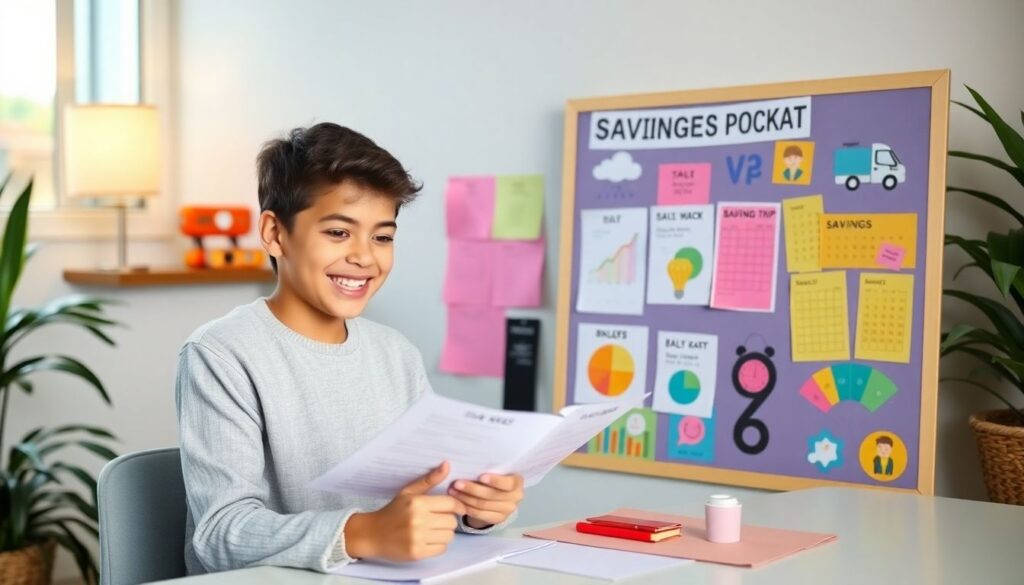
Allow some free spending, but keep at least one required saving rule in place. Use short-term goals and visual trackers to show how saving turns into something they really want within a short period.
Can I replace physical games with apps and online tools?
Apps can complement, but not replace, hands-on practice. Prioritize real coins, jars, and in-person market role-play, then use digital tools and money management games for kids as occasional reinforcements with adult guidance.
How often should we run these money games at home?
Consistency matters more than intensity. A weekly payday plus one or two short sessions of jobs, budgeting games, or market play is usually enough to build habits without overwhelming kids or parents.
What if we slip up and forget payday or tracking for a while?
Simply restart without guilt. Explain that adults sometimes lose track too, review balances together, and resume your routines with slightly shorter or easier goals to rebuild momentum.