
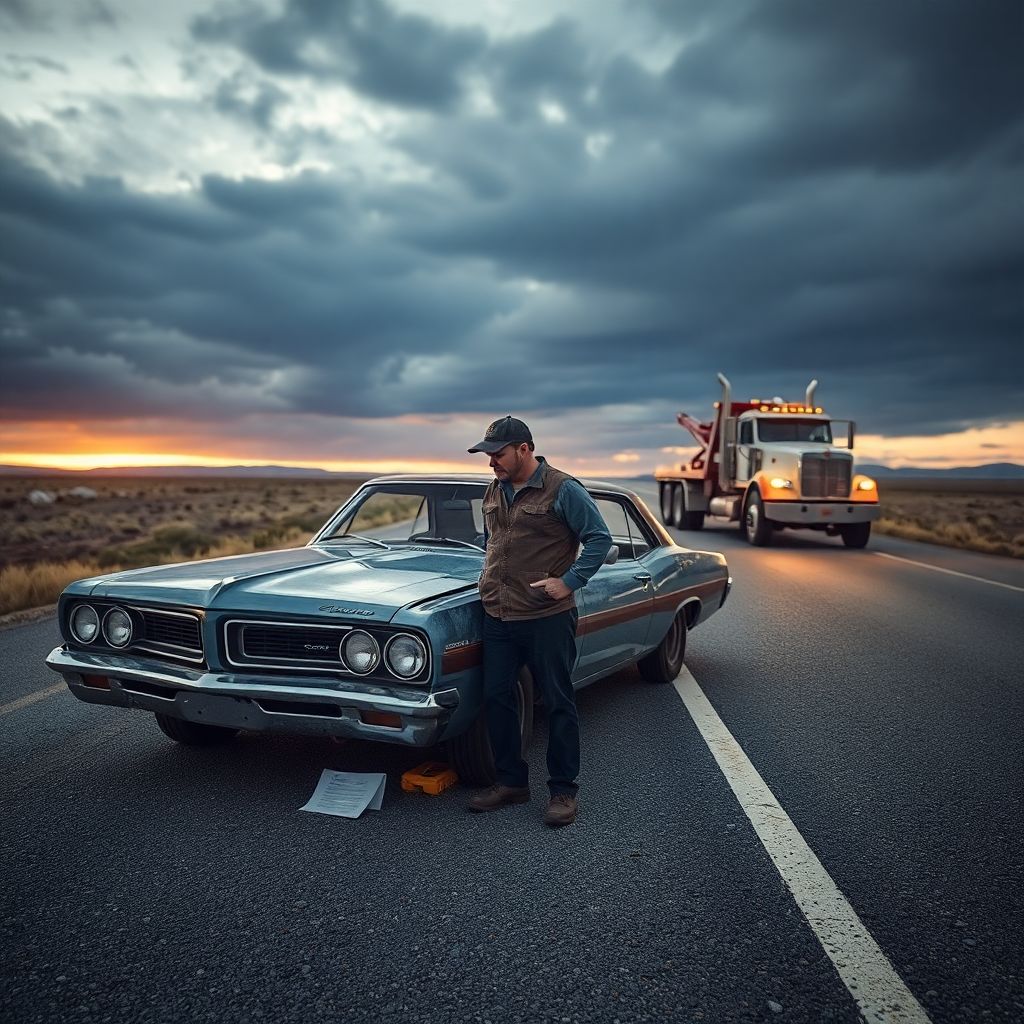
When your only car dies far from home and you depend on it to get to work, the lease‑vs‑buy question stops being theoretical and becomes urgent. In your situation, you’re basically juggling three issues at once:
1. You need transportation immediately so you don’t lose income.
2. Your broken Pontiac is stranded hours away with a massive tow bill.
3. You have little or no cash available right now.
Let’s break down what realistically makes sense in a case like yours: buying an older high‑mileage car, leasing a new one, and what to do about the Pontiac.
—
Leasing a new car: how it really works
Leasing can sound attractive when you’re in a bind: low monthly payment, brand‑new car, less worry about repairs. But leases come with conditions that often make them a bad fit when money is tight:
1. Upfront costs
Most leases require:
– A down payment or “capitalized cost reduction”
– First month’s payment
– Registration and fees
– Sometimes a security deposit
Even “zero down” offers usually still require fees and taxes upfront. If you currently have no spare money, qualifying for and starting a lease can be very difficult.
2. Strong credit needed
Leasing companies want to be sure you’ll pay on time. That means you typically need:
– Decent to good credit
– Stable documented income
– A clean payment history
If your credit is weak or thin, you might:
– Be denied
– Be asked for a much higher down payment
– Get a worse monthly rate
3. You don’t own the car
At the end of a lease:
– You give the car back, or
– You buy it out (often for a large lump sum)
So after two years of paying, you might end up with nothing to show for it except the use of the car during that period. This can make sense for someone stabilly earning and planning ahead, but is risky if every dollar matters right now.
4. Extra costs and restrictions
Leases usually include:
– Mileage limits (go over, and you pay per mile)
– Wear‑and‑tear rules (damage fees at turn‑in)
– Strict contract terms (hard to exit early without penalties)
If your life is unstable or you might change jobs, move farther away, or lose hours at work, a lease can trap you in a fixed, non‑flexible payment.
Bottom line on leasing now:
Given:
– No spare cash
– Emergency need
– Uncertainty about towing and repair costs for your Pontiac
Leasing a brand‑new car is likely the hardest, riskiest, and most expensive option to secure in the short term.
—
Buying an older high‑mileage car: pros and cons
Now let’s look at buying an older car, something like a 150,000‑mile vehicle.
Advantages:
1. Lower purchase price
A high‑mileage car is often a fraction of the cost of a new one. That means:
– Smaller or no down payment
– Lower monthly payments if financed
– Sometimes you can pay cash if you can get even a small loan or short‑term help
2. You own it
Once the car is paid off, that’s it. No mileage limits, no turn‑in fees, and if you need to sell it later, you can recoup some of your money.
3. Easier to find something quickly
Used cars are everywhere: small lots, private sellers, auctions. In a “need something this week” situation, it’s normally much faster to buy an older car than to qualify and wait around for a lease.
4. Insurance can be cheaper
Older cars usually cost less to insure, especially if you don’t need full coverage. That lowers your monthly transportation cost.
Disadvantages:
1. Higher risk of repairs
With 150,000 miles on the clock, parts are worn. Brakes, suspension, transmission, cooling system-any of these might need work soon. That means:
– You must budget something each month for potential repairs
– A cheap car can get expensive if you buy a “lemon”
2. Less predictable
A new leased car is almost guaranteed to be reliable. A high‑mileage used car depends a lot on maintenance history and previous owners. You’ll need to be picky.
3. Financing can still be an issue
If your credit is poor, even used‑car financing can be tricky. “Buy here, pay here” lots will finance almost anyone, but:
– Interest rates can be very high
– You may owe more than the car is worth
Still, compared to the qualifications needed for most leases, used‑car financing is generally more flexible.
—
What to do with the broken Pontiac
You’re stuck with a car that’s four hours away and a quoted tow bill around 2000. Before thinking about lease vs buy, you should decide: is it even worth bringing this car home?
Ask yourself:
1. What is the Pontiac actually worth in running condition?
If the car is only worth around what the tow would cost-or less-then paying for a tow doesn’t make financial sense. You’d be spending the car’s value just to get a broken vehicle back.
2. What might the repair cost be?
Even if you get it home, major engine or transmission work could easily add another big bill. At that point, you might be pouring money into a car that will still be old and unreliable when repaired.
3. Any cheaper towing or local options?
Instead of a full‑price professional tow:
– Is there a cheaper independent tow in that area?
– Could you find someone with a truck and trailer willing to help for less?
– Could you sell the car locally where it sits, even for parts or scrap?
Sometimes, the smartest move is to cut your losses:
– Sell the car where it is for parts or scrap
– Use that money (even if it’s small) to go toward a replacement car or temporary transportation
If the Pontiac is truly at the end of its life and worth less than the tow plus major repairs, emotionally it’s tough, but financially you’re often better off letting it go.
—
Considering your actual priorities
You need a car ASAP to keep your job. That shifts the decision from “What’s ideal?” to “What will reliably get me to work tomorrow without wrecking my finances in three months?”
Your top priorities are likely:
1. Immediate mobility – something you can start driving in days, not weeks.
2. Low up‑front cost – because you have little money right now.
3. Manageable monthly cost – so you don’t risk defaulting.
4. Reasonable reliability – so you’re not stranded again in a month.
In that context, a modest older car, chosen carefully, usually beats a lease.
—
How to buy an older car smartly when you’re broke
If you decide to buy an old car around 150k miles, you want to reduce the chances of getting another disaster. Some practical steps:
1. Set a realistic budget
Look at:
– What you can afford upfront (cash, help from family, small loan)
– What monthly payment you could actually handle if you had to finance a portion
– Extra for insurance, gas, registration, and a repair fund
2. Prioritize mechanical condition over looks
Forget flashy features. Focus on:
– Engine running smoothly, no knocking, no major oil leaks
– Transmission shifting well
– No overheating
– Brakes working properly
– No major rust on critical parts
Cosmetic issues (scratches, faded paint, small dents) are cheap compared to engine or transmission work.
3. Choose models known for reliability
Generally, older models from brands with reputations for lasting a long time are safer bets. A boring, simple sedan with a history of longevity is often what you want.
4. Get a pre‑purchase inspection if at all possible
If you can:
– Pay a trusted mechanic to inspect the car
– Or at least meet the seller near a shop
The small inspection cost can save you from buying a money pit.
5. Keep a repair cushion
Whatever you end up paying:
– Try not to spend every last cent
– Keep something aside (even a few hundred) in case something breaks soon after you buy it
A cheap car with zero backup cash is stressful; a cheap car with a small emergency fund is survivable.
—
Why leasing is rarely the best emergency solution
Leasing can make sense in some life situations, but you’re up against several issues:
– No money for leasing fees or a down payment
– Uncertain credit (or at least no mention that it’s strong)
– A desperate, time‑sensitive need for wheels
– A broken car already hanging over your head
Leases are designed for people who:
– Have stable income and can plan long‑term
– Want a new car every few years
– Can comfortably afford the payment, fees, and insurance
In an emergency “I just lost my only car and can’t miss work” scenario, leasing is usually the least flexible and hardest door to open.
—
A more realistic short‑term strategy
Given everything, a practical path might look like this:
1. Stop and evaluate the Pontiac’s real numbers
– Look up what it’s worth in running condition
– Compare that to the tow cost plus likely repair range
If tow + repair ≈ or > the car’s value, strongly consider not towing it home.
2. Try to monetize the Pontiac where it is
– Call around locally (in that area) to see if anyone buys junk or non‑running cars
– Even a small amount of cash from selling it can help with your next move
3. Secure temporary transportation if possible
– Carpool with coworkers
– Use rideshare or public transport for a week or two if available
– Borrow a car briefly from a friend or family member if that’s an option
This buys you a little time so you don’t rush into a terrible car purchase out of panic.
4. Shop for a basic, reliable used car
– Target something simple, common, and cheap to fix
– Get it checked if you can
– Be more concerned with maintenance history than with model year
5. Plan your finances around owning, not leasing
– Aim for the smallest realistic payment
– Look into older, lower‑price vehicles before considering financing for something more expensive
– Once you’re stable, you can always upgrade later
—
Thinking one step ahead
It’s tempting to dream of a new leased car, especially after a breakdown nightmare hours from home. But in your position, the best move is usually to:
– Cut your losses on the car that’s too expensive to rescue
– Get into a modest used vehicle as cheaply and safely as you can
– Protect your ability to earn income first, then worry about nicer cars later
Once your job and cash flow are secure again, you can revisit more comfortable long‑term options-whether that’s financing a newer car or potentially leasing in the future when you’re in a stronger financial position.
For right now, with no spare money and urgent need for transportation, buying an older, well‑chosen used car is almost always the better option than trying to lease a brand‑new one.