
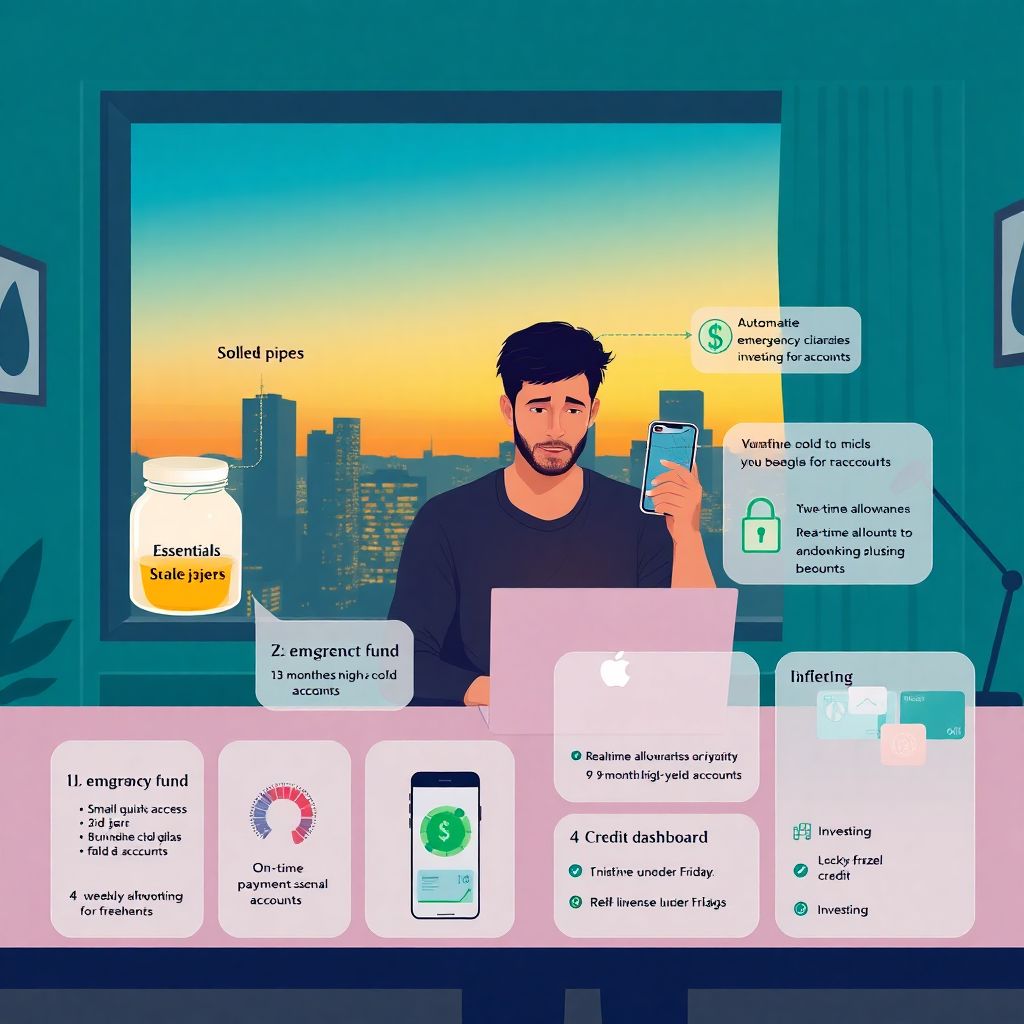
Why personal finance hits differently when you’re single
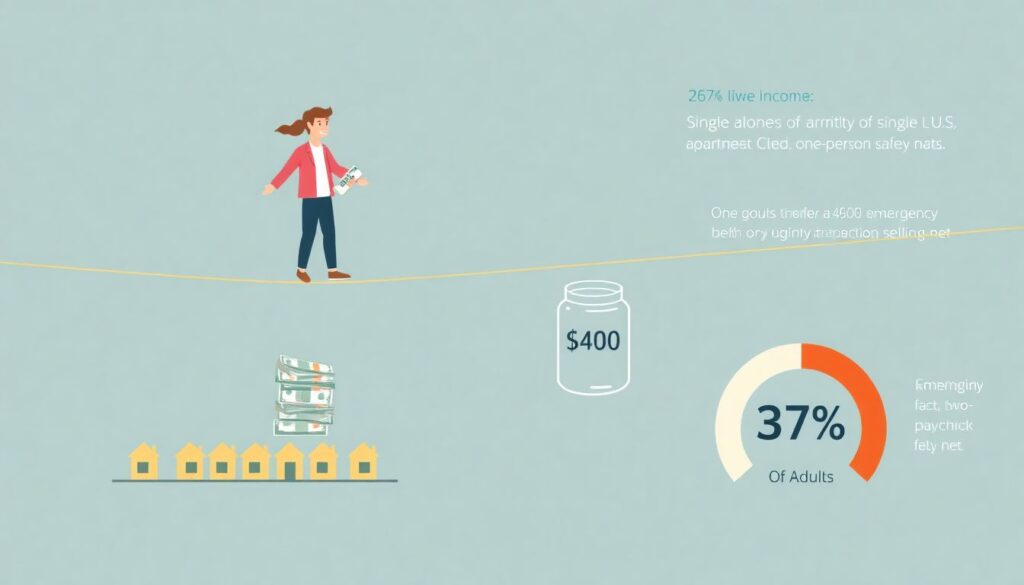
Going solo means you’re both the CFO and the safety net. In the U.S., nearly 29% of households are one-person, and the Federal Reserve reports about 37% of adults would struggle to cover a $400 emergency without borrowing or selling something. With one income, shocks aren’t averaged across two paychecks, so volatility bites harder: rent spikes, healthcare deductibles, or job gaps can snowball. That’s why singles benefit from systems over willpower—automated cash flow, layered buffers, and low-friction investing—so that good decisions happen by default and bad days don’t derail long-term plans.
Budgeting that actually sticks
Budgets fail when they’re brittle. For singles, “pay-yourself-first” automation plus a variable spending buffer beats line-item perfection. Start by mapping fixed costs, then cap flex spending to a weekly allowance that refills each Friday—short feedback loops curb overshoot. To cut admin, connect the best budgeting apps that categorize in real time and flag trends, not just totals. If your rent exceeds 30% of take-home, rebalance by trimming “nice-to-haves” or exploring co-living; a 5% rent cut often frees more cash flow than chasing tiny grocery hacks.
Emergency funds and interest-rate realism
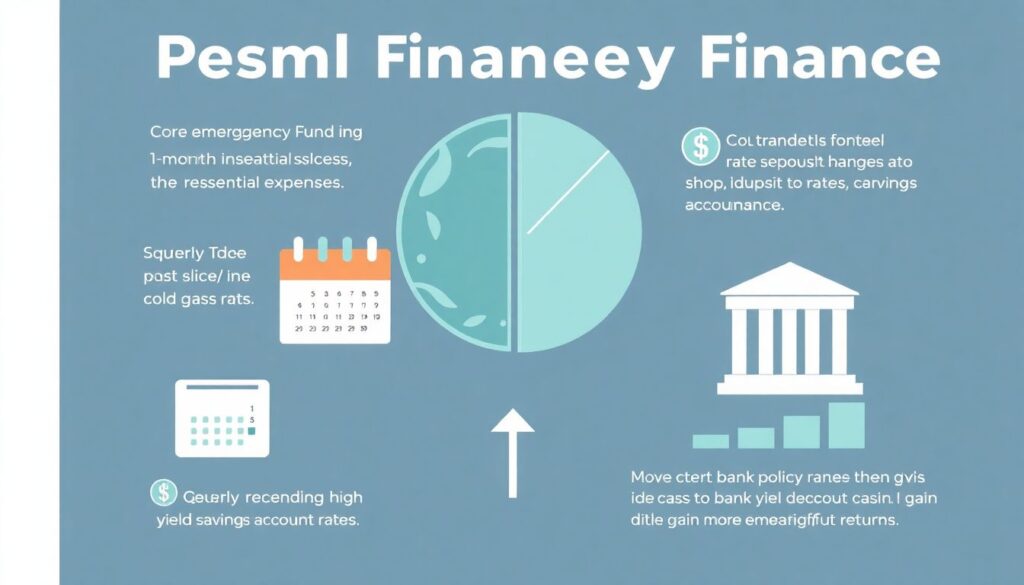
Aim for a core emergency fund of 3–6 months’ essential expenses, split into a quick-access slice and a “cold glass” slice you hesitate to raid. Keep both in insured accounts and shop high-yield savings account rates quarterly; when policy rates shift, banks lag, so moving idle cash can add meaningful, risk-free return. For irregular earners, raise the target to 9 months and consider a small Treasury ladder for extra stability. The point isn’t maximal yield at all times, but reliable liquidity that keeps you from turning little setbacks into high-interest debt.
Credit as a tool, not a trap
Your credit score is a discount rate on your future. Build it methodically: on-time payments, low utilization, and long-lived accounts. If you’re starting thin-file or rebuilding, the best credit cards for beginners offer no annual fee, autopay, and clear upgrade paths; pair with a secured card only if approval odds are low. Freeze your credit by default and unfreeze when applying—fraud burns singles faster because there’s no second pair of eyes. Every 12 months, pull free bureau reports, dispute errors early, and keep utilization under 10% for score resiliency.
Investing without turning it into a second job
Automation beats bravado. Prioritize tax-advantaged accounts, then a broad, low-cost index core. If you want guidance without the handholding fees, the best robo-advisors provide automatic rebalancing, tax-loss harvesting, and risk-tuned portfolios that discourage market-timing. Prefer to DIY? The best online broker for beginners should have zero-commission ETFs, fractional shares, and goal tracking you’ll actually use. Keep a small “curiosity sandbox” for speculative picks, capped at 5% of your portfolio, so experimentation doesn’t hijack retirement math or emergency reserves.
What the numbers say about the road ahead
Over the next five years, demographers expect solo households to edge above 30% in many urban markets as later marriage, remote work, and mobility persist. That shift magnifies exposure to rent inflation and healthcare costs, while higher-for-longer rates keep borrowing pricey but reward savers. Expect volatility: wage growth may cool, but productivity tech can lift top performers. Translation for singles: emergency buffers matter more, fixed costs must stay flexible, and consistent investing captures compounding while markets digest shifting inflation and policy cycles.
Economic currents you can use
Macroeconomics isn’t background noise; it sets your opportunity set. If rates ease, refinance high-cost debt first; if they stay elevated, keep cash ladders nimble and harvest better savings yields. Housing tightness argues for negotiating renewals early, considering room shares, or relocating near transit to cut car costs. Employer benefits are part of total comp: HSA-eligible plans can create tax trifectas when paired with preventive care. Use downturns to upgrade skills—short courses can raise earnings faster than penny-pinching, and higher income scales every other decision.
Five-step solo money system
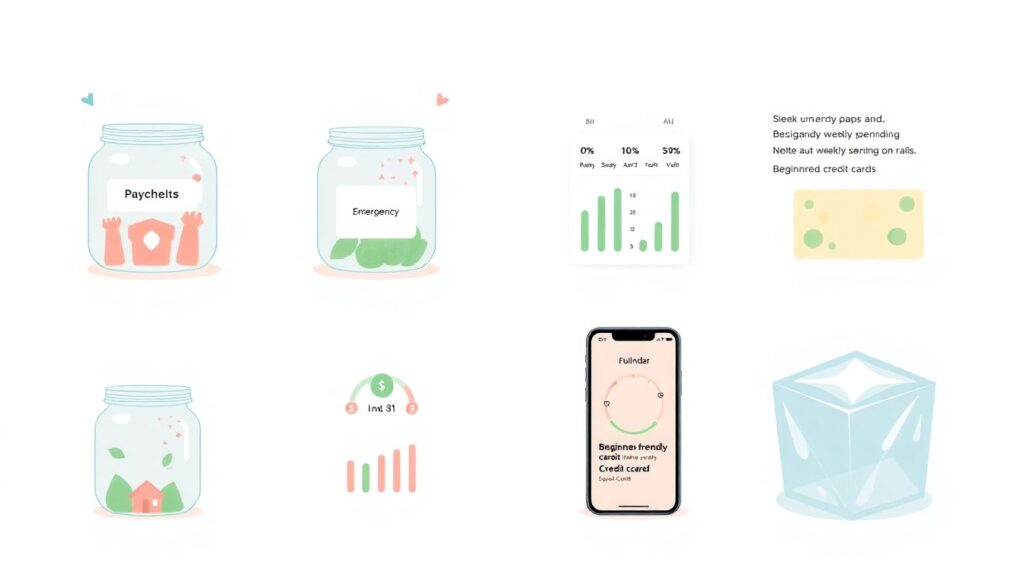
1) Automate paycheck splits: essentials, emergency, investing, fun.
2) Build a two-tier emergency fund and revisit high-yield savings account rates each quarter.
3) Use the best budgeting apps to keep weekly spending on rails.
4) Establish credit with the best credit cards for beginners, then freeze reports.
5) Invest through the best robo-advisors or the best online broker for beginners, setting target allocations and auto-rebalancing so you stay the course.
How the industry is reshaping itself
Singles’ needs are steering fintech. Budget apps emphasize cash-flow coaching and predictive alerts; brokers push fractional shares and goal-based UX; robo-advisors scale advice at lower fees, with assets under management projected to surpass $2T globally this decade. Banks chase sticky deposits with promo APYs, while insurers pilot modular coverage for one-income households. The upshot: providers that reduce cognitive load and smooth volatility win loyalty. As competition rises, fees should compress further—good news if you keep your accounts portable and your data tidy.