
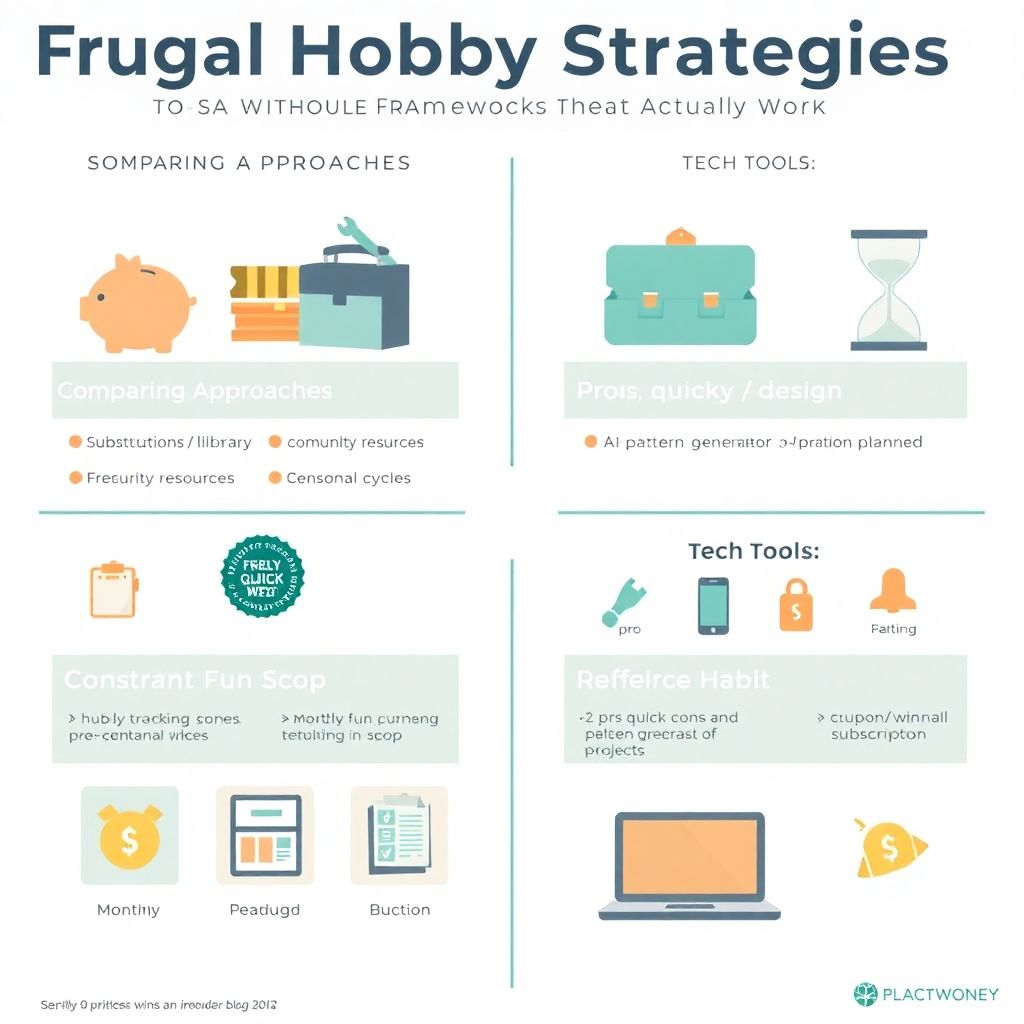
Comparing Approaches: Frugal Frameworks That Actually Work
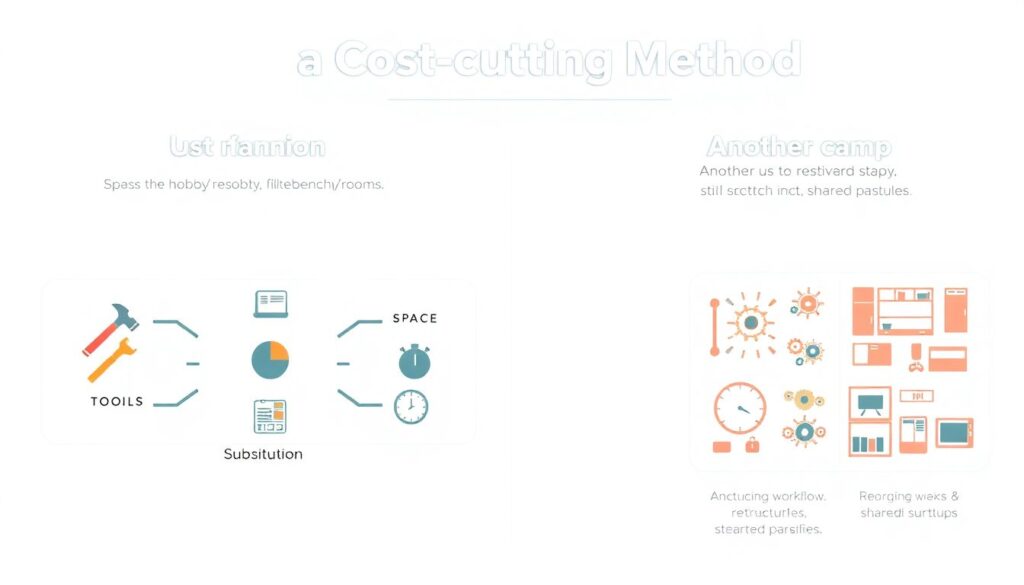
Choosing a cost-cutting method starts with mapping the hobby’s cost drivers—tools, consumables, space, and time. One camp favors substitution: swap premium materials for community resources, libraries, and cheap hobbies for adults that still scratch the itch for mastery. Another camp restructures frequency and scope: shorter sessions, micro-projects, or seasonal cycles that reduce burn rate without killing momentum. A third approach leans on constraint design—fixed monthly “fun caps” and pre-planned projects—so spending follows intent, not impulse. Experts suggest blending these with budget hobby ideas that create quick wins early, because early savings reinforce the habit loop and curb backsliding.
Tech Tools: Pros, Cons, and Where They Pay Off

Digital tools can trim costs, but only when they replace—not add to—spending. Tracking apps visualize recurring leaks and reveal how to save money on hobbies by batching purchases and timing sales. AI-powered pattern generators or open-source planners reduce paid content needs, though they may demand a learning curve. Market alerts and browser extensions surface discount hobby supplies, yet “deal-chasing” can inflate carts if you lack a list. Subscription tutorials beat one-off courses when you sprint, but go wasteful if you idle. Experts advise quarterly audits: cancel idle memberships, export key files, and keep a lean toolkit that demonstrably lowers total cost of ownership.
Expert-Backed Recommendations for Choosing Smart

Before buying anything, define a skill ladder: three concrete milestones and the minimum gear to reach each. This prevents premature upgrades and nudges you to buy used hobby equipment only after proving consistent practice. Adopt a “project-first” rule: pick a specific outcome, then assemble the cheapest sufficient setup to achieve it once. Build a replenishment calendar tied to project phases, not paydays, to blunt impulse buys. Pros also endorse community arbitrage—skill swaps, tool libraries, maker spaces—so fixed costs become shared assets. Finally, set a “failure budget” for experiments; modest, pre-authorized risk keeps learning alive while spending stays predictable.
2025 Trends: Stretching Value Without Losing Joy
In 2025, communal infrastructure is surging: neighborhood tool banks, peer rental apps, and repair collectives reduce ownership pressure, widening the field for budget hobby ideas that thrive on collaboration. Secondhand ecosystems are maturing with verified listings and escrow, making upgrades safer and cheaper. Expect AI to personalize practice paths, cutting dead time and materials waste, while brands bundle refill programs to retain users at lower marginal cost. The upshot: shoppers who plan around community access, time-limited subscriptions, and seasonal clearance windows will outsave those chasing novelty. Treat hobbies as portfolios—rebalance quarterly, prune the costly, and double down on what delivers joy per dollar.