
Category: Investment Insights
-

Financial literacy for remote learners: essential money management tips
Historical background: from campus cash to cloud wallets Remote learning didn’t invent money stress, but it has quietly changed its shape. A few decades ago, college finances revolved around cash, paper checks and maybe one shared family card. Budgeting was physical: envelopes for rent, food and books. Today, remote learners move through a patchwork of…
-

Project progress and milestones: how to define, track and achieve goals
Understanding Milestones in Modern Projects What milestones вообще такое Milestone в 2025 году — это не просто дата в календаре, а проверочная точка, где команда честно отвечает на вопрос: «Мы вообще туда идём?». Формально milestone — это значимое событие без длительности: релиз MVP, завершённый дизайн‑спринт, сертификация, интеграция с ключевым API. В отличие от задачи, milestone…
-
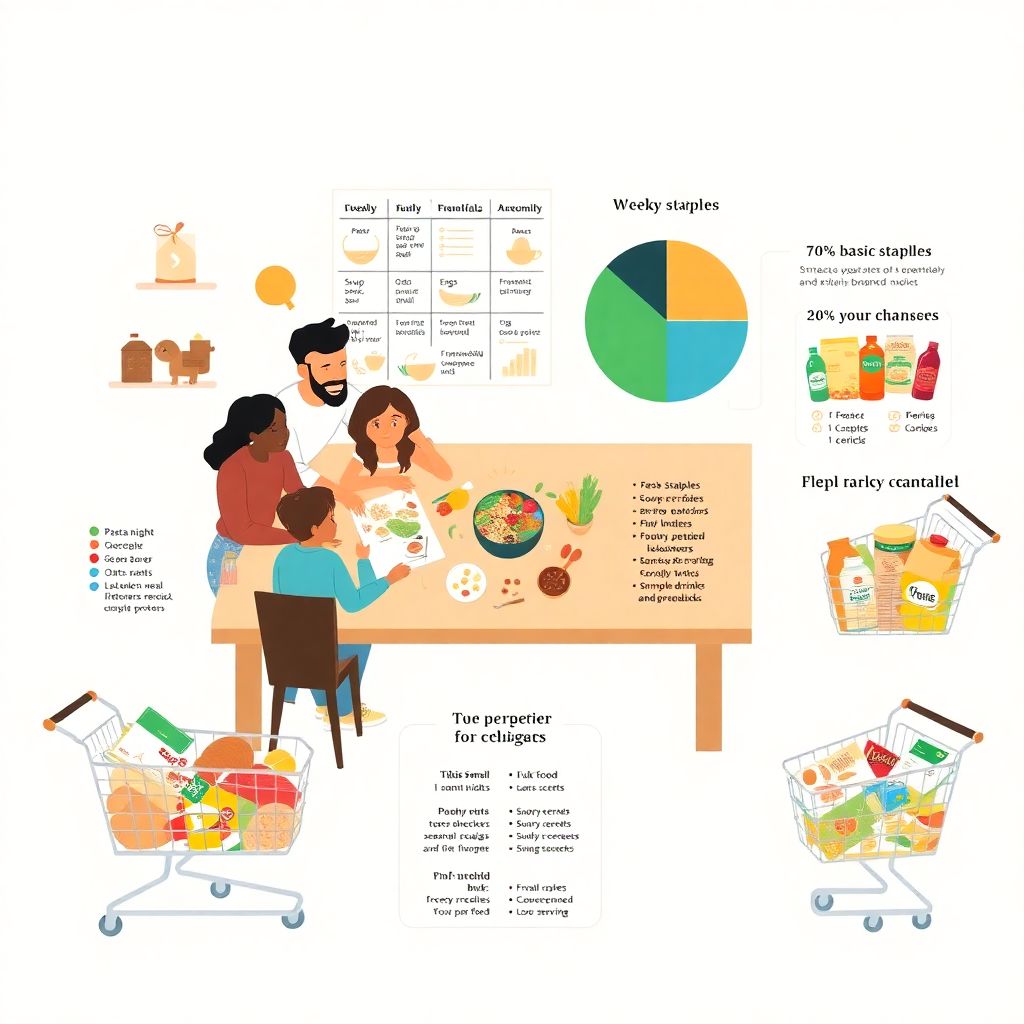
Cost-saving hacks for large family food shopping on a tight budget
Shopping for a big family doesn’t have to feel like a second mortgage. With a bit of strategy (and some psychology), you can shrink your grocery bill without shrinking portions or nutrition. Below — a structured, down‑to‑earth guide with history, principles, real‑life cases and common myths. — How We Got Here: A Short Historical Look…
-
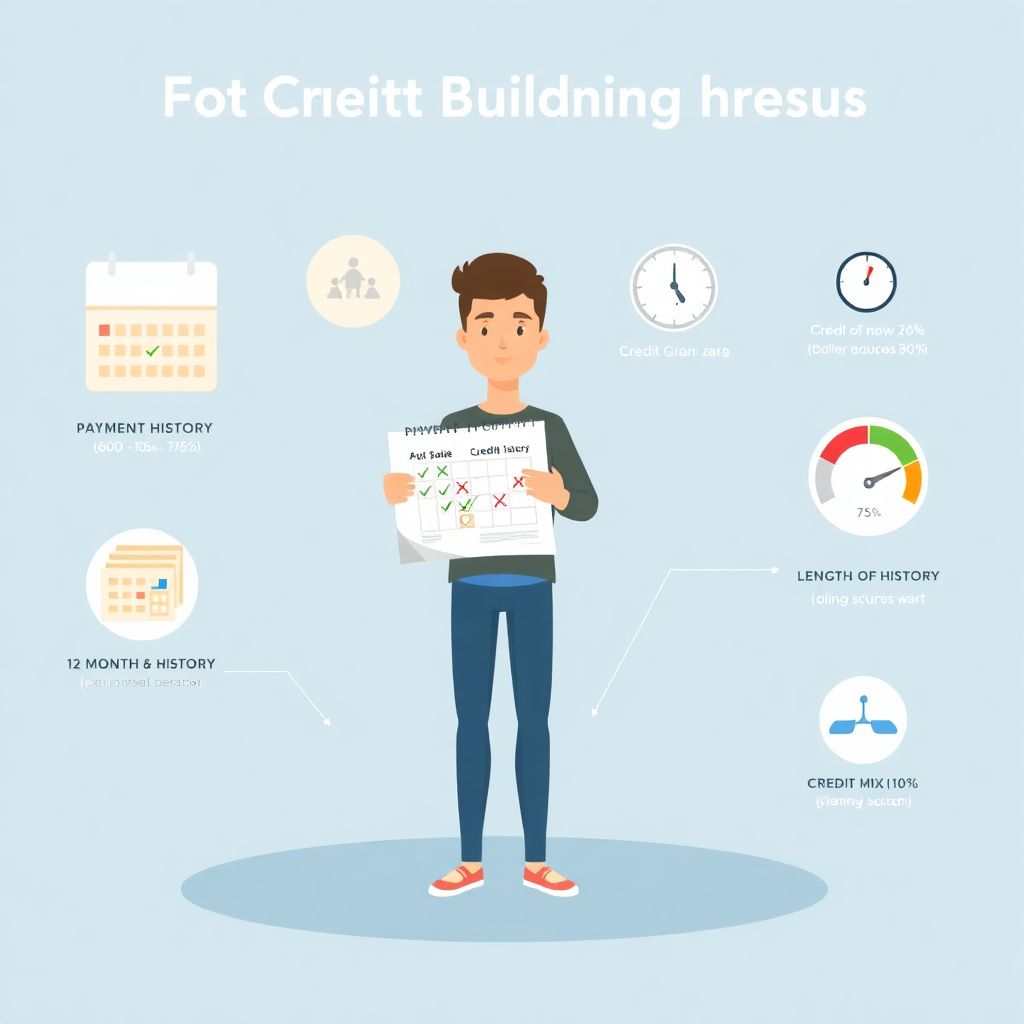
Building a credit score from scratch: practical steps to start strong
Why starting from zero is actually a superpower Most people think “no credit history” is the same as “bad credit.” It’s not. Bad credit means you’ve made documented mistakes. No credit means the system doesn’t know you yet. That’s annoying (you get worse rates, more deposits, rejections), but it also means you can design your…
-
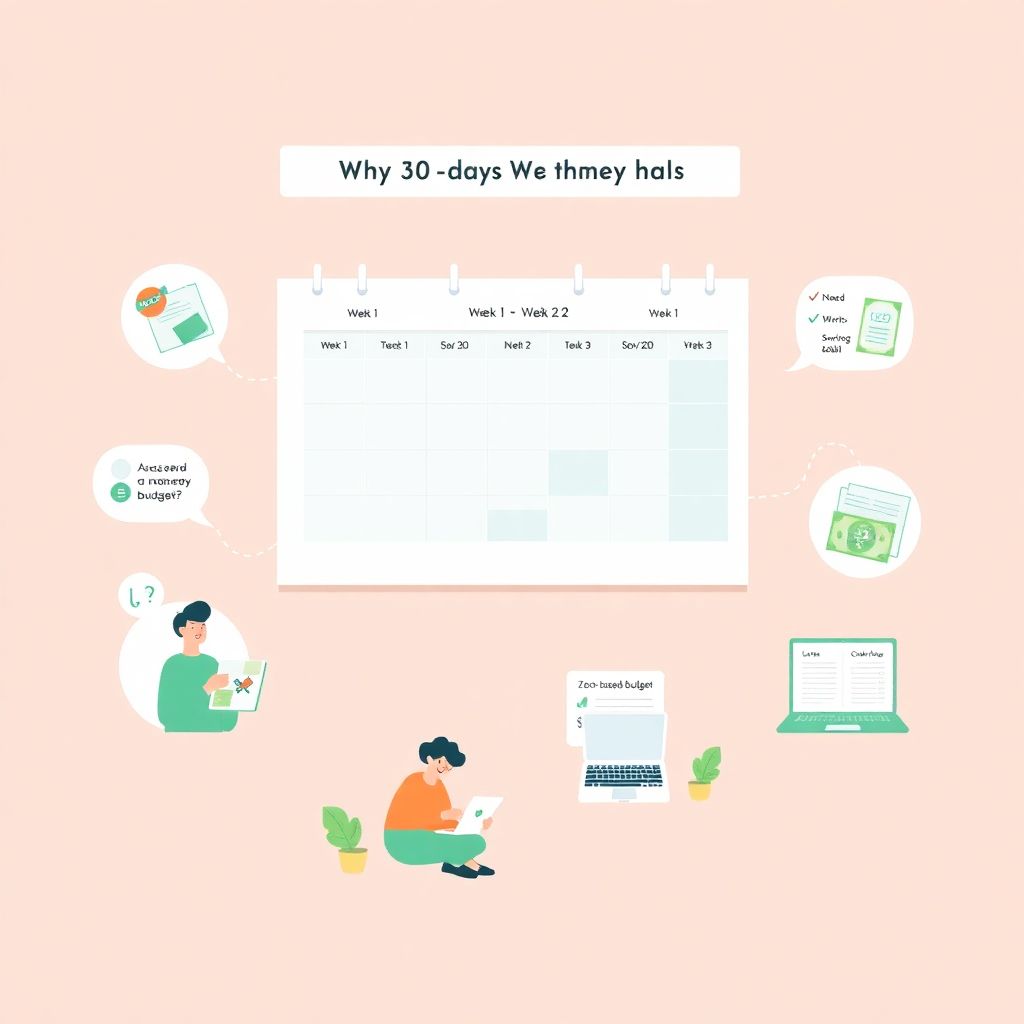
How to build better financial habits in 30 days and stick to them
Why 30 Days Is Enough to Reset Your Money Habits Формировать финансовые привычки за месяц реально, если воспринимать эти 30 дней как эксперимент, а не как приговор на всю жизнь. Мозгу нужна понятная рамка: четкий срок, простой план, видимый прогресс. За четыре недели можно не «разбогатеть», а заложить рельсы — автоматические действия, которые потом тянут…
-
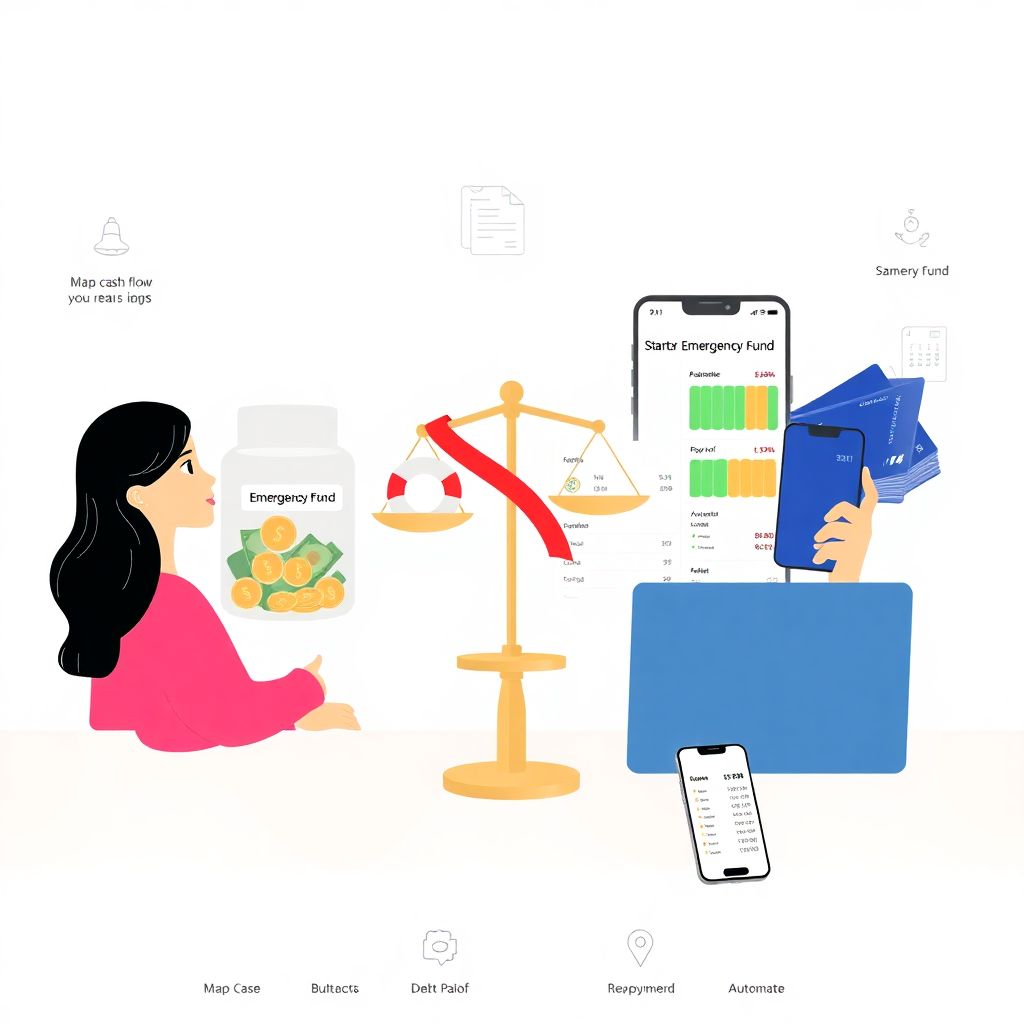
Emergency fund: how to build savings while paying down debt
Why Balancing Savings and Debt Feels So Confusing If you’re wrestling with how to build an emergency fund while paying off debt, you’re basically trying to solve two opposite problems at once: one wants you to stockpile cash, the other wants you to throw every spare cent at balances. The usual advice online sounds absolute…
-

Frugal living for busy families: quick wins to save money every day
Why frugal living actually works for busy families If your days проходят в режиме «работа – школа – кружки – ужин – посуда – collapse», мысль о каком-то особом frugal living может звучать как очередной пункт в списке дел. Но экономный образ жизни для занятых родителей — это не про скуку, запреты и бесконечные таблицы…
-

Financial planning for new parents: a smart guide to securing your family
Becoming a parent rearranges your brain, your sleep и, разумеется, ваши финансы. В какой‑то момент между сменой подгузников и бесконечными стирками вы ловите себя на мысли: «Окей, а как теперь вообще выглядит разумный financial planning for new parents, если я не хочу жить от зарплаты до зарплаты и бояться любого чека от педиатра?» Эта статья…
-
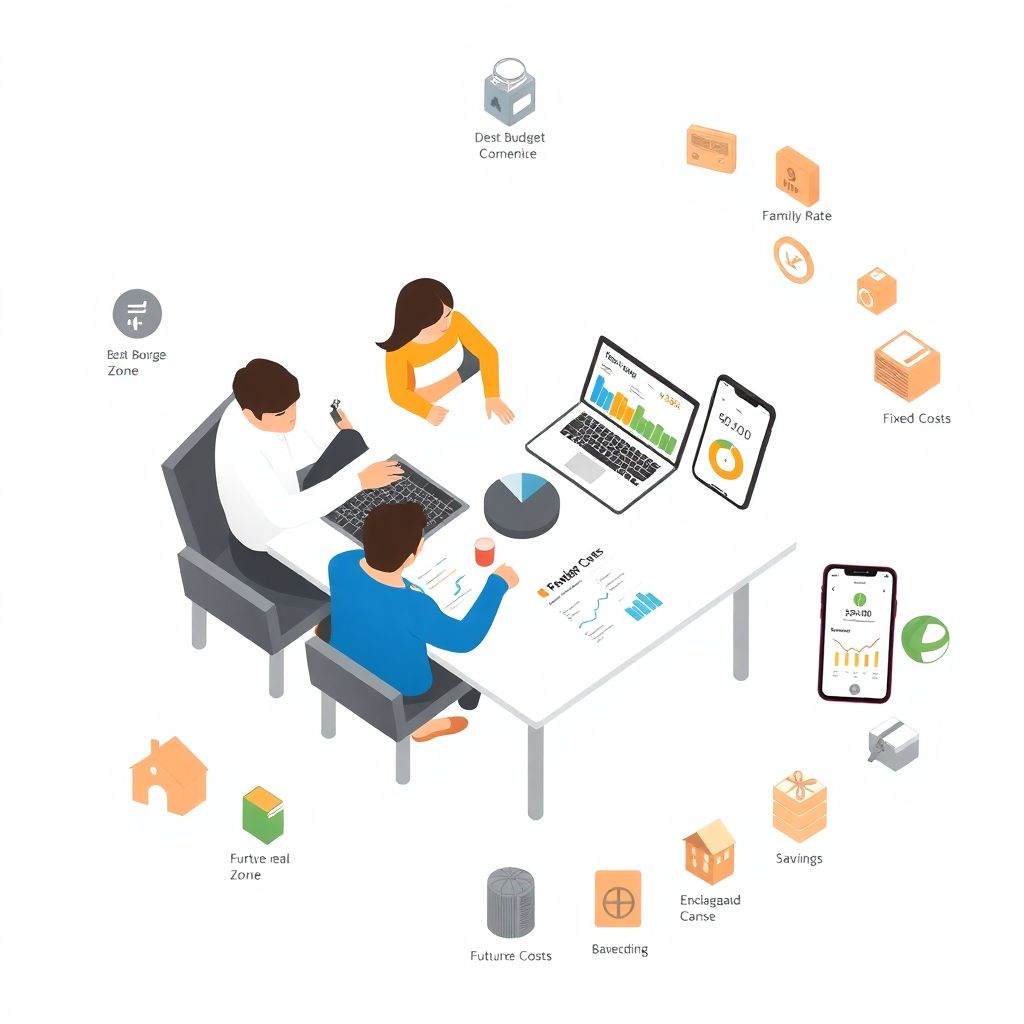
How to create a balanced budget and still enjoy life every single month
Balanced Budget as a Tool for Quality of Life A balanced budget в современной финансовой теории трактуется не как жесткая экономия, а как управляемое распределение ресурсов, при котором текущие потребности, будущее накопление и досуг интегрированы в единую систему. При корректной структуре расходов домохозяйство снижает долговую нагрузку и одновременно повышает субъективное ощущение благополучия. Такой подход отличается…
-

Smart financial habits for new graduates to build stability and long‑term wealth
Why money decisions in your 20s matter more than they look Most new graduates недооценивают, насколько сильно первые пять лет после выпуска задают тон всей финансовой траектории. По данным Федеральной резервной системы США, средний американец до 35 лет в 2024 году имеет около 32–35 тыс. долларов долга без учета ипотеки, и примерно половина этой суммы…