
Category: Saving Strategies
-

How to start investing with just $50 a month as a practical roadmap for parents
Investing $50 a month is enough for parents to build a meaningful long-term portfolio, especially when they start early and stay consistent. The safest path is: define goals, free up $50 in your budget, choose low-cost diversified funds, use automated monthly deposits, and review yearly while avoiding high fees and speculation. Core Steps at a…
-

Investing 101 beginners guide to stocks, bonds and index funds
Investing 101 means understanding how stocks, bonds, and index funds work together to grow your money over decades, not days. Focus on low costs, broad diversification, and a repeatable plan. Start small, automate contributions, ignore noise, and let time and compounding-not predictions-do most of the heavy lifting. Essential Concepts Snapshot Investing is long-term ownership of…
-

Rising interest rates: how they impact your savings, debt and investments
Rising interest rates reward cash savers but punish borrowers and long-term bondholders. To respond safely, shift idle cash into higher-yield but low-risk accounts, shorten bond duration, prioritize paying down variable-rate debt, avoid rushed equity bets, and adjust your portfolio gradually rather than making all-or-nothing timing calls. Immediate effects of rising rates you must act on…
-
Saving strategies to build an emergency fund in one year
To build an emergency fund in one year, set a realistic savings target, analyze your budget, and automate consistent transfers into a safe, liquid account. Add income where possible, protect the fund from impulse spending, and track progress monthly so you can adjust quickly if income drops or expenses rise. Core Principles for Building a…
-

How to start investing with $50 a month even if you’re scared to begin
Starting with just $50 a month works if you treat it as training plus long-term wealth building. You set up a safety buffer, choose a simple low-cost investment in a suitable account, automate contributions, and ignore short-term swings. You are buying time in the market, not chasing fast gains. Essential Rules Before You Invest $50…
-
Investing 101: simple guide to stocks, bonds and funds for beginners
Investing 101 is about using simple building blocks-stocks, bonds, and funds-to grow money systematically, not by guessing. Start by choosing one of the best investment accounts for beginners, using low-fee index funds, and following clear rules for risk, diversification, and rebalancing instead of chasing tips, hype, or complex products. Core Concepts Snapshot Begin with a…
-
Breaking the paycheck‑to‑paycheck cycle with practical steps you can start this month
If you want to know how to stop living paycheck to paycheck starting this month, focus on three moves: map one week of real cash flow, cut or renegotiate a few big bills, and lock in a tiny but automated emergency buffer. Then layer in safe income boosts and a simple debt priority order. High-impact…
-

Simple savings plan for emergencies, holidays and big future goals
A simple savings plan channels your income into three buckets: emergencies, holidays, and big goals, using separate accounts, automatic transfers, and realistic timelines. You’ll first map cashflow, then set specific targets, pick safe savings accounts, automate contributions, and review monthly so your plan stays aligned with real-life changes and priorities. Core Rules for an Actionable…
-

Index funds vs individual stocks for parents: what to know before investing
For most busy parents, broad, low-cost index funds inside tax-advantaged accounts are usually the most practical core choice, while a small side allocation to individual stocks is optional and only for money you can afford to risk. Your goals, time horizon, risk tolerance, and available time decide the right balance. Essential Considerations for Parents Before…
-
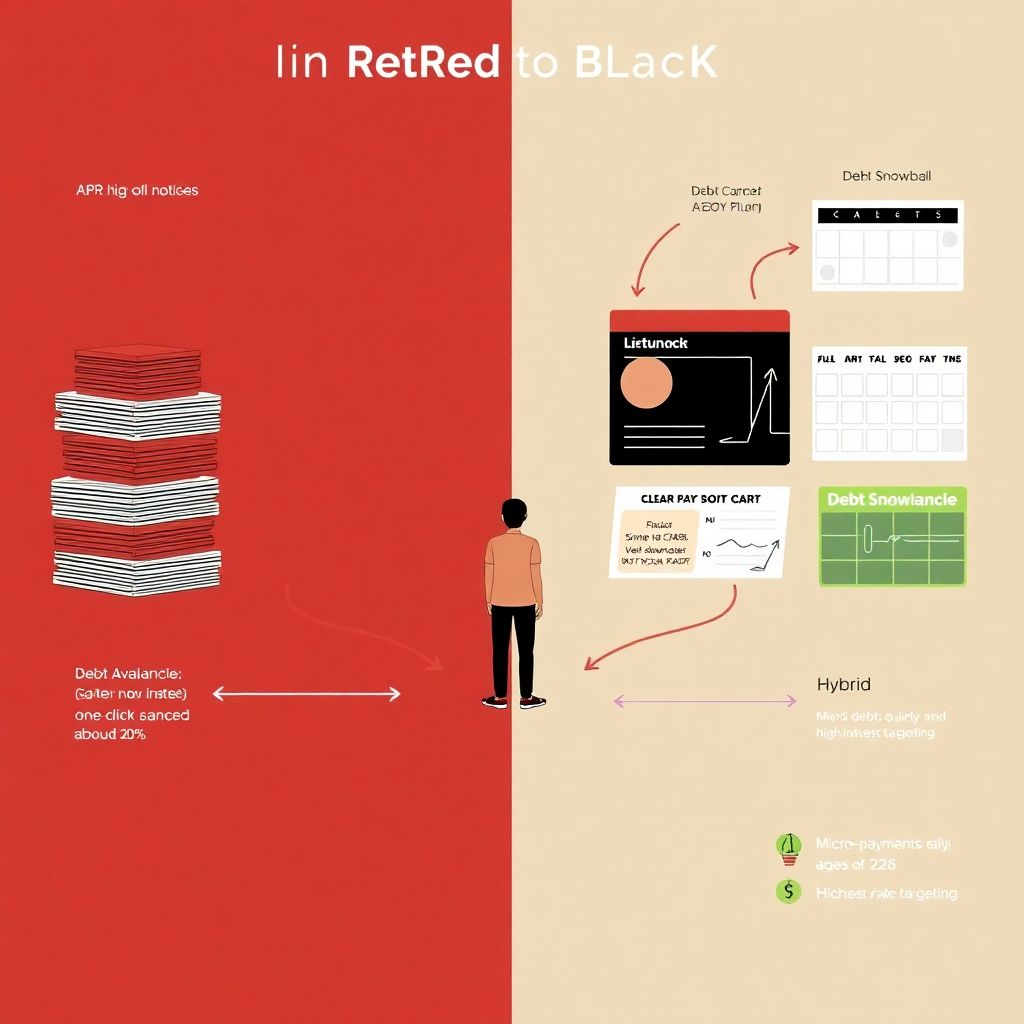
From red to black: step-by-step plan to get out of credit card debt fast
Why “From Red to Black” Matters More Than Ever in 2026 If your credit cards feel like a leaking boat you’re constantly bailing out, you’re not alone. According to the Federal Reserve, total U.S. credit card balances jumped from about $856 billion at the end of 2021 to roughly $986 billion by the end of…