

Why Your Credit Report Actually Matters
Think of your credit report as your financial “medical chart.” Lenders, landlords, insurers and sometimes employers peek at it to decide how risky you are. If there are errors, or if you simply don’t understand what’s in there, you can overpay for loans, get worse terms or face rejections that feel random. This guide walks you through the report line by line, in plain language, so you know what each section does in real life and how to turn that data into better borrowing power instead of just staring at confusing numbers.
Tools You Need Before You Dive In
You don’t need fancy software, but a few basics help a lot. First, get a free credit report check from each major bureau through the official US government–endorsed site, not a random ad. Download the report as a PDF so you can search and highlight. Have a simple spreadsheet or notes app ready to log account names, balances, credit limits, and due dates. Keep your ID and recent statements nearby for quick cross‑checks. If you use any paid credit report services, pull the raw report, not just the polished dashboard with scores and colorful gauges.
Meet the Main Sections of Your Credit Report
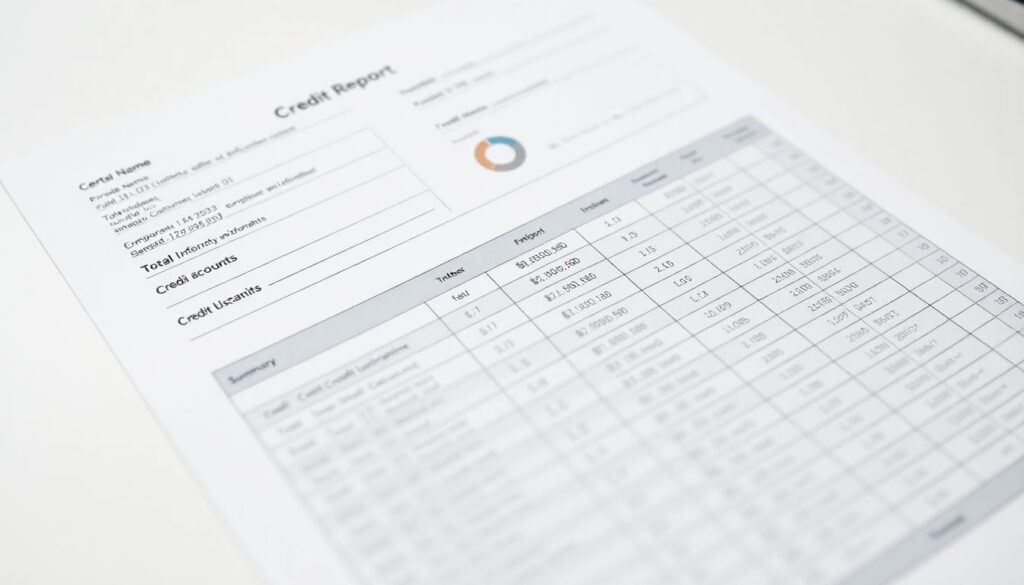
Every bureau formats things a bit differently, but the core structure is similar. At the top you’ll see personal information: names, addresses, employer data and sometimes phone numbers. Below that, there’s a summary of total accounts, utilization and negative marks. The heart of the file is your trade lines: credit cards, loans, mortgages, and their payment history. You’ll also find inquiries, both “hard” and “soft,” and public records like bankruptcies. Understanding which section is which is the first step to spotting patterns, especially if you’re trying to figure out how to improve credit score fast without guesswork.
Step 1: Verify Your Identity Details
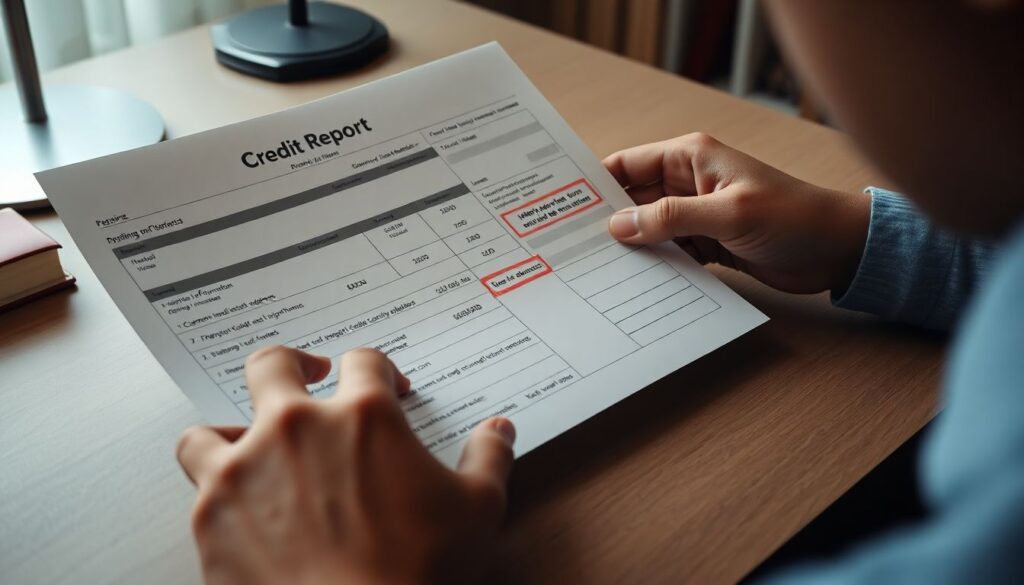
Start with the boring-looking personal info, because that’s where identity theft often leaves a footprint. Check every spelling of your name, current and previous addresses, and your Social Security number’s last four digits if shown. Old addresses are normal, but locations you’ve never lived at are a red flag. Mismatched employers or phone numbers can hint that someone else’s data has bled into your file. When you find something off, note the exact line and bureau. Later, you’ll reference those details in disputes, so capturing them now saves time and keeps your story consistent across all three reports.
Step 2: Decode the Account List
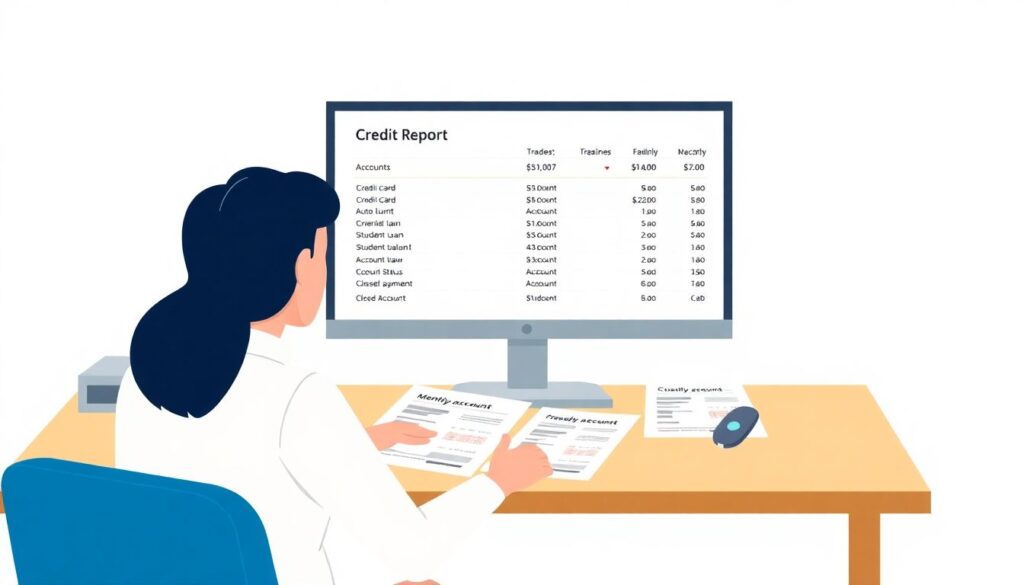
Next, move to the list of accounts. For each trade line, scan the type (credit card, auto loan, student loan), the current balance, the credit limit or original loan amount, the status, and the monthly payment. You want every open account to be something you actually recognize. Closed accounts should clearly look like past cards or loans you remember. Pay attention to utilization ratios: balance divided by limit. High utilization on one card, even if others are low, can drag your score down. Capture these numbers in your notes so you can track progress month by month.
Step 3: Read Payment History Like a Timeline
Payment history is usually displayed as a grid of months with codes like “OK,” “30,” “60,” or “90.” That’s the bank’s memory of how reliable you’ve been. Late entries within the last 24 months hit the hardest, while older ones gradually lose impact. Go line by line and see where the late marks start and stop. Verify them against your bank statements if anything feels off. If you were never more than a few days late, but the grid shows “60,” highlight that. Sorting real mistakes from painful but accurate history is crucial before you start writing dispute letters or goodwill requests.
Step 4: Understand Inquiries and Why They Matter
Inquiries look minor, but they explain sudden score drops. Hard inquiries appear when you actively apply for credit: cards, auto loans, mortgages, sometimes cell phone plans. Too many in a short window can signal desperation. Soft inquiries come from you checking your own file or from pre‑approval offers and don’t affect your score. Walk through each hard inquiry and ask, “Did I actually apply here?” If the answer is no, that could indicate fraud or sloppy data matching. Document suspicious pulls with dates and company names; that detail is exactly what bureaus require when you challenge them.
Step 5: Spot Red Flags and Patterns
Once you’ve toured every section, zoom out and look for themes instead of isolated numbers. Are late payments clustered around a job loss or medical event? Do you see one card with near‑maxed utilization while others sit nearly unused? Are there accounts from lenders you don’t recognize at all? These patterns direct your next moves: restructuring payments, asking for limit increases, closing unused cards strategically, or going into full fraud‑response mode. Treat your notes as a working document; you’ll use the same log to track outcomes as you negotiate with lenders and submit bureau disputes later.
Troubleshooting: When the Data Looks Wrong
If something clearly doesn’t belong—an account that isn’t yours, a balance that’s wildly off, a status marked “charged off” when you paid it—go into troubleshoot mode. First, confirm with your own statements or bank app that your version of reality is correct. Then, prepare a short, factual explanation: what’s wrong, what it should say, and supporting documents. File disputes with each bureau separately, using their online portals or certified mail for a paper trail. Keep screenshots and tracking numbers. This disciplined approach turns a vague complaint into a clean audit trail that’s much easier for investigators to process.
Troubleshooting: Handling Old Negatives and Collections
Old negatives are tricky because they may be accurate but still negotiable. For collections, start by confirming the debt: amount, original creditor, and date of first delinquency. If anything is missing or inconsistent, request validation from the collector in writing. Don’t acknowledge that the debt is yours until you’re sure; in some places you can accidentally reset the statute of limitations. If the data is right, consider negotiating a settlement that includes written confirmation of how the account will be reported. Some people lean on credit report repair companies here, but many of the same steps can be DIY if you’re patient.
Using Monitoring and Services Wisely
After you’ve cleaned up the basics, ongoing monitoring helps you catch problems early. Many banks and card issuers now bundle score tracking and alerts, but quality varies. The best credit report monitoring gives you frequent updates from at least one major bureau, alerts for new accounts and big balance changes, plus easy downloads of full reports. Standalone credit report services can be useful if they give you raw data and historical views, not just a single score. Whatever you choose, treat alerts as prompts to re‑read your report, not as noise to swipe away without investigating.
Everyday Habits That Support Your Report
Understanding the report is one thing; feeding it good data is another. The most powerful habit is simple: pay at least the minimum on time, every time, without exception. Second, manage utilization by aiming to report balances under about 30% of each card’s limit, and lower is usually better. Set calendar reminders a few days before due dates and statement cuts so you can nudge balances down. When you open or close accounts, think about how that move will show up next month. Over time, these small choices compound into a cleaner, more predictable credit history.
When and How to Ask for Help
If your situation feels overwhelming—multiple collections, identity theft, years of lates—it’s reasonable to bring in backup. Reputable nonprofit credit counseling agencies can help you build a payment plan and may negotiate better terms. If you’re considering commercial help, vet any company hard. Many flashy credit report repair companies promise miracles but mostly send boilerplate dispute letters you could write yourself. Look for clear pricing, no guarantees of specific score jumps, and a willingness to explain each step in detail. Remember, nobody can legally erase accurate negative data; they can only help you manage or correct it.
Turning Knowledge into Better Credit
Once you’ve gone through this process, your credit report stops being mysterious and becomes a dashboard you actually control. Revisit it every few months, or after big life changes like moving, refinancing or opening new cards. Use each update as a mini‑audit: confirm identities, scan accounts, review new inquiries, and measure progress in your notes. With consistent attention, you’ll see errors disappear, utilization improve, and old negatives age out. Over time, that discipline shows up as better offers, lower interest rates, and fewer surprises—and that’s the real payoff for learning to read your report with confidence.