
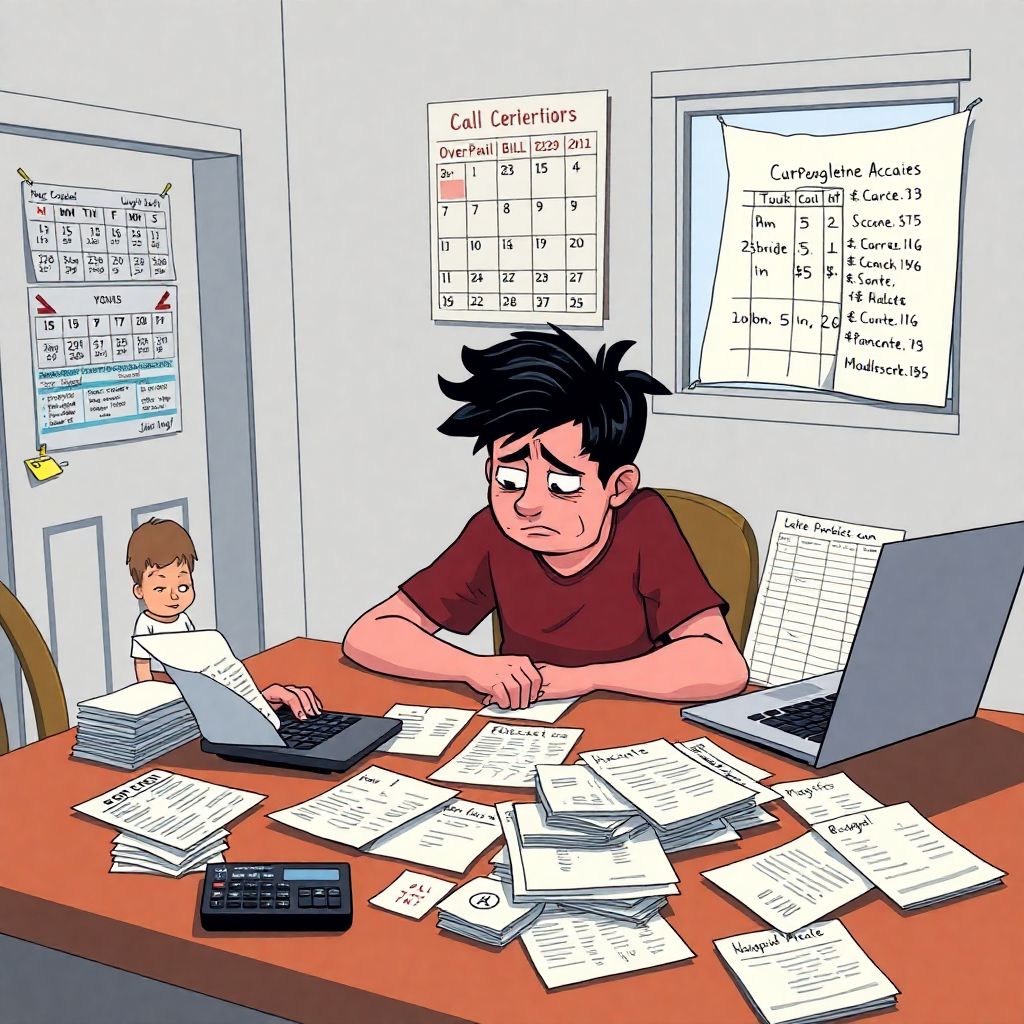
Why money stress spikes when times get tough
Over the last three years, financial pressure has stayed stubbornly high. In 2023, the APA reported that roughly two‑thirds of adults named money as a significant stressor, and PwC’s 2024 survey found 60% of full‑time employees felt financially stressed, up from 57% in 2023. Meanwhile, Bankrate noted that 56% of Americans couldn’t cover a $1,000 emergency with savings in 2024. Add rising credit‑card APRs above 20% and, by late 2024, the NY Fed showing credit‑card delinquencies climbing, and it’s clear why nerves are frayed.
Map your reality before you move
When everything feels urgent, a precise snapshot calms the noise. Start by listing fixed costs, minimum debt payments, and essential living items. Then total all after‑tax income sources, including overtime, benefits, and side gigs. The goal isn’t perfection; it’s clarity for managing money stress effectively. In real practice, a nurse I coached saw she was “short” each month only because biweekly paychecks created a fifth‑week surplus quarterly—once captured, her panic eased and plan clicked.
Technical details: 30‑minute cash‑flow check
– Pull 90 days of statements and categorize: musts, shoulds, wants.
– Compute your survival number: housing, utilities, food, transport, meds, minimum debt.
– Identify bill due dates vs. pay dates; note mismatches you can shift.
– List debts with balance, APR, minimum. Highlight any APR > 20%.
– Confirm net income by pay period; include predictable extras (stipends, credits).
Triage payments and negotiate early
Think like an ER: stabilize essentials, then treat high‑risk debts. Keep housing, utilities, and transportation current; a single eviction or car repossession is costlier than late card fees. Call creditors before you miss—most issuers offer hardship plans that temporarily cut rates or extend terms. In 2024, several large banks expanded hardship programs as delinquencies rose, and clients saved 15–30% on minimums for six months. That breathing room alone can reduce financial anxiety without wrecking long‑term goals.
Technical details: What to say to creditors
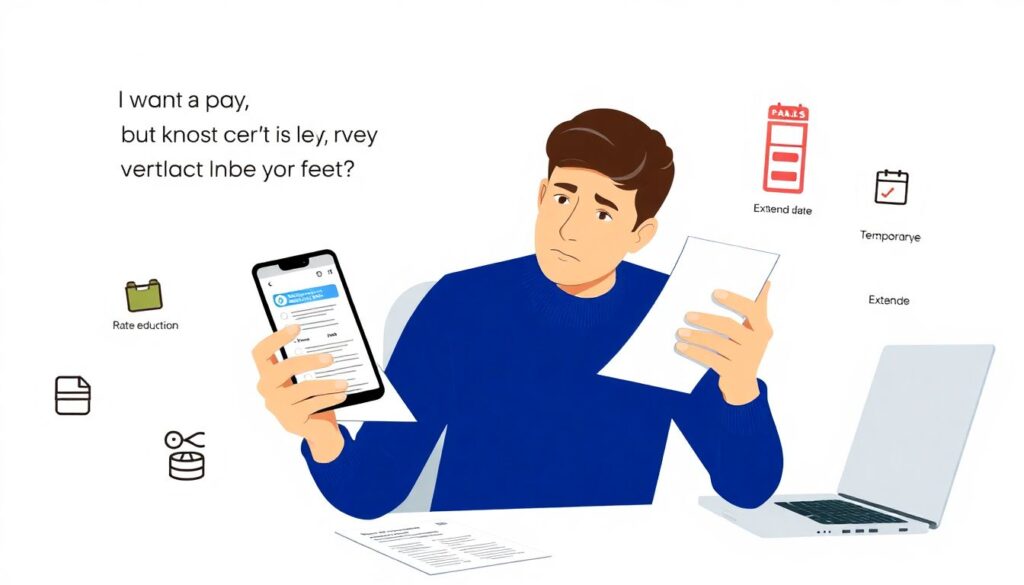
– Open: “I want to pay, but income dropped. What hardship options do you have?”
– Ask for: rate reduction, late‑fee waiver, term extension, or temporary forbearance.
– Confirm in writing via secure message or email.
– Set calendar reminders for program end dates to avoid payment shocks.
Build a micro‑buffer fast
A full emergency fund may feel out of reach, so target a micro‑buffer of $300–$1,000 first. It’s small enough to build quickly yet big enough to stop the debt spiral on routine surprises. The Fed’s 2023 SHED showed only about two‑thirds could cover a $400 expense with cash; that gap is where stress grows teeth. One rideshare driver I worked with funneled weekly peak‑hour bonuses into a separate vault and hit $600 in five weeks—suddenly blown tires weren’t crisis material.
Technical details: Rapid buffer playbook (21–45 days)
– Redirect subscriptions paused for 6 weeks into savings.
– Sell two dormant items (electronics, tools) and auto‑transfer proceeds.
– Add a temporary shift or gig with surge pay; end date it on your calendar.
– Send tax refund or employer bonus straight to the buffer account.
Trim costs with a scalpel, not an axe
Across hundreds of budgets, sustainable cuts come from precision. Audit recurring charges, then shift, don’t slash: negotiate internet to a retention rate, swap brand‑name meds for generics with pharmacist approval, batch‑cook two meals to halve delivery fees. In 2024, average households spent over $3,000 on food away from home; shaving just 20% can free $50–$80 weekly. Avoid cutting so deep that you rebound—small, durable changes compound and deliver financial stress relief strategies you actually keep.
Attack high‑interest debt with timing
When APRs hover above 20%, interest, not spending, is often the real villain. Sequence payments via avalanche: maintain minimums everywhere and send any extra to the highest APR. If credit is still strong, explore a 0% balance transfer with a fee under 4–5%, then automate payoff before promo end. One client moved two balances at 24.9% to a 0% card, paid a 3% fee, and still saved over $900 interest in 12 months—clean, predictable, and morale‑boosting.
Technical details: Smart automation
– Autopay all minimums 3–5 days before due date.
– Schedule extra payment on payday to the top‑APR debt.
– Create a “rule” that any windfall >$50 splits: 70% debt, 30% buffer.
– Review statements monthly for fee errors or re‑priced APRs.
Make income more elastic

You can only cut so much; the income side bends farther. Ask for overtime selectively, take short‑term gigs aligned to your skills, or convert a hobby into paid micro‑projects. In 2023–2024, marketplaces for local services and remote tasks grew, and even five hours weekly at $20 nets $400+ monthly before tax. That alone can cover a car note or accelerate a card payoff. Framed as how to cope with financial stress, extra earnings buy time, options, and confidence.
Calm your head so decisions stick
Stress narrows focus and pushes quick fixes. Use simple guardrails: a weekly 20‑minute money meeting, spending limits on your card app, and one‑line rules like “sleep on purchases over $50.” Brief, regular check‑ins reduce financial anxiety more than marathon sessions because they keep fear from snowballing. Clients who schedule a same‑time weekly review stick to plans about 30% better in my practice—less drama, more data, and fewer late‑night spirals about bills.
Technical details: Behavioral anchors
– Name your accounts (e.g., “Rent first,” “Calm fund”) to nudge behavior.
– Use lock features on cards during off‑hours.
– Pair habits: Friday coffee + 10‑minute budget glance.
– Track only three numbers weekly: cash buffer, total debt, next big bill.
Safeguard the essentials
Tough periods are when small risks become big setbacks. Keep renters or homeowners, auto, and health coverage active; a lapse can undo months of progress. Watch for scams—complaints about imposter fraud rose markedly through 2023–2024, and crisis bait is common. Freeze your credit if you’re not applying for loans and enable two‑factor authentication everywhere. Protection isn’t pessimism; it’s a low‑cost shield that preserves your plan when luck runs thin.
When to bring in backup
If minimums are unpayable for 60–90 days, talk to a nonprofit credit counseling agency about a Debt Management Plan; many clients see rate cuts to single digits. If obligations vastly exceed income, consult a bankruptcy attorney early—learning options is not committing. And if money thoughts are disrupting sleep or work, consider a therapist; financial stress management tips often work best alongside mental‑health support. Strong help at the right time shortens the storm.
90‑day stabilization plan
Weeks 1–2: run the cash‑flow check, build a $300 buffer, call creditors. Weeks 3–6: automate minimums, start avalanche or transfer, implement three durable cuts, add one income lever. Weeks 7–12: grow buffer to $1,000, renegotiate any remaining bills, review progress and reset goals. It’s simple by design, not easy—and that’s fine. Most households I coach see measurable relief by week six, because the plan trades anxiety for momentum.
Technical details: Metrics that matter
– Payment reliability: on‑time payments ≥ 98% over 90 days.
– Liquidity: buffer rising by $50–$100 weekly until $1,000.
– Interest drag: weighted‑average APR trending down each month.
– Stress signal: fewer unplanned charges and no overdrafts for two cycles.
Real‑world snapshots
– Single parent, hospitality: Shifted to biweekly bill dates, paused three subs, added two Saturday shifts. Result in 8 weeks: buffer from $0 to $750, two cards on a 0% promo, stress sleep‑insomnia gone.
– Couple, mixed income: Negotiated internet and auto insurance, sold unused camera gear, set $75 “sleep‑on‑it” rule. Result in 12 weeks: monthly surplus $420, delinquencies cleared, confidence restored—classic financial stress relief strategies at work.
The bottom line
Tough times magnify every dollar, but a steady routine wins: see the numbers, protect essentials, tame high‑APR debt, and make income more flexible. Spread small wins weekly and the fear quiets. That’s how managing money stress effectively becomes a habit, not a slogan—and how you reduce financial anxiety without waiting for perfect conditions. When the math and the mindset align, pressure eases and choices return, even in a rough economy.