
Why your transport budget keeps exploding
If you feel like your wallet empties out every time you leave the house, you’re not imagining it. Transport is one of the biggest flexible expenses in most households, often second only to housing. The good news: once you build a simple system for how to save money on transportation costs, the savings repeat every month with almost no extra effort. Think of it as designing “default” ways of moving around: which trips you combine, which ones you skip, which ones move to cheaper modes, and which car trips you keep because they truly matter. Instead of chasing every tiny discount, you’re going to set up a practical plan that attacks the three main drivers of spending: how often you travel, which mode you pick, and how efficiently you operate your vehicle if you own one.
Most people skip this planning step and just react: gas went up, pass got pricier, car service surprised them. Your job now is to switch from reacting to intentionally managing your commute and errands like a small logistics project.
Comparing different ways to get around
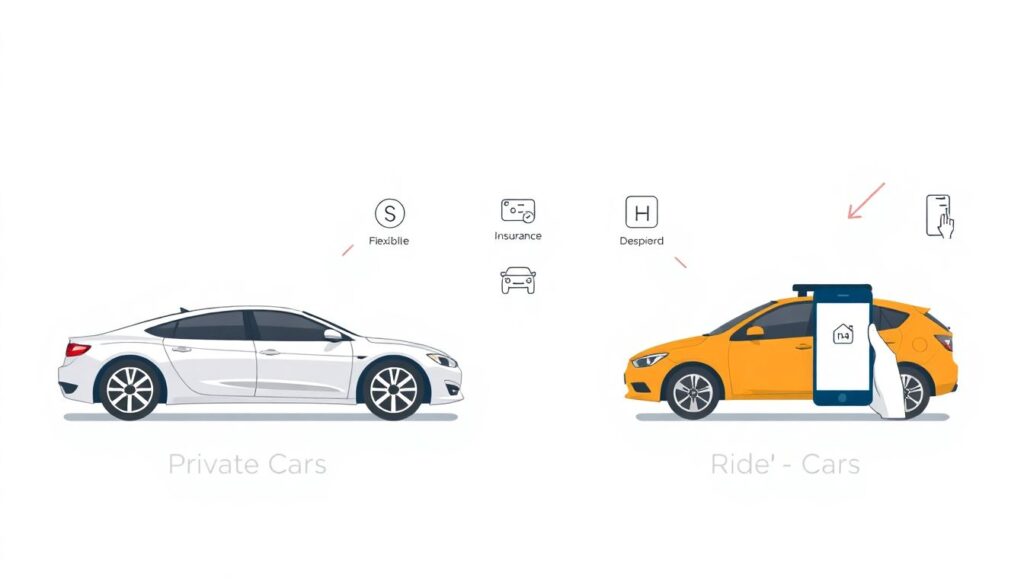
Let’s line up the typical options and treat them like tools in a toolbox rather than identities. Owning a car is flexible and comfortable, but it’s the most expensive by far once you add up fuel, insurance, depreciation, and maintenance. Car‑sharing and ride‑hailing add convenience without ownership headaches, but can quietly become costly if you use them daily. Public transport is usually the cheapest for medium and long distances, while walking and cycling cost almost nothing but depend heavily on distance, weather, and infrastructure. The best ways to reduce commuting expenses usually come from mixing modes: maybe train plus folding bike, or bus plus occasional car rental. When you compare, always total up the monthly cost, not just the visible ticket or tank of gas.
If a mode feels “free” because you already pay for it, run the numbers anyway; sunk costs hide a lot of waste.
Owning a car vs. everything else
People often ask about cost effective alternatives to owning a car without giving up freedom. In reality, you can often replace a full‑time car with a bundle: public transport pass, occasional weekend rentals, and a car‑share account for emergencies. For city dwellers, that combo can undercut ownership by thousands per year, especially as parking, insurance, and urban congestion charges rise. Suburban and rural areas are trickier, but even there you can downsize from two cars to one, structure your family schedule around that, and fill gaps with bikes, scooters, or coordinated errands. The key is to be honest about how often you truly need a car versus how much you like having it “just in case.” You pay a lot for that convenience shelf, and it might not be worth the full price.
If you’re not ready to give up a car, at least treat it like a shared asset: carpool, combine trips, and stop using it as your reflex for short distances.
Public transit and micromobility in daily life
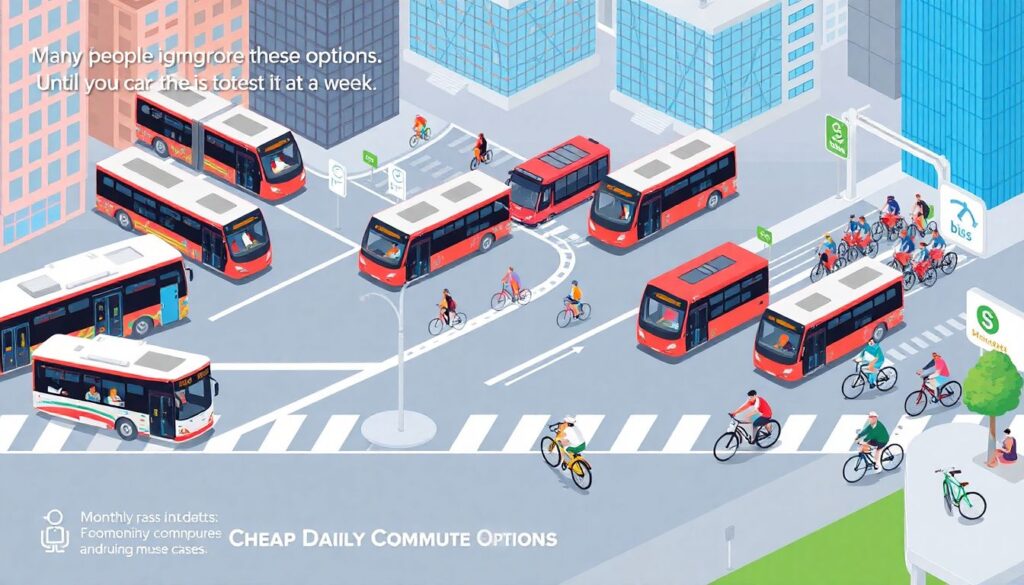
Many people dismiss buses, trams, and bikes until they actually test them for a week. Modern systems, especially in larger cities, can be surprisingly fast once you factor in parking and traffic. If you’re hunting for cheap transportation options for daily commute, start here: monthly passes, employer-subsidized tickets, or student discounts usually beat ad‑hoc tickets by a mile. Then layer in micromobility: bikes, e‑bikes, and e‑scooters. They shine on the “last mile” problem, linking your home to a transit hub at low cost and predictable time. Yes, there’s weather and safety to think about, but good lights, rain gear, and a clear route can transform how practical they feel. Micromobility turns “too far to walk, too close to drive” into an extremely cheap, reliable segment of your day.
If you’re unsure, run a one‑week experiment: commit to a transit‑plus‑bike combo and track both time and cost versus your usual drive.
Tech, apps, and vehicle choices: pros and cons
Let’s talk technology, because it can either save you a fortune or quietly drain it. Navigation apps help you avoid traffic, which directly affects how to lower fuel and car maintenance costs: fewer stop‑and‑go miles, less idling, less brake wear. Fuel‑tracking apps show which stations are consistently cheaper along your routine, so you don’t drive extra just for a small discount. Then there’s the vehicle itself. Hybrids and EVs slash fuel spending, but only pay off if you keep them long enough and have realistic charging access. Hybrids excel in mixed and city driving; EVs shine if you can charge at home or work at off‑peak tariffs. On the flip side, oversizing the vehicle—buying a big SUV when you commute alone—locks in higher costs on insurance, tires, and energy for years.
Tech‑heavy cars also come with pricier repairs. When comparing models, check not just MPG or range, but common service issues and typical insurance quotes.
Digital tools to manage your commute
Your phone can quietly become the center of your savings plan if you let it. Trip‑planning apps show multimodal routes, mixing bus, bike‑share, and walking in seconds; that’s how you uncover realistic, cost effective alternatives to owning a car in your specific city, not just in theory. Subscription management apps help you audit what you’re actually using: if your premium parking pass sits half empty each month, downgrade. Some employers now offer mobility budgets instead of parking spots; track every ride so you can prove that a transit pass or bike stipend would be more efficient for both sides. Even simple calendar blocking to cluster errands into one afternoon per week cuts random driving and impulse rides. Digital tools don’t save money automatically, but they make your new habits easier to stick to.
Aim for one rule: no trip gets taken without at least a quick mental check for a cheaper, realistic alternative.
A practical step‑by‑step plan for real savings
Here’s a concrete approach you can start this week. Day 1: list your recurring trips for a typical week—work, school runs, groceries, gym, social visits. Note distance, time window, and your current mode. Day 2: for each trip, brainstorm at least two alternatives: earlier or later departure to match a bus, cycling in good weather, splitting a ride with a neighbor. Day 3: pick the three most expensive trips (usually the commute and big weekly errands) and test the alternatives for one full week. Don’t just try once; you’re evaluating reliability and stress level as much as cash. Day 4–7: track spending: fuel, tickets, parking, tolls, and even coffee you only buy because you’re stuck waiting in traffic. At the end, lock in the options that cut cost without adding serious hassle, and schedule them in your calendar as the new default pattern.
Expect to adjust; the aim is a sustainable routine, not a perfect spreadsheet.
Weekly routine that keeps costs low
To keep your gains, set up a quick Sunday check‑in: glance at your week, bunch errands near existing routes, confirm transit schedules, and, if needed, arrange a carpool. Ten minutes of planning beats hours of random driving and guarantees your best ways to reduce commuting expenses stay in play instead of fading after a month.
What’s changing in 2025 and how to use it

Transport is shifting fast, and 2025 gives you new levers to pull. Many cities are expanding bus lanes, cycling networks, and integrated payment systems where one card or app covers trains, buses, bike‑share, and sometimes car‑share. That makes it much easier to mix modes without mental friction. Employers continue to lean into hybrid work, which is huge for anyone learning how to save money on transportation costs: even one or two remote days per week can cut your commuting bill by 20–40% if you plan around it. On the vehicle side, more affordable compact EVs and plug‑in hybrids are arriving, plus used models from earlier waves, widening access to cheaper‑per‑mile driving. At the same time, some regions are adding congestion and emissions fees for central areas, quietly making daily car trips more expensive and nudging you toward alternatives.
Keep an eye on local pilot programs—discounted passes, shared shuttle services, or employer‑subsidized e‑bikes. Being an early adopter of the right scheme often means locking in outsized savings.
Pulling it all together
Your practical plan doesn’t need to be fancy. Trim unnecessary trips, swap car journeys for public transit or micromobility where it makes sense, and tune the car you keep so it runs efficiently and lasts longer. Combine tech, new 2025 mobility options, and a bit of weekly planning, and suddenly your “fixed” commute costs aren’t fixed at all. Over a year, those changes can rival a pay raise—without working extra hours.