

Why financial literacy matters in nursing today

You care for patients under pressure, on rotating shifts, and often with overtime that swings from feast to famine. That reality makes money habits more, not less, important. Since 2023, costs have cooled but not vanished: U.S. CPI inflation eased from roughly 6% in 2022 to about 3–4% across 2023–2024, which still eats into paychecks. Meanwhile, the Bureau of Labor Statistics reported a May 2023 median annual wage for registered nurses near $86,000, with wide regional spreads. Put simply, the numbers say your income is solid but volatility and living costs demand a plan. Treat financial planning for nurses like a clinical protocol: assess, diagnose weak spots, intervene with systems you can run on autopilot, then review your metrics every quarter.
Historical context: how nurses learned to navigate money
A generation ago, many nurses entered the workforce with smaller student balances, stable hospital schedules, and pensions that did a lot of heavy lifting. Over the past decade, the mix changed: tuition rose, travel contracts boomed then normalized after the pandemic, and defined contribution plans replaced pensions for many. Since payments resumed in late 2023, student loans re‑entered monthly budgets just as overtime premiums softened in some markets through 2024. On the upside, policy shifts expanded student loan forgiveness for nurses via PSLF and the SAVE plan, while workplace 403(b)/401(k) access broadened. By early 2025, the playbook favors flexible cash reserves, smarter debt strategies, and benefits optimization instead of relying on a single employer promise.
Core principles nurses can trust
Start with cash flow clarity. Aim to consistently save 20% of net pay across goals, but during heavy overtime months push higher to buffer lighter stretches. Build a three‑to‑six‑month emergency fund, edging toward nine months if you travel or float to variable shifts. For debt, direct extra dollars to the highest interest first, while ensuring all federal loans remain in the most favorable income‑driven plan. Automate saving on payday so habits don’t depend on willpower after a night shift. For retirement planning for nurses, contribute at least to the employer match, then escalate one percent every quarter until you hit IRS limits (401(k)/403(b) limit $23,000 in 2025, plus catch‑up if 50+). Finally, protect income with adequate disability coverage; it’s the overlooked backbone of any plan.
Tools that make habits stick
Pick systems you can manage between charts and med passes. The best budgeting apps for nurses should sync bank accounts, handle irregular pay, and flag overspending before the weekend shift. Pair one app with a dedicated “bills” checking account and a separate “spending” card to prevent budget bleed. For debt, set calendar alerts for annual IDR recertification and employer PSLF forms; missing these can cost thousands. Consider a high‑yield savings account for your emergency fund, and a Roth IRA if you anticipate higher taxes later in your career. Keep an encrypted cloud folder with benefits summaries, insurance policies, and certifications so enrollment changes take minutes, not hours.
Student loans: decisive, evidence‑based moves
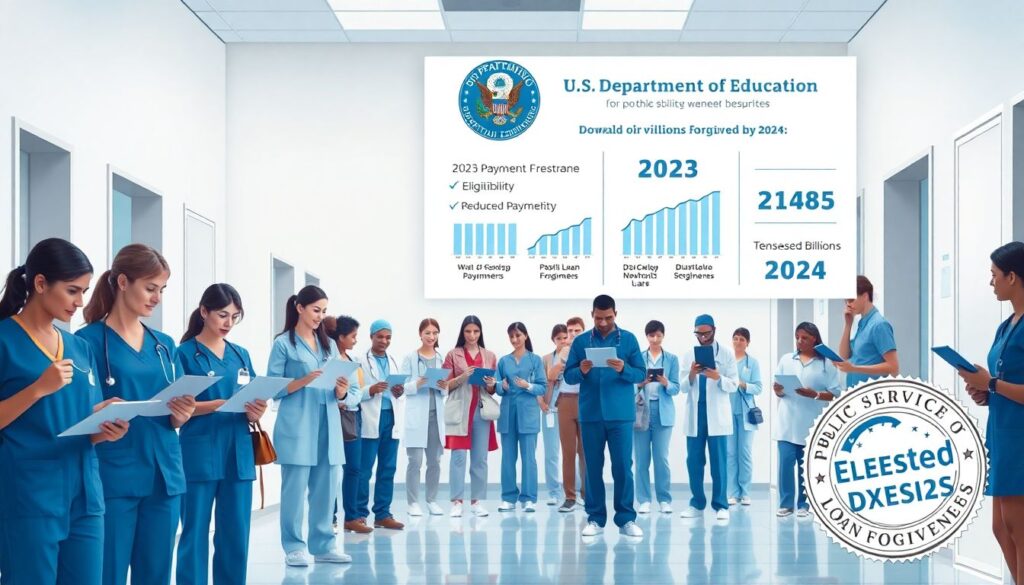
Since the 2023 payment restart, federal policy did two big things that matter on the floor: it broadened eligibility and reduced payments for many borrowers. The Department of Education reported tens of billions forgiven via PSLF by 2024, with healthcare workers heavily represented. If you work full‑time at a public or nonprofit hospital, prioritize PSLF—this is the most reliable student loan forgiveness for nurses. Enroll in SAVE if it lowers payments, certify employment annually, and track qualifying payments precisely. If you’re in a for‑profit clinic or travel role, run the numbers on student loan refinancing for nurses only if your loans are private or PSLF is off the table; refinancing federal loans kills federal protections, so confirm the trade‑offs before signing.
Retirement readiness without complexity
The market headlines may be noisy, but the rules are simple. Automate contributions each payday, invest broadly (low‑cost index funds often beat guesswork), and raise contributions after every raise or certification bump. From 2023 to 2024, markets recovered from earlier volatility, and many 401(k)/403(b) balances improved; staying invested mattered more than timing. If your employer offers a 403(b) with a match, capture it first, then add to an IRA, then return to the workplace plan up to the limit. Rebalance annually and keep a glide path that reflects your time horizon. A target‑date fund is a fine “set‑it‑and‑check‑annually” default when bandwidth is thin during back‑to‑back shifts.
Real‑world scenarios from the unit
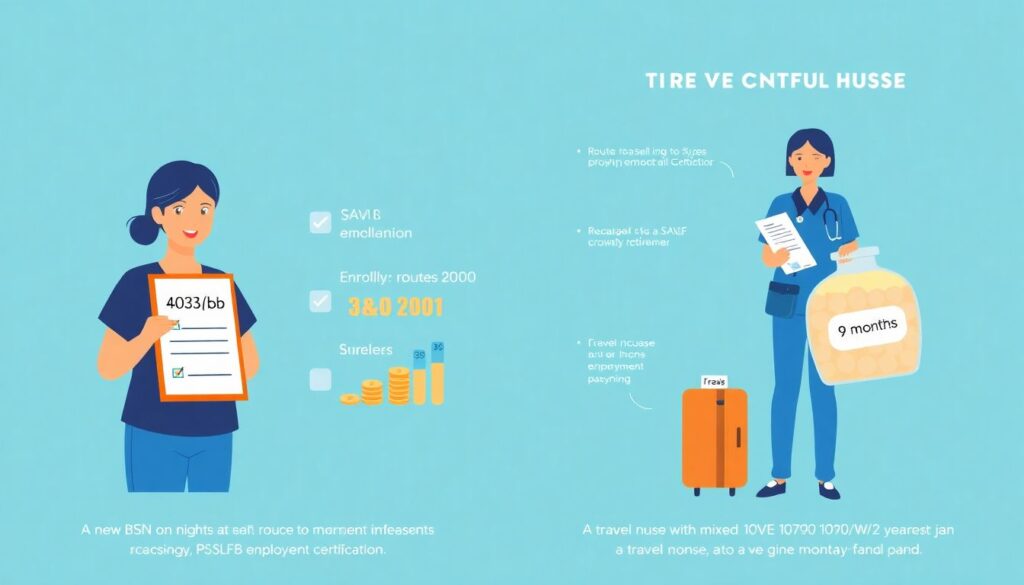
A new BSN on nights at a nonprofit hospital routes 8% to a 403(b), enrolls in SAVE, and files PSLF employment certification. Result: a manageable payment, growing retirement, and a clear 10‑year path to forgiveness. A travel nurse with mixed 1099/W‑2 income creates a nine‑month emergency fund, opens a solo 401(k), and sets quarterly tax estimates; cash stress drops even when contracts gap. A charge nurse in a for‑profit center, ineligible for PSLF, keeps federal loans on SAVE while income is variable, then explores refinancing once income stabilizes and an emergency fund is fully loaded. In each case, automation and periodic reviews do most of the heavy lifting.
Common misconceptions that drain wallets
“My income is high; I don’t need a budget.” High earnings without a plan become high spending. “Refinancing always saves money.” Not if you forfeit federal protections you’ll likely use. “PSLF is a myth.” Since 2023, approvals accelerated after rule fixes; it’s real for eligible nurses. “I’ll invest when I have more time.” The last three years showed that staying invested beat market timing; delay is the costliest risk. “Disability insurance is optional.” Your hands and back are your income—protect them. Replace these myths with lightweight routines you can keep even during twelve‑hour shifts.
Quick stats to anchor your next steps
From 2023 to 2024, inflation cooled to the 3–4% range, easing but not erasing cost pressure on essentials. BLS listed the May 2023 median RN wage around $86,000, with demand remaining strong through 2024 and into early 2025. Federal student loan payments restarted in late 2023; by 2024, cumulative PSLF relief surpassed tens of billions, demonstrating that consistent paperwork pays. IRS contribution limits in 2025 hold at $23,000 for 401(k)/403(b), with IRA limits at $7,000, giving nurses clear targets. Use these benchmarks to calibrate savings rates, stress‑test your budget, and lock in a routine that runs even when your schedule doesn’t.