

Why budgeting for childcare looks different in 2025
From postwar nurseries to the 1970s rise of dual‑income households and the 2020 pandemic upheaval, childcare spending has always mirrored the economy. After the “child care cliff” of 2023, many families in 2025 still juggle higher fees, limited spots, and shifting work patterns. That’s why solid childcare cost management isn’t optional; it’s survival. Treat it like a recurring, strategic investment: map costs by month, align with pay cycles, and review quarterly. Sprinkle in small buffers, and you’ll dodge surprise bills without derailing other goals.
Comparing budgeting approaches that actually work
Envelope and zero‑based: two classics, different muscles
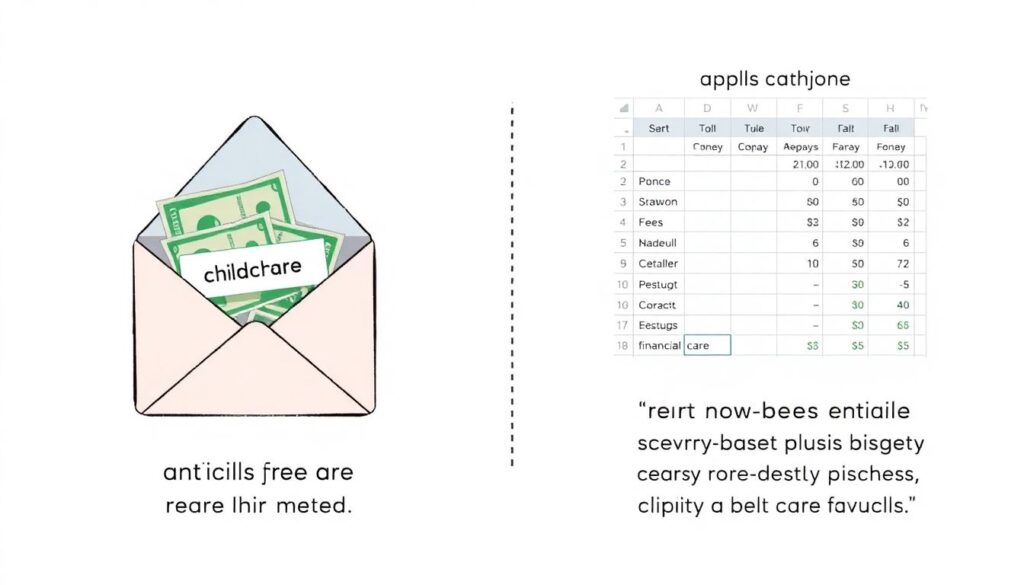
The envelope method caps what you can spend by physically or digitally “stuffing” childcare money at the start of the month; it’s great for discipline but rigid when schedules change. Zero‑based budgeting allocates every dollar a job, excelling at clarity across fees, copays, and backup care. If your costs fluctuate with overtime or seasonal camps, zero‑based gives control; if you overspend on extras, envelopes add brakes. Mix both: fixed fees in envelopes, variable items in a zero‑based plan.
Employer benefits vs. market rates
Some employers in 2025 offer stipends, Dependent Care FSAs, or reserved center slots. Benefits shrink taxable income and stabilize access, yet they may limit provider choice or vanish if you switch jobs. Paying market rates buys flexibility—nannies, co‑ops, or micro‑centers—while exposing you to price hikes. Compare total value, not just headline cost: travel time, waitlists, and backup policies can swing the real price. Document trade‑offs so your childcare expenses planning stays honest.
Co‑ops, in‑home care, and centers
Parent co‑ops are budget‑friendly and community‑driven but demand time. In‑home providers often balance affordability and warmth, though quality varies. Centers bring structure, extended hours, and accreditation, typically at a higher rate. For infants, in‑home care may offer better ratios; for preschoolers, centers might deliver stronger curricula. Trial weeks and reference checks cut risk. Rotate options seasonally—co‑op in spring, center in fall—to match schedules and save money on childcare without sacrificing stability.
– Quick comparison cues:
– Need flexibility? In‑home or nanny shares.
– Crave structure and hours? Accredited centers.
– Willing to pitch in? Co‑ops cut fees.
Tech tools: pros and cons you should weigh
Apps now automate invoices, attendance, and subsidy paperwork. Budget software tags childcare line items, forecasts camp spikes, and nudges you before drafts. Pros: fewer late fees, cleaner records for taxes and FSAs, and clearer forecasting for childcare budgeting tips. Cons: subscription creep, data privacy concerns, and the risk of overlooking human factors like caregiver fit. Keep exports in open formats, and audit permissions quarterly to avoid lock‑in or leaks.
– Smart tool stack:
– Budget app with envelope/zero‑based modes
– Calendar that shares with caregivers
– Receipt scanner for FSA substantiation
– Deal alerts for seasonal camps
Actionable recommendations for your plan
Start with a 12‑month map: base tuition, copays, camps, sick‑day backup, commuting, and gratuities. Set a 5–10% buffer for gaps. Align FSA contributions with known spikes, and front‑load deposits during bonus months. Negotiate: many providers discount autopay, sibling enrollment, or off‑peak schedules. Build a “backup bench” of sitters to prevent last‑minute premium rates. These childcare budgeting tips work best when reviewed every quarter with income and calendar changes.
Finding affordable childcare options without guesswork
Hunt locally but think creatively: sliding‑scale centers, faith‑based programs, campus labs, and city vouchers. Ask about half‑day blends with family care, or nanny shares timed with your commute. Factor travel: a cheaper center far away can cost more in fuel and lost hours. If you freelance, match bookings to providers with flexible hourly blocks. The aim isn’t the lowest sticker price—it’s reliable coverage at the best total cost over time.
– Negotiation angles to try:
– Prepay discounts or multi‑month commitments
– Referral credits with other families
– Switching to mixed schedules during slow work periods
Trends shaping 2025 decisions

We’re seeing more employers add childcare stipends, priority slots, and backup‑care networks. States expand pre‑K in phases, but availability is patchy, so waitlists matter. AI scheduling tools help parents and providers sync calendars and predict overtime costs. Micro‑centers in office parks reduce commute friction, while weekend coverage grows in service hubs. Use these shifts to anchor childcare expenses planning—reserve subsidized hours early, then layer flexible care around high‑demand weeks.
Putting it all together
Your childcare cost management should blend method and flexibility: envelopes for fixed tuition, zero‑based for variables; tech for visibility, human judgment for fit. Revisit the plan quarterly, negotiate twice a year, and lock backup care before busy seasons. With a realistic 12‑month forecast, targeted benefits, and a modular care mix, you’ll save money on childcare without losing sleep—or scrambling when plans wobble. Think in seasons, track in weeks, decide in days.