
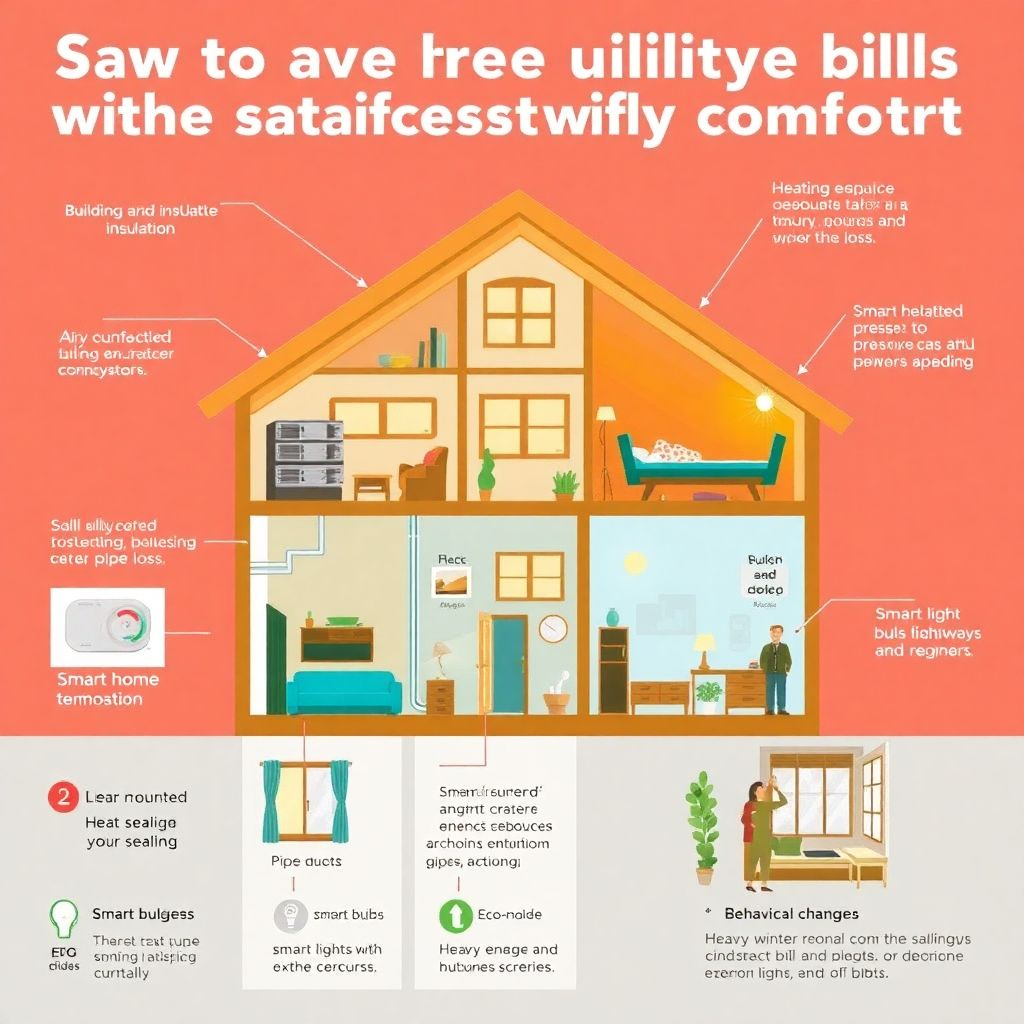
Saving on Utilities Without Feeling Deprived: Is It Really Possible?
Yes, it is. You don’t have to live in the dark, freeze in winter, or switch off every appliance to keep your budget under control. The real question isn’t just *how to save money on utilities without sacrificing comfort*, but how to build a system at home that quietly works for you every day.
Energy auditors, HVAC specialists, and building scientists all say roughly the same thing: comfort and low bills don’t conflict if you focus on efficiency instead of “suffering through it.” Let’s break down the main approaches, where they work, and where they don’t.
—
Two Core Strategies: Behavior Change vs. Smart Tech
1. Behavioral tweaks: the low-cost starting point
Behavior changes are the classic “turn off the lights” and “shorter showers” tips, but modern versions are a bit more strategic.
Experts who consult on *how to cut electric and gas bills and stay comfortable* usually start here because it’s cheap and shows quick results:
– Turning down the thermostat 1–2°C (about 2–4°F) in winter and up in summer
– Using heavy curtains at night in winter, light reflective shades in summer
– Running dishwashers and washing machines during off-peak hours if you have time-of-use rates
These steps don’t sound impressive, but they create a baseline of savings and help you understand where energy is actually leaking.
Pros (according to energy auditors):
– Almost zero cost
– Works in every type of home
– Can show measurable savings in the first month
Cons:
– Relies on discipline and habits
– Easy to “fall off” after a few weeks
– Doesn’t fix structural problems like poor insulation
If all you do is behavior change, your comfort might suffer a bit — which is exactly what we’re trying to avoid. That’s where technology and home improvements come in.
—
2. Technology & upgrades: making the home do the work
The second strategy is upgrading the “hardware” of your home so you don’t have to constantly think about energy. This is where *home energy efficiency products to save on utilities* step in: better insulation, LED lighting, efficient HVAC, and smart controls.
Energy consultants usually recommend mixing these two strategies. Habits give you quick wins; upgrades give you sustained, low-effort savings.
Pros:
– Once installed, savings are mostly automatic
– Can dramatically boost comfort (fewer drafts, more stable temperatures)
– Often qualifies for rebates or tax credits
Cons:
– Upfront cost varies from modest (LEDs) to significant (heat pump)
– Not every upgrade pays back quickly in every climate
– Requires a bit of research or professional guidance
If you’re asking *how to lower utility bills without sacrificing comfort* over the long haul, this “tech + minor habit” combo is where the biggest gains live.
—
What Actually Works in 2025: Expert-Backed Priorities
Start with the invisible: sealing and insulation
Almost every building scientist repeats the same line: “Insulation and air sealing first, fancy equipment second.”
Long paragraph: Proper insulation in the attic and walls, plus sealing leaks around windows, doors, and penetrations (cables, pipes, vents), drastically reduces the amount of heating or cooling your home needs in the first place. This means your existing furnace or AC doesn’t have to work as hard, and even if you later invest in a high-efficiency system, it will be correctly sized and more effective. From a comfort perspective, this translates into fewer cold spots, less “hot upstairs, freezing downstairs,” and fewer drafts that make you reach for the thermostat.
Short form: You pay to condition your air — so don’t let it leak straight outside.
Energy pros highlight three key targets:
– Attic and roof insulation
– Weatherstripping around doors and windows
– Sealing gaps around pipes, vents, and electrical boxes
This is boring work, but in terms of *best energy saving tips for home to reduce utility costs*, it’s at the top of serious experts’ lists.
—
Heating and cooling: the main lever on your bills
HVAC (heating, ventilation, and air conditioning) usually eats the largest slice of utility bills. If you want to trim expenses without feeling cold or hot all the time, start here.
Expert-backed recommendations:
– Service what you already have. A yearly tune-up, filter changes every 1–3 months, and proper duct sealing can cut waste dramatically.
– Consider a heat pump. Modern cold-climate heat pumps in 2025 are efficient even in lower temperatures and can both heat and cool your home. They often outperform traditional furnaces + AC combos.
– Zoned heating/cooling. Using multiple thermostats or smart vents lets you heat the rooms you use most, instead of the whole house.
An HVAC engineer will tell you: don’t oversize your system. Oversized units short cycle, waste energy, and ironically make you *less* comfortable because they don’t run long enough to dehumidify properly in summer.
—
Smart Home vs. “Dumb but Efficient”: Which Path Makes Sense?
Smart home devices to reduce energy bills: hype or helpful?
Let’s talk about the tech buzz. Smart thermostats, smart plugs, connected lights — they’re popular for a reason. Used correctly, *smart home devices to reduce energy bills* can automate savings that you’d otherwise forget.
Where smart tech really shines:
– Smart thermostats. They learn your schedule, use presence detection, and in many cases integrate with weather forecasts. This lets them shave off heating and cooling when you’re away or asleep without you constantly fiddling with settings.
– Smart plugs. Great for shutting off standby loads (TVs, gaming consoles, office equipment) overnight or when you leave.
– Smart lighting. Motion-based controls in hallways, bathrooms, and closets can stop lights from being left on for hours.
Energy specialists caution, though, that the device itself doesn’t guarantee savings. You need to actually use the features — scheduling, eco-modes, occupancy detection — to see real reductions.
—
Comparing approaches: smart gadgets vs. efficiency basics
If we simplify, there are two main investment paths:
– Path A: Smart gadgets first – Buy a smart thermostat, a few smart plugs and bulbs, track usage via apps.
– Path B: Building envelope and equipment first – Insulate, seal, upgrade major systems over time, then layer smart controls on top.
Experts mostly lean toward Path B for the biggest structural gains. However, if your budget is tight and you’re curious about data, Path A can be a good entry point.
Rough comparison:
– Smart gadgets = lower upfront per item, quicker to install, easier to see daily impact in apps, but limited if your home leaks energy.
– Envelope and HVAC upgrades = higher cost, deeper impact on comfort and long-term savings, but less “visible” day-to-day.
For *how to lower utility bills without sacrificing comfort*, think of smart tech as an amplifier. It works best when the foundation (insulation, efficient equipment) is already solid.
—
Lighting, Appliances, and Hot Water: The “Silent” Costs
Lighting: quick win with almost no downside
Swapping to LEDs is one of the simplest *home energy efficiency products to save on utilities*. They’re now cheap, widely available in warm, pleasant color temperatures, and many are dimmable.
– Use LEDs in the most-used rooms first (kitchen, living room, exterior lights).
– Consider motion sensors for garages and outdoor security lights.
You preserve the same brightness and comfort while slashing the electric use — no sacrifice needed.
—
Appliances and hot water: smarter operation beats constant “saving mode”
Washing machines, dryers, dishwashers, and water heaters are big energy players, but you don’t need to obsess over every cycle.
Energy experts recommend:
– Full loads. Whether it’s laundry or dishes, running full loads is one of the most underrated *best energy saving tips for home to reduce utility costs*.
– Lower water temperature where reasonable. Many water heaters are set higher than necessary; discuss safe minimums with a professional, especially if you have young children (safety first).
– Heat pump water heaters. For some households, they dramatically reduce electricity use, especially if installed in a basement or garage where they can also provide a bit of dehumidification.
Again, the goal isn’t to deny yourself hot showers. It’s to make each kWh or cubic meter of gas do more useful work.
—
How to Choose the Right Measures for YOUR Home
Step 1: Understand your current usage
Before you spend money, spend some time on your utility bills and maybe a cheap energy monitor.
Look for:
– Seasonal patterns: Do bills spike in winter, summer, or both?
– Fuel breakdown: How much is gas vs. electricity?
– Time-of-use pricing: Are there expensive peak hours when shifting usage could help?
If you want structured guidance on *how to cut electric and gas bills and stay comfortable*, many utilities in 2025 offer free or discounted home energy audits, sometimes even virtual ones using your historical data.
—
Step 2: Prioritize by impact and comfort
A practical sequence many experts suggest:
1. Low-cost fixes and habits. Weatherstripping, LED bulbs, basic thermostat scheduling.
2. Air sealing and insulation. Particularly the attic and any obvious drafts.
3. HVAC tune-up or upgrade. When your current system is old or inefficient, explore heat pumps or high-efficiency units.
4. Smart controls. Add in the smart thermostat, plugs, and lighting when they can manage already-efficient systems.
This staged approach lets you see savings at each step and avoids throwing money at tech that’s masking bigger issues.
—
Step 3: Match tech to your lifestyle
Not every gadget fits every household. When choosing *smart home devices to reduce energy bills*, think about:
– Schedule. Are you home all day or in and out? Smart thermostats help most when occupancy varies.
– Tech comfort level. If you hate apps and Wi‑Fi setups, focus on “set and forget” hardware like insulation and efficient equipment.
– Home size. Large, multi-story homes often benefit more from zoning and smart controls than studio apartments.
The best changes are the ones you’ll actually live with, not just install and ignore.
—
Trends in 2025: What’s New and Actually Useful
1. Smarter, more adaptive thermostats and meters
By 2025, many new thermostats and utility meters are more networked and “aware”:
– They can integrate with dynamic electricity tariffs, adjusting heating or cooling slightly to avoid the worst price spikes.
– Some provide personalized insights like “your heating is 20% above similar homes; check insulation or windows” instead of generic tips.
Used well, these tools make *how to lower utility bills without sacrificing comfort* more of an automated background process and less of a daily chore.
—
2. Heat pumps going mainstream
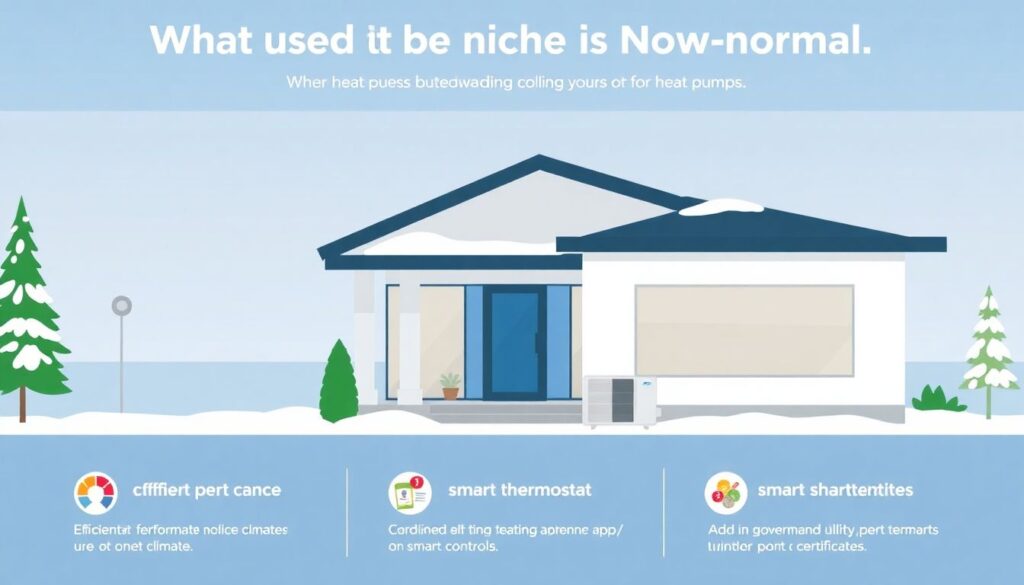
What used to be “niche” is now normal. Modern heat pumps:
– Work efficiently in colder climates than older models
– Provide both heating and cooling in one system
– Play nicely with smart controls for further optimization
Governments and utilities in many regions are still offering incentives, making them a central focus when people explore *how to save money on utilities without sacrificing comfort* over the next 10–15 years.
—
3. Integrated home energy ecosystems
You’ll see more bundled systems: solar panels paired with home batteries, EV chargers, and smart panels that decide when to run heavy loads. While this is a bigger leap in complexity and investment, the long-term goal is simple: use cheaper, cleaner energy when available and minimize peak demand.
For now, most households don’t need a full ecosystem, but it’s useful to know where the market is headed. The smaller steps you take today — efficient equipment, smart controls, better insulation — will still fit into that future if you decide to go further.
—
Putting It All Together: A Comfort-First Savings Plan
To wrap it up in practical terms, here’s a realistic, comfort-friendly approach many experts would sign off on:
– Stop wasting heat and cool first. Seal and insulate so your home stays at a stable, cozy temperature.
– Tune and right-size your systems. Efficient HVAC and water heating do more with less energy.
– Automate the easy wins. Use smart thermostats, basic smart plugs, and good scheduling to take human forgetfulness out of the equation.
– Fine-tune your habits, not your lifestyle. Shift laundry times, adjust thermostats a couple of degrees, and avoid leaving things running for no reason — without giving up comfort essentials.
If you approach *how to lower utility bills without sacrificing comfort* as a design problem instead of a self-denial challenge, the changes feel a lot less painful — and a lot more permanent. The goal isn’t to live in a colder, darker home; it’s to live in a home that wastes less while feeling just as good, or better, than it does today.