

Who debt collectors really are and why they contact you
Debt collectors aren’t movie villains; they’re businesses hired to recover overdue accounts, often for pennies on the dollar. That incentive shapes their tactics: frequent calls, quick settlement offers, and pressure to act fast. Beginners often panic, ignore calls, or overshare. A calm, documented approach works better. Start by confirming who owns the debt, the balance, and any added fees. Ask for everything in writing before you say yes or no. If a collector sounds friendly, remember: they’re measured by recovery, not your comfort. Treat each conversation like you’re building a paper trail for a future dispute—dates, names, amounts—so you control the narrative instead of reacting to theirs.
– Common beginner mistakes:
– Paying before verifying the balance or ownership
– Admitting liability casually during a phone chat
– Letting fear rush them into unaffordable agreements
Real cases that show what actually happens
Case 1: Maya kept getting calls about a gym contract she never signed. She calmly requested written details, then used a debt validation letter template. The collector couldn’t produce the original agreement, and the file vanished. Case 2: Jamal owed a card issuer from 2019. A new agency demanded a lump sum. He asked for itemization and dates, discovered the debt was close to time-barred, and negotiated a low monthly plan without restarting the statute. Case 3: Priya tracked every call and text, then filed a complaint when calls continued at 7 a.m. The pressure stopped, and she received written terms she could actually review before agreeing.
Your first 30 days: documents, calls, and breathing room

The first month sets the tone. Ask for validation in writing immediately, then wait. Don’t promise, don’t pay, and don’t argue by phone. If calls become overwhelming, use your right to request they stop—send a written notice to stop debt collector calls while you evaluate. Use a precise debt validation letter template to require the collector to prove the account details and their right to collect. Meanwhile, grab your credit reports to compare balances and dates. If the paperwork is messy, push back. If it’s clean, consider your budget before any deal. Remember: written offers beat verbal promises every single time.
– Paperwork to request and save:
– Account owner, balance breakdown, fees, last payment date
– Collector’s name, mailing address, license or registration (if applicable)
– Any settlement terms sent by email or letter
Non-obvious solutions that change the balance of power
Small moves matter. Ask for a full itemization and check for junk fees or interest that your original contract never allowed. Compare dates against your state’s statute of limitations; if the debt is time-barred, you can refuse to pay and avoid restarting the clock by not making small “good faith” payments. If you’re open to a deal, learn how to negotiate with debt collectors: lead with your hardship, anchor low, and request removal of “settled” language from future reporting. Record call times in a log; patterns of early morning or incessant calls can become leverage for written-only communication. Always get agreements in writing before sending a single dollar.
Alternative methods when straight payment isn’t realistic
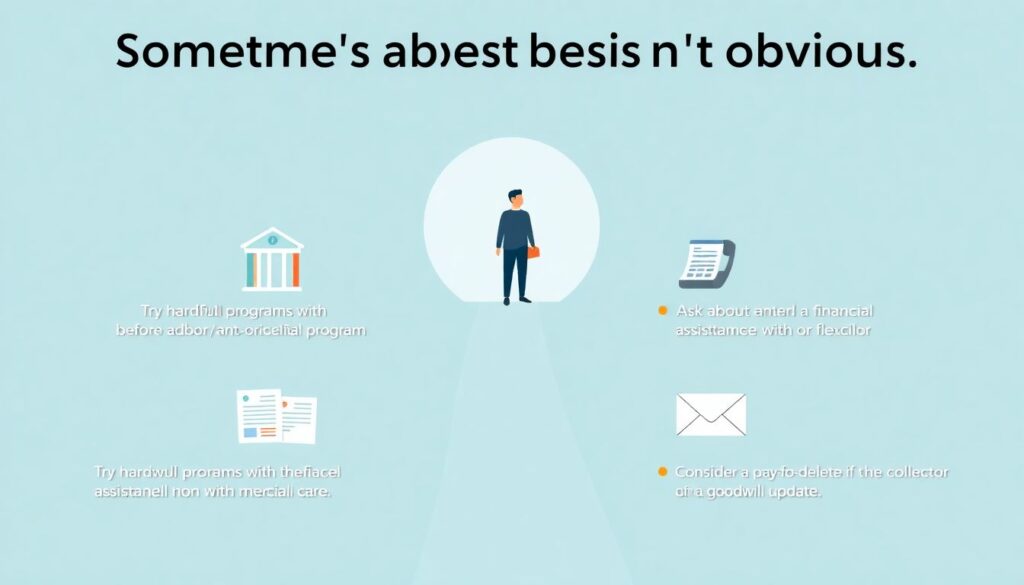
Sometimes the best path isn’t obvious. Try hardship programs with the original creditor before negotiating with the collector, especially for medical bills—ask about financial assistance or charity care. Consider a pay-for-delete attempt if the collector is flexible, or a goodwill update after a steady payment track record; it’s not guaranteed, but it’s won before. If the tone turns hostile, search “debt collection lawyer near me” to understand local rules and options. You can also file a complaint with the CFPB or your state regulator to nudge a reluctant agency toward clarity or fair terms, which often gets you a faster, more careful response.
– Backup channels that create pressure:
– CFPB or state AG complaints with your call logs attached
– Original creditor escalations for billing errors or duplicate accounts
– Credit bureau disputes when data doesn’t match documentation
Pro-level lifehacks for lasting peace (and better deals)
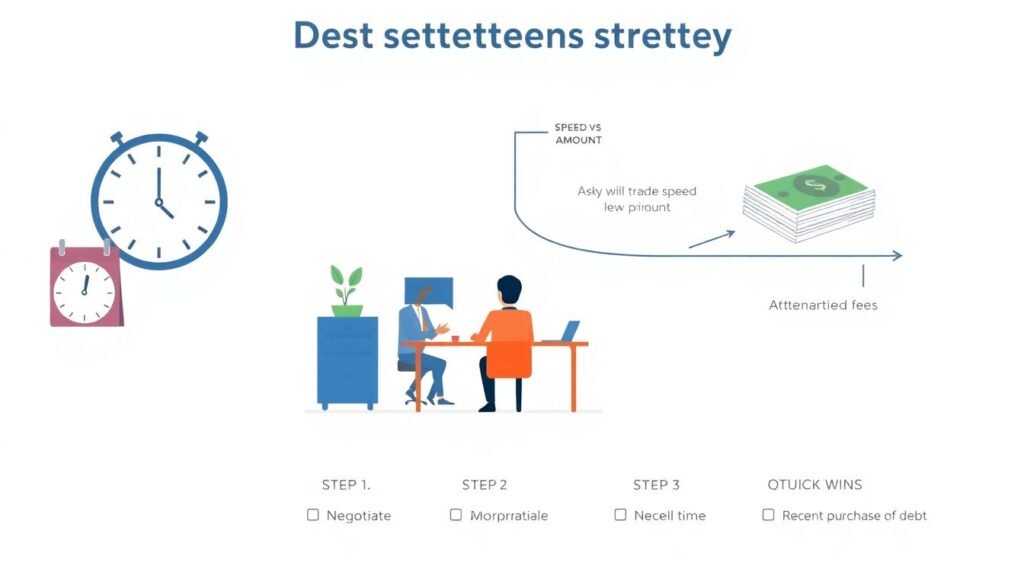
Think in ratios and timing. Aim to settle when collectors bought the debt recently but still want quick wins—many will trade speed for a lower amount. If you plan to settle debt with collection agency teams, ask for removal of interest and fees first, then negotiate principal. Offer lump sums from a separate account; never grant live access to your main bank. Set payment dates right after your paycheck clears to avoid accidental overdrafts. Keep a single email thread for all written terms to prevent “we never said that” amnesia. And if talks stall, pause, regroup, and send a fresh written proposal—clarity beats pressure every time.