

A beginner-friendly budget that actually sticks focuses on three things: knowing your exact income, covering true needs first, and assigning every remaining dollar a job. Use a simple zero-based budget, review it weekly, and rely on low-friction tools so it works even when you budget on a low income.
Budget Essentials at a Glance
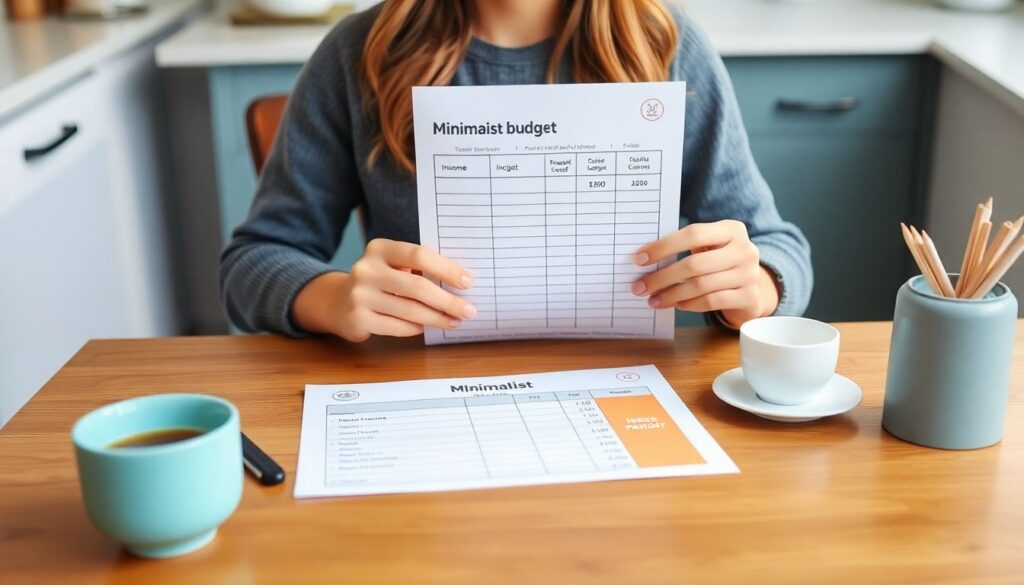
- Track only three core numbers at first: total take-home income, total fixed bills, and current minimum debt payments.
- Use a simple budget plan to get out of debt by funding needs first, then minimums, then one focused extra payment.
- Keep categories lean: housing, utilities, food, transport, debt, small savings, and a tiny fun budget.
- Review once a week for 10-15 minutes to adjust, not to judge yourself.
- Choose one of the best budgeting apps for low income families or a free spreadsheet; avoid switching tools every month.
- Automate what you can (rent, savings, minimum payments) so your budget survives busy or stressful weeks.
Assess Your True Income and Fixed Expenses
This approach is for people who want beginner budgeting tips that actually work and are willing to look honestly at their numbers. Skip it only if your income is completely unpredictable week to week and you cannot estimate a safe average yet.
- List all reliable income sources. Include paychecks, benefits, child support, and side gigs you receive regularly after taxes.
- Calculate safe monthly income. If income varies, use the lowest normal month from the last 3-6 months as your base.
- Write down every fixed bill. Rent, minimum debt payments, phone, internet, insurance, subscriptions, and any regular childcare.
- Convert non-monthly bills to monthly amounts. For example, a $120 car registration once a year becomes $10 per month.
- Total your fixed expenses. Compare this number to your safe monthly income to see how tight your situation is.
- Flag anything non-essential in fixed bills. Streaming services, premium app plans, or memberships can be paused to create room.
- Next: Write your reliable take-home income at the top of a page or spreadsheet.
- Next: Under it, list and total all fixed monthly expenses.
- Next: Mark any bill that could be reduced, paused, or cancelled within 30 days.
Prioritize Spending: Needs, Wants, and Debts
Before learning how to create a realistic monthly budget, gather a few basic tools and define your must-pay costs. This keeps the process concrete instead of emotional.
- Have your last 1-2 bank statements handy. They show your real spending, not what you think you spend.
- Choose a tracking tool. Use paper, a simple spreadsheet, or one of the best budgeting apps for low income families such as a no-fee, no-frills option.
- Define your needs categories. Typically: housing, utilities, basic food, basic transport, medicine/health, and minimum debt payments.
- Define your wants categories. Eating out, entertainment, subscriptions, gifts, and non-essential shopping go here.
- Rank your debts by priority. Decide whether you will focus extra money on the smallest balance (snowball) or highest interest (avalanche).
- Set one small stress-relief category. Even $10-$20 per month for coffee or a treat makes the budget easier to stick to.
- Next: Highlight every “need” transaction on your last statement with one color.
- Next: Highlight every “want” transaction with a different color.
- Next: List all debts with balance, minimum payment, and interest rate on one page.
Build a Lean Zero‑Based Budget Template
Use this section as a simple budget plan to get out of debt and stay current on bills. Prepare a few items before walking through the steps.
- Write your safe monthly income at the top of a page or in a new spreadsheet tab.
- Decide on 7-12 total categories; fewer categories make it easier to manage on a low income.
- Have your minimum debt payment amounts visible so you do not guess.
- Keep a basic calculator open (phone or computer) to avoid math mistakes.
- Plan 30 quiet minutes without distractions to set this up once.
-
Start with your total take-home income.
Write one number at the top: your safe monthly income. This is the pool of money you will fully assign to categories.
-
Subtract housing and essential utilities first.
Assign amounts for rent/mortgage, electricity, water, and basic phone/internet needed for work or school. Subtract these from your income.
- Example: Income $2,000; rent $1,000; utilities $200; remaining $800.
-
Fund basic food and transport.
Budget a realistic but lean amount for groceries and necessary gas or transit passes. Use past statements to avoid underestimating.
- Example: Groceries $300, transport $100; remaining from $800 becomes $400.
-
Cover minimum payments on all debts.
List each debt and assign at least the minimum payment so you avoid late fees and credit damage.
- If minimums do not fit, contact lenders to request hardship plans or reduced payments.
-
Set a tiny starter emergency line.
Even on a low income, reserve a small amount (for example, $10-$25 per month) for unexpected needs like co-pays or bus fare.
-
Assign every remaining dollar a job.
Split what is left between one focused extra debt payment, a small sinking fund (e.g., school clothes), and a small fun category.
- Goal: Income minus all categories equals zero, with no money left unassigned.
-
Create a simple tracking view.
For each category, add three columns: Plan, Spent, and Left. Update only once or twice a week to keep it manageable.
- Next: Re-check your math so income minus expenses equals exactly zero.
- Next: Circle one debt where all extra money will go this month.
- Next: Print or save your budget where you will actually see it (fridge, wallet, or phone home screen).
Set Achievable Savings and Emergency Targets
Instead of chasing big, unrealistic goals, build savings slowly in a way that works when you are learning how to budget on a low income.
- Confirm all minimum payments are funded before savings. This prevents late fees that erase your progress.
- Pick a tiny automatic savings transfer. Start with the smallest amount you truly will not miss, then raise later.
- Separate emergency savings from spending money. Use a different bank account or a digital envelope to reduce temptation.
- Define what counts as an emergency. Car repair, medical co-pay, or essential appliance; not sales, gifts, or takeout.
- Set a first target you can hit in a few months. Think “one small bill’s worth” instead of a large, abstract number.
- Link savings to specific stress points. For example, a small annual fund for back-to-school, holidays, or car registration.
- Pause extra debt payments briefly if needed. In a very fragile situation, a small emergency cushion can be safer than faster payoff.
- Review savings progress monthly. Adjust the transfer up or down based on how your real cash flow felt.
- Next: Choose one emergency-only account and rename it in your app so its purpose is clear.
- Next: Schedule an automatic transfer on payday, even if it is very small.
- Next: Write down your first emergency savings goal and when you expect to reach it.
Habits and Tools to Keep the Budget Working Week to Week
Sticking with a plan is about habits, not perfection. These points focus on preventing common mistakes that break beginner budgets.
- Skipping weekly check-ins. Ignoring your numbers for weeks makes you feel lost and more likely to give up.
- Using too many apps at once. Switching tools frequently is a silent way of starting over instead of improving.
- Budgeting as if every month is perfect. Forgetting about school events, holidays, or renewals leads to overdrafts.
- Not recording cash spending. Cash is easy to lose track of; log it the same day in your chosen tool.
- Under-budgeting groceries and gas. If you always overspend here, raise the budget and cut somewhere less essential.
- Leaving no “flex” category. A small miscellaneous line can catch surprises without wrecking the whole plan.
- Not involving other adults in the home. Shared spending needs shared rules; otherwise, the budget leaks.
- Letting one bad week cancel the whole month. Treat misses as information, then adjust amounts instead of quitting.
- Next: Pick one tool (app, notebook, or spreadsheet) and commit to it for at least 60 days.
- Next: Block 10-15 minutes every week on your calendar as a non-negotiable money check-in.
- Next: Add a small “flex” category to your budget if you do not already have one.
Monthly Adjustment and Accountability Checklist
There is no single right answer for how to create a realistic monthly budget. These options show different ways to adjust and stay accountable as your life changes.
- Solo written review. At month-end, compare Planned vs Spent for each category, then adjust next month’s numbers based on reality.
- Partner or friend check-in. Share your simple budget plan to get out of debt with someone you trust and review progress together once a month.
- App-based alerts and rules. Some of the best budgeting apps for low income families offer low-balance alerts and category warnings that keep you on track quietly.
- Cash-envelope variant. For problem areas like restaurants or shopping, use cash or prepaid cards to create hard limits without changing your whole system.
- Next: Decide which accountability style fits your personality: private, shared, app-based, or cash-based.
- Next: Put your next month-end review date in your calendar today.
- Next: Choose one category to experiment with (cash, tighter limit, or extra tracking) next month.
Practical Concerns Answered Quickly
How can I budget if my income changes every week?

Base your budget on the lowest “normal” income month from the last few months, then treat any extra income as a bonus for savings or debt. This keeps your core bills and needs covered even in weaker weeks.
Should I save money or pay off debt first on a low income?
Fund minimum payments and a very small emergency cushion first, then put extra toward one priority debt. Without a small cushion, one surprise expense can force you to use high-interest credit again.
How detailed should my categories be as a beginner?
Keep them broad: housing, utilities, food, transport, debt, savings, and a few wants. Too much detail makes tracking overwhelming and does not make the budget more effective at the start.
What if my partner will not follow the budget?
Start with the bills and income you control directly and keep your part of the plan consistent. Then, invite your partner into a short, non-blaming monthly review focused on shared goals like less stress or getting out of debt.
How do I stop overspending on food and takeout?
Set a combined limit for groceries plus eating out, plan 1-2 easy low-effort meals each week, and track these categories more often than others. If you always blow the limit, raise it and cut somewhere less important.
Can I use credit cards while I am trying to get out of debt?
If possible, stop new spending on cards and use them only for true emergencies until you have a small cash cushion. Using cards for points usually backfires when you are still building basic habits.
How long before my budget starts to feel natural?

Most people need a few months of practice and adjustment. Expect the first two or three budgets to be “test runs” and judge success by showing up weekly, not by perfection.