

A focused 90 day financial plan to stop living paycheck to paycheck combines three things: a ruthless cash-flow review, quick cost cuts, and a simple, repeatable paycheck to paycheck budgeting plan. In 12 weeks you will build a starter buffer, automate bills, launch a debt payoff strategy to break paycheck to paycheck cycle, and boost income.
90-Day Financial Sprint: Core Focus Areas
- Capture a 48-hour baseline of every inflow and outflow to see why you are living paycheck to paycheck.
- Cut or pause non-essentials within 14 days and renegotiate key bills to free cash fast.
- Build a 30-day emergency buffer before aggressive debt payoff or new investments.
- Automate bill payment and savings rules so money moves without constant willpower.
- Target high-interest balances first with a clear, written debt payoff strategy to break paycheck to paycheck cycle.
- Grow income through quick wins: overtime, skill-based gigs, and targeted negotiations.
Rapid Baseline: Map Your True Cash Flow in 48 Hours
This section is for anyone asking how to stop living paycheck to paycheck who still cannot clearly answer: “Where did my last month’s money go?” You should not do deep optimization yet if your income is uncertain week to week or you are in immediate crisis (eviction, utilities shutoff). Stabilize urgent needs first.
Over the next 48 hours, your only objective is to see reality, not to be perfect or to judge yourself.
- Pull the last 60-90 days of transactions. Download statements from checking, savings, and credit cards. If possible, export to CSV so you can sort by amount and category.
- Group spending into 5-7 simple buckets. Examples: Housing, Utilities, Food, Transport, Debt, Subscriptions, Everything Else. Avoid over-categorizing; keep it manageable.
- Calculate your average month. For each bucket, total spending and divide by number of months. Compare the sum to your average net income to see any shortfall or surplus.
- Mark “must pay” vs “flexible” items. Rent, basic utilities, minimum debt payments, and essential transport are “must pay.” Eating out, streaming, and impulse shopping are “flexible.”
- Spot top 3 cash leaks. Sort by total or frequency and highlight the three categories you can reduce first within 14 days.
If you want a tool, pick the best budgeting app to stop living paycheck to paycheck for your style: one that connects to your bank, supports simple categories, and shows upcoming bills vs. income on a calendar.
Immediate Fixes (Days 1-14): Stop Cash Leaks and Free Up Income
To execute the early part of your 90 day financial plan to stop living paycheck to paycheck, you will need a few simple tools and access points:
- Access to financial accounts
- Online logins for checking, savings, credit cards, and any personal loans.
- Ability to change due dates or auto-pay settings where allowed.
- A tracking and planning tool
- Spreadsheet, notebook, or a paycheck to paycheck budgeting plan template.
- Optionally, a budgeting app with alerts for low balance and upcoming bills.
- Communication channels
- Phone and email to contact landlords, utility providers, and lenders.
- Scripts or notes to ask about hardship programs, fee waivers, and rate reductions.
- Calendar and reminders
- Digital calendar to map paydays, bill due dates, and weekly money reviews.
- Reminders two days before every payment to avoid late fees.
- Separate “buffer” account
- Free online savings account at a different bank than your main checking, to reduce impulse transfers.
- Nickname it clearly (for example, “30-Day Safety Buffer”).
With tools ready, you can now focus on immediate, safe changes: pausing subscriptions, tightening food costs, and sequencing payments so essentials are covered before non-essentials.
Stabilize Month 1: Build a 30-Day Emergency Buffer and Prioritize Bills
- Create a strict 30-day survival budget. Using your baseline, list only essential categories needed to get through the next month safely.
- Target: trim total spending so that at least a small amount each paycheck can go to a buffer.
- Write the new amounts next to what you actually spent last month.
- Sequence bills around paydays. Align due dates with income where possible.
- Call creditors or utilities to move due dates closer to paydays.
- Create a simple calendar showing: Payday → Bills paid that day → Amount left for variable spending.
- Fund a starter 30-day buffer. Aim to hold at least one month of essential expenses in your separate buffer account.
- Start by auto-transferring a small, fixed amount from every paycheck, on payday.
- Direct any windfalls (tax refunds, bonuses, gifts) to this buffer until it is full.
- Prioritize late or at-risk bills. List any accounts already behind or close to disconnection.
- Contact each provider, explain your situation, and ask for payment plans or hardship options.
- Pay enough to stop late fees or collections before increasing payments elsewhere.
- Set clear spending rules for the month. Decide in advance how much can be spent weekly on food, gas, and “everything else.”
- Use cash envelopes or app-based category limits to enforce these caps.
- Once a category is empty for the week, pause until the next payday.
- Schedule a weekly 15-minute money review. Same time each week, review actual vs. planned spending.
- Adjust the next week’s plan if you overspent in any category.
- Celebrate every small increase in your buffer, even if it is modest.
Fast-Track Mode: 30-Day Stabilization in 4 Moves

- Freeze non-essentials today: pause subscriptions, eating out, and impulse buys for 30 days.
- Cover essentials first: housing, utilities, basic food, transport, and minimum debt payments only.
- Auto-move a small amount each payday into a separate buffer account, no exceptions.
- Weekly reset: 15 minutes to compare plan vs. reality and tighten one category.
Systemize Month 2: Automate Allocations, Track Variances, and Enforce Rules
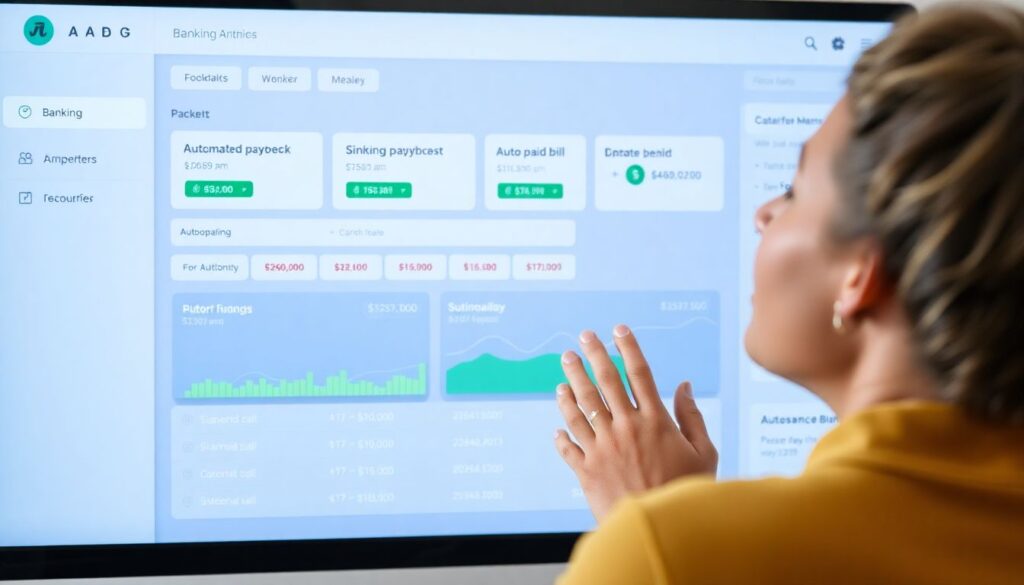
Use this checklist to confirm that your system, not your willpower, is now doing the heavy lifting.
- You have automatic transfers from each paycheck into your buffer and any sinking funds (for example, car repairs, annual bills).
- Essential bills (rent, utilities, insurance) are paid automatically or are scheduled on or right after paydays.
- Your budgeting tool or spreadsheet shows actual spending vs. planned spending by category each week.
- You review “variances” (over/under) weekly and adjust the next week’s amounts instead of giving up.
- Cash or card-based category limits are in place for food, gas, and flexible spending.
- Your paycheck to paycheck budgeting plan is written down: paydays, amounts to bills, amounts to buffer, and amounts to debt.
- New debt is not increasing: credit card balances are stable or shrinking, not growing.
- At least one small “joy” line item exists so the plan is sustainable without constant deprivation.
- You have a simple rule for extra money (for example, 50% to buffer, 50% to debt) and you follow it.
Debt Trench for Month 3: High-Impact Paydowns and Interest Reduction
Common mistakes at this stage can undo earlier progress. Avoid the following when designing your debt payoff strategy to break paycheck to paycheck cycle:
- Attacking debt aggressively before your 30-day buffer is solid, leaving you exposed to the next emergency.
- Paying extra on many debts at once instead of concentrating on one priority balance while making minimums on others.
- Ignoring interest rates and focusing only on small balances when a high-rate card is costing you more.
- Closing old credit lines too quickly after paying them down, which can affect your utilization and flexibility.
- Using new balance transfer offers without a realistic payoff timeline and plan for fees.
- Letting emotional guilt drive your choices instead of a clear, written payoff order.
- Skipping communication with lenders about hardship, income changes, or potential rate reductions.
- Celebrating by overspending the moment one card is paid off, instead of rolling that payment into the next debt.
Income Acceleration Tactics: Fast Wins, Negotiations, and Scaling Side Income
Once spending is under control, additional income can radically speed your 90 day financial plan to stop living paycheck to paycheck. Consider these alternative paths depending on your skills and time:
- Short-term boost at your current job. Overtime, extra shifts, or short-term projects work well if you already have stable employment and can increase hours without risking burnout.
- Skill-based freelancing or gig work. Use existing skills (design, coding, tutoring, delivery) when you need flexible hours and can start earning quickly with minimal setup.
- Structured raise or promotion plan. If you have been in your role for a while, focus on a 60-90 day improvement plan plus a documented case for a raise or promotion.
- Small, scalable side business. Suitable once your schedule and basic finances are stable; think simple, repeatable services before complex product-based businesses.
90-Day Action Snapshot: Weekly Focus and Targets

| Week | Primary Focus | Key Tasks | Owner | Measurable Target |
|---|---|---|---|---|
| Week 1 | Baseline & Survival Plan | Download statements, group spending, identify top 3 leaks, draft 30-day survival budget. | You | Know average monthly income vs. spending; list of 3 cash leaks. |
| Week 2 | Immediate Cuts & Bill Sequencing | Pause subscriptions, tighten food spending, align due dates with paydays. | You | Free any amount of cash per paycheck; all essentials tied to paydays. |
| Week 3 | Starter Buffer Funding | Open separate buffer account, set automatic transfers from each paycheck. | You | First transfer completed; buffer balance is > 0. |
| Week 4 | Stabilize Essentials | Contact at-risk creditors, set payment plans, confirm no shutoff or eviction risk. | You | All critical bills have a plan; no new late fees. |
| Week 5 | Automation & Tracking | Turn on auto-pay where safe, set up budget app or sheet for weekly tracking. | You | System shows plan vs. actual spending by category. |
| Week 6 | Refine Categories | Adjust category limits; add small joy spending line to avoid burnout. | You | No overspend in essentials; at least one “fun” line within budget. |
| Week 7 | Debt Strategy Setup | List debts, interest rates, minimums; choose payoff order. | You | Written debt list with clear first target. |
| Week 8 | Interest Reduction | Call lenders for rate reductions; evaluate safe consolidation or transfer offers. | You | At least one rate lowered or clear decision on consolidation. |
| Week 9 | Focused Extra Payments | Send all freed-up cash to priority debt while maintaining buffer. | You | Priority balance decreasing week over week. |
| Week 10 | Income Quick Wins | Pick and start 1-2 short-term income tactics (overtime, gigs, freelancing). | You | First extra income payment received. |
| Week 11 | Scale What Works | Extend highest-earning, most sustainable income tactic; refine schedule. | You | Consistent extra income each week or pay period. |
| Week 12 | Review & Lock In System | Review 90 days, update targets, decide next 90-day focus (debt, saving, investing). | You | No reliance on new debt to cover basics; written plan for the next quarter. |
Typical Roadblocks and Tactical Responses
What if my income is too inconsistent to plan by month?
Plan around your lowest predictable income, not your best months. Use a weekly budget anchored to actual deposits, and build a small buffer in your checking account before sending money to longer-term savings or debt.
How do I choose a budgeting app that will actually help?
Pick the best budgeting app to stop living paycheck to paycheck for you by testing: bank sync reliability, simple category setup, and clear upcoming-bills view. If an app feels confusing in the first week, switch to a simpler option or a spreadsheet.
Should I pause retirement contributions while breaking the paycheck-to-paycheck cycle?
If covering essentials and building a basic buffer is a struggle, a temporary pause or reduction can be reasonable. Set a specific date or milestone to restart so the pause does not become permanent.
What if my partner is not on board with the changes?
Focus on shared goals (less stress, more choices) rather than blame. Propose a 30-day experiment with small, agreed rules, then review how it felt. Avoid micromanaging your partner; instead, set joint categories and personal “no-questions” money.
How can I handle emergencies during the 90-day plan?
Use the buffer first, then adjust upcoming spending to rebuild it. If you must use credit, treat the new balance as your next priority in the debt plan. Record what happened and refine your categories to better anticipate similar costs.
What if I slip and overspend one week?
Do not restart from zero. Shorten the next week’s variable spending to compensate and keep all automatic transfers and bill payments intact. Review why it happened and change one rule or trigger, not the entire plan.
When do I know I am no longer living paycheck to paycheck?
When your essentials are covered without new debt, you have at least a month of core expenses in a buffer, and unexpected costs do not immediately trigger panic or borrowing, you have effectively broken the paycheck-to-paycheck pattern.