Inflation is when most prices slowly rise over time, so the same amount of money buys a little less than before. For kids, the clearest way to explain inflation is with concrete actions: compare old and new prices, track pocket money, and role‑play shopping across different “years.”
Inflation at a Glance for Young Minds
- Inflation means prices go up and money buys less stuff than before.
- It usually happens slowly, not all at once in a single day.
- Kids notice it when snacks, games, or bus fares cost more than last year.
- Savings need to grow (earn interest) just to keep up with rising prices.
- Simple shop role‑plays make a financial literacy for kids inflation lesson easy to grasp.
- Short activities and “then vs. now” comparisons beat long theory-heavy lectures.
Common Misconceptions Kids Have About Prices
Before giving a simple explanation of inflation for students, clear up a few myths. Kids often believe prices are fixed “forever,” or that adults can just decide any price they want. Others think prices only change when something is “on sale,” not as part of a bigger pattern over time.
A second misconception: children may believe more money automatically makes you richer, even if prices rise at the same time. If their allowance goes from 5 to 6 dollars but their favorite snack also goes up in price, they might miss that their real buying power barely changed.
Many also think price changes are always bad or always good. In reality, small, steady inflation is normal in most economies, while sudden big jumps are the real problem. Helping kids see “slow drift” versus “big spike” keeps the idea concrete and less scary.
Quick activity to surface myths
- Ask: “Will a candy bar cost the same when you are 20?” Have students vote and explain why.
- List their reasons on the board (e.g., “stores choose,” “candy gets better”).
- Circle ideas that mention time or money buying less, and say: “These are where inflation comes in.”
What Inflation Actually Means: A Kid-Friendly Definition
- More money, similar stuff: When there is more money in people’s hands but about the same amount of goods and services, prices tend to rise.
- Prices move together: Inflation is not just one item getting more expensive; it is many everyday things costing more around the same time.
- Money’s power shrinks: The key idea in what is inflation explained for kids is that the power of each dollar falls. One dollar used to buy a whole snack; later it might buy only half.
- Happens over time, not overnight: Families usually notice inflation across months and years when their regular shopping bill creeps up.
- Not every price, every day: Some things can get cheaper (like older game consoles) even while most other prices slowly climb.
- Small numbers still matter: Even tiny price increases build up. A few cents more each year can turn into a much higher cost by the time kids are adults.
Micro-lesson script (2 minutes)
“Imagine last year your 1 dollar bought a full chocolate bar. This year, the same bar costs 1 dollar and 10 cents. Your dollar now buys less chocolate. That shrinking power of money is inflation. Prices climbed, but your single dollar stayed the same.”
Everyday Metaphors: Candy, Balloons, and Price Tags
Metaphors make a financial topic feel real. When you plan how to teach kids about inflation with examples, tie it to objects they already know: candy, balloons, and the price tags they see in stores or online game shops.
-
Candy shrink-and-swap
Say: “Your dollar is like a ticket for candy.” When inflation happens, the candy bar “shrinks” or the price tag grows. The ticket did not change, but what you get in return is smaller. Show two candy bars: one big (past), one small (present) for the same price. -
Balloon full of money power
Picture each dollar as a tiny balloon filled with “buying power.” As inflation rises, each balloon slowly leaks air. You still hold the same number of balloons, but they are not as strong; they cannot lift as many toys or snacks as before. -
Price tag race
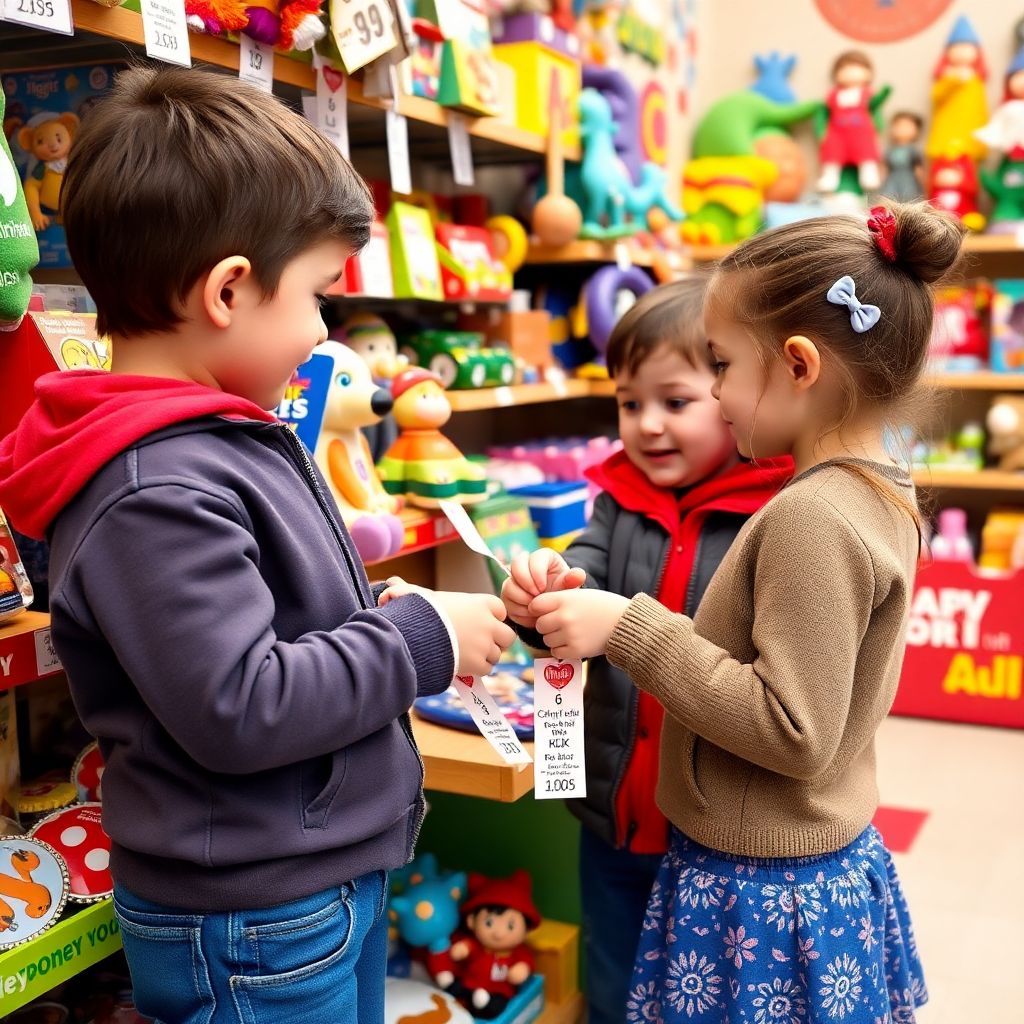
Place two price tags on the board: “Old Price” and “New Price.” Draw a little runner (your money) trying to keep up. If wages or allowance do not rise as fast as the price tag, the runner falls behind-that gap is how kids feel inflation in daily life. -
Video game coins versus store money
Explain that when game creators change how many coins you earn per level or how much items cost in their shop, that is like inflation inside the game. It helps bridge to real stores and real-world price changes.
Mini-activity using metaphors
- Give kids two drawn price tags for the same toy: “Year 1: $5,” “Year 3: $7.”
- Ask: “What happened to the toy? What happened to your money balloon?”
- Have them answer in one sentence: “The toy did not change much, but my money balloon lost power.”
Real-Life Examples: Allowances, Groceries, and Game Credits
Kids understand inflation fastest when they see it in their own money decisions. Use their allowance, grocery trips, and game credits as anchors. This turns a simple explanation of inflation for students into something they can feel and measure, not just recite.
Helpful ways to illustrate inflation in daily life
- Allowances over time
Track what a weekly allowance could buy last year versus this year. If the allowance stayed the same but favorite treats cost more, kids see that “same money” now buys “less fun.” - Grocery basket comparison
Save a photo or list of a usual grocery basket, then compare the total bill a few months later. Focus on 3-5 repeat items (milk, bread, snacks) to show how a familiar basket gets pricier. - Game credits and in-app prices
If a game skin used to cost 100 coins and now costs 120 coins, kids see that what they earn per level has less power. Link this to how real-world items can also “cost more coins” than before.
Limits of these kid-friendly examples
- Short time windows can be noisy: Sales, shortages, or new versions of products may raise or lower prices for reasons other than inflation.
- One item is not the whole story: A single snack or game does not represent all prices. Explain that real inflation talks about “most everyday things,” not just one candy bar.
- Kids might confuse quality changes: If a toy improves or a game adds features, higher prices are not only about inflation; part of the cost pays for better quality.
- Local changes versus big trends: A shop near school might raise prices due to rent or supply problems; that is not always the same as overall inflation in the whole country.
How Inflation Changes Saving and Spending Behaviour
Once kids grasp the basics, connect inflation to their choices about saving and spending. This is where a financial literacy for kids inflation lesson becomes practical and helps them build healthy money habits early.
- Mistake: Thinking cash under the pillow is “safe forever”
Explain that hiding money in a jar means it slowly loses power if prices rise. Safer does not always mean stronger; eventually, the jar money buys less than it did when they first saved it. - Mistake: Spending quickly “before prices go up”
Some kids may want to spend all their money right away. Teach that smart saving plus earning interest can help their money keep up with inflation instead of racing against it in panic. - Mistake: Ignoring small price changes
Children often ignore a few cents difference. Show that small increases, repeated many times, change what they can afford over a school year. - Mistake: Believing higher allowance always means richer
Walk through an example where allowance rises a little, but snack and bus prices rise more. Ask: “Do you truly get more, or are you just catching up?” - Mistake: Confusing inflation with “things getting better”
Higher prices can come from better quality, from inflation, or both. Help students separate “more features” from “same thing, just more expensive,” so they do not blame or praise inflation for everything.
Short discussion prompt
“If prices keep rising slowly, is it better to (a) spend all your money now or (b) make a plan to save and grow some of it? Why?” Have learners answer in one sentence, then compare answers as a group.
Hands-On Activities and Short Scripts to Teach Inflation
To design strong inflation activities and worksheets for elementary students, focus on simple numbers, quick role‑plays, and visuals kids can draw themselves. Below are ready-to-use formats you can copy into slides, worksheets, or a whiteboard.
Activity 1: Two-Year Candy Shop Role-Play
- Set up a pretend shop with one item: a candy bar. Write: “Year 1 price: $1.” Give each child $3 in play money.
- Ask: “How many bars can you buy?” (Answer: 3.) Let them “buy” and record it.
- Change the sign to “Year 2 price: $1.50.” Keep their money at $3.
- Ask again: “Now how many bars?” (Answer: 2, with some money left over.) Write on the board: “Same $3, less candy.”
- Explain: “That change, with many prices over time, is inflation. Your money’s power shrank.”
Script you can say
“Last year, three dollars felt huge-three candy bars! This year, with higher prices, the same three dollars buy only two bars. The number on the bills did not change, but their power did. That power shrinking over time is what adults call inflation.”
Activity 2: Allowance and Snack Chart
- On the board, draw a two-column chart: “Year A” and “Year B.”
- Write: “Allowance: $5” under both years. Then write: “Snack price: $1 (Year A), $1.25 (Year B).”
- Ask students to calculate: “How many snacks can you buy in each year?”
- Have them color or mark the difference (5 snacks vs. 4 snacks with some change).
- Conclude: “Same allowance, fewer snacks. That is inflation changing what your money can do.”
Activity 3: Game Credits Inflation Story
- Tell a short story: “In a game, you earn 10 coins per level. A cool skin used to cost 100 coins, now it costs 120 coins.”
- Ask: “How many levels did you need to play before? How many now?”
- Have students write a one-sentence summary: “In the game, prices went up, so my coins lost power.”
- Connect this to real life: “Sometimes real stores do the same thing; the ‘coin cost’ of items goes up.”
Activity 4: Build-Your-Own Inflation Comic Strip
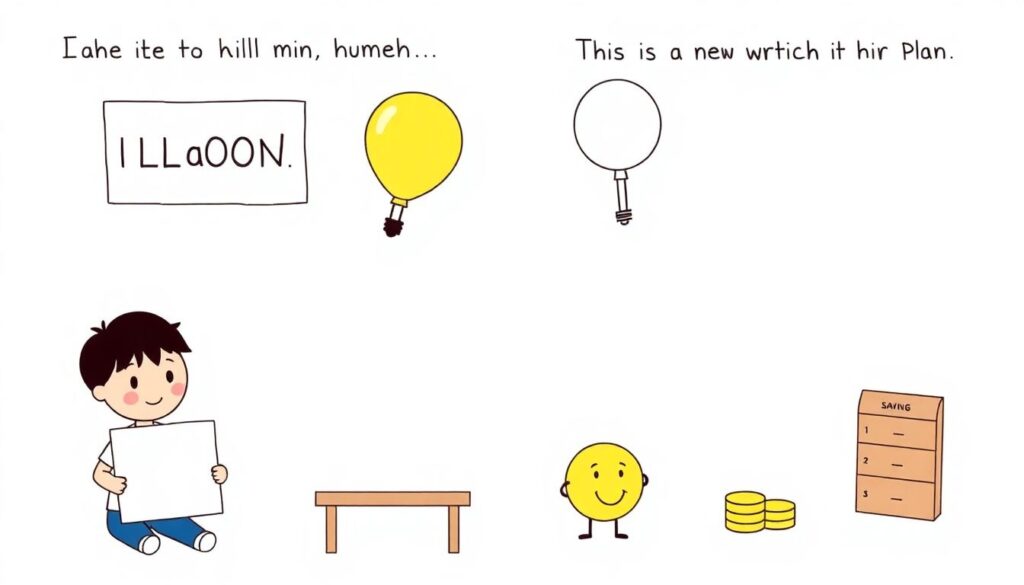
- Give students four blank panels.
- Panel 1: “Year 1 – I buy ___ with my money.”
- Panel 2: “Year 3 – Prices are higher. I can buy less.”
- Panel 3: “I notice my money balloon is smaller.”
- Panel 4: “Here is my new plan: save, earn interest, and spend wisely.”
- Share a few comics and highlight how they show inflation in clear, everyday language.
Practical Questions Parents and Teachers Ask About Teaching Inflation
How early can I start talking about inflation with kids?
You can start around ages 7-8 using very simple stories about prices changing over time. Focus on one or two familiar items, like snacks or bus fares, and avoid detailed economic terms.
How do I give a simple explanation of inflation for students without confusing them?
Use one sentence: “Inflation is when most prices slowly go up, so your money buys less than before.” Then immediately follow with a small number example and a picture or role‑play so they can see it, not just hear it.
What is the best way to connect inflation to my child’s allowance?
Track one favorite purchase across months or years. Show how many units their allowance could buy before and how many it buys now. Discuss whether increasing their allowance or encouraging saving with interest could help keep up.
Can I teach inflation without talking about banks and interest?
Yes, especially with younger kids. Start with prices and buying power. Once they understand that money can lose power, you can later add how banks and interest try to help money grow over time.
How do I keep kids from becoming anxious about rising prices?
Emphasize that small inflation is normal and that smart habits-saving, comparing prices, and planning-help families cope. Keep examples concrete and show actions they can take, instead of focusing on scary headlines.
What classroom tools help turn this into a full lesson?
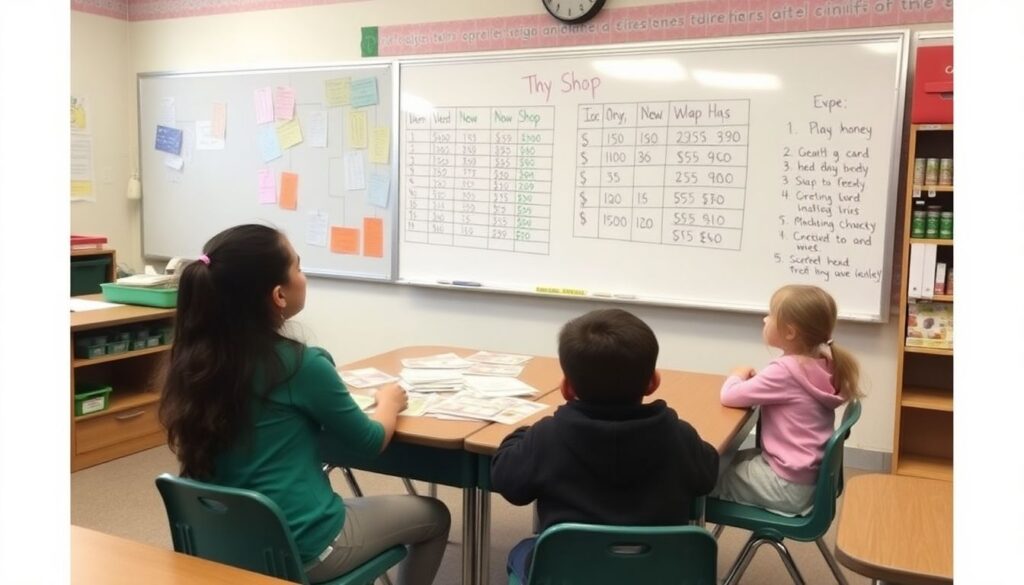
Use play money, price tags, a whiteboard chart, and short stories about a “then vs. now” shop. Combine these with simple role‑plays and drawing tasks so your financial literacy for kids inflation lesson stays active and memorable.