

Micro-saving hacks are tiny, low-risk daily habits that automate or simplify saving so you barely feel it, yet balances grow steadily. Combine set-and-forget transfers, small spending cuts, rounding tools, and micro-investments to save consistently. With clear limits and basic safeguards, these are safe, practical ways for how to save money daily and build lasting buffers.
Small Daily Shifts That Multiply into Meaningful Wealth
- Prioritize automation first; manual willpower is unreliable over months and years.
- Start with very small amounts, then increase only after two to three stable months.
- Attach each money move to a trigger: paycheck, card payment, or a daily routine.
- Track only one or two numbers (like savings rate and account balance) to avoid overwhelm.
- Revisit your setup quarterly so micro-habits stay aligned with changing income and goals.
Before you apply any of the step-by-step tactics below, keep these risk limits in mind:
- Never automate transfers out of an account that frequently approaches zero; maintain a clear minimum buffer.
- Avoid new apps that you do not understand or that lack basic security features and clear terms.
- Start with savings, not investing; only invest money you can leave untouched for several years.
- Review all active rules (round-ups, auto-invests, subscriptions) at least every three months.
Automating Micro‑Savings: Set‑and‑Forget Strategies
This approach suits people with regular income who want consistent progress without daily decisions. It is not ideal if your income is highly irregular, you are paying bills late, or you frequently incur overdraft fees; stabilize cash flow first.
- Set a safe baseline transfer from checking to savings the day after each paycheck; begin with a very small, fixed amount.
- Add a second, smaller weekly transfer to a separate emergency sub-account to create redundancy.
- Label each savings sub-account by purpose (for example, rent buffer, travel, annual bills) to reduce the temptation to dip in.
- Align due dates for major bills and your automated savings so transfers do not collide with payments.
Numerical illustration: If you automatically move $5 every weekday and $10 on payday twice a month, you quietly redirect about $150 a month, leading to around $1,800 accumulated over a year if you leave it untouched.
Risk & mitigation: Main risk is overdrafting when transfers run before deposits. Mitigate by scheduling all automatic moves at least one day after verified paydays and setting a strict minimum checking balance you never cross.
Everyday Spending Audits: Locate and Plug Cash Leaks
Spending audits provide the best money saving tips because they expose invisible leaks. You will need: online access to your bank and card statements, a spreadsheet or note app, and one uninterrupted hour per month.
- Download or open the last 30-60 days of transactions for all active cards and accounts.
- Sort spending into simple groups: housing, transport, food at home, eating out, subscriptions, shopping, and misc.
- Mark three categories with the highest discretionary spend and choose one or two concrete cuts in each (for example, one fewer delivery meal per week).
- Create an automatic transfer that matches the value of each cut so savings move out before you can re-spend them.
Numerical illustration: If your audit shows $120 a month on unused subscriptions and $80 on impulse app purchases, canceling and redirecting that $200 each month builds roughly $2,400 in a year without touching essentials.
Risk & mitigation: The risk is reacting too hard and cutting necessary or joyful spending, leading to burnout. Mitigate by limiting changes to three to five specific cuts per month and keeping at least one low-cost treat in your budget.
Rounding and Spare‑Change Systems That Actually Compound
Rounding transactions and redirecting spare change are simple ways to save money fast in small increments without noticing. Implement them carefully so you keep control of your cash flow.
- Choose a trustworthy rounding tool
Pick either your bank’s built-in round-up feature or a well-established app that rounds purchases and moves the difference to savings.- Confirm there are no high monthly or hidden fees.
- Ensure you can pause or change rules without penalties.
- Set conservative rounding rules
Start with rounding each card transaction up to the nearest whole dollar into savings.- Avoid aggressive rules (such as rounding to the nearest $5) until you have seen one full month of activity.
- Turn off round-ups for specific merchants where you spend frequently if totals climb too high.
- Direct round-ups to a clearly labeled goal
Send rounding transfers to a single, named account, such as a short-term cushion or holiday fund.- Review the balance monthly and decide whether to roll some into longer-term savings.
- Add manual “top-ups” on low-spend days
On days when you spend less than usual, manually move a small extra amount (for example, $2-$5) into the same account.- Link this habit to an existing routine like your evening phone check.
- Review impact and adjust limits
After one to two months, check how much was moved and whether your checking balance stayed healthy.- If you feel squeezed, lower the rounding rule or pause it on certain cards.
Numerical illustration: If your rounding and top-ups average $2 per day, that is roughly $60 a month, or about $720 diverted into savings across a full year, purely from spare change and tiny manual nudges.
Risk & mitigation: Risks include losing track of multiple small transfers and unexpected low balances. Mitigate by using a single rounding tool, setting weekly alerts, and capping daily or monthly round-up totals.
Micro‑Investment Options for Small, Regular Contributions
Once basic savings are stable, micro-investments can help you explore how to build savings over time through growth, not just deposits. Treat these as extra, not as your only emergency safety net.
- Confirm you have a separate cash emergency fund equal to several weeks of basic expenses before investing tiny amounts.
- Use low-cost, diversified funds or robo-advisors that accept small recurring contributions instead of individual, volatile stocks.
- Automate recurring micro-investments on payday only, after your bills and savings transfers are covered.
- Keep contribution sizes small enough that a temporary market drop does not affect your bill-paying ability.
- Review performance no more than quarterly; focus on long-term trend, not day-to-day fluctuations.
Numerical illustration: If you invest $25 every two weeks into a diversified fund, you are adding about $650 per year in contributions; over several years, growth can add an additional layer on top of these deposits.
Risk & mitigation: Market risk is the key issue; values can go down. Mitigate by using broad, low-fee funds, keeping at least several months of expenses in cash, and avoiding withdrawals during short-term downturns whenever possible.
Designing Behavioral Triggers to Make Habits Sticky
Strong triggers and routines turn one-time budgeting tips to save money into reliable systems. Poorly designed triggers create stress and failures. Watch for these common mistakes.
- Linking money habits to rare events (such as annual bonuses) instead of frequent cues like paydays, weekly reviews, or daily routines.
- Setting vague rules (for example, “save more”) instead of clear, specific actions tied to a date and amount.
- Trying to change too many money behaviors at once, then abandoning all when one slips.
- Hiding accounts so well you forget to review them, leading to missed errors or fee increases.
- Relying only on motivation and not adding calendar reminders, alerts, and simple checklists.
- Skipping reflection; not reviewing what worked after one to three months and refining weak spots.
Numerical illustration: If you attach a $10 manual transfer to each weekly money review on Sundays, that single trigger can move about $40 a month, or approximately $480 a year, into a targeted savings goal.
Risk & mitigation: The risk is trigger fatigue where constant alerts become noise. Mitigate by limiting yourself to a small number of high-value reminders and reviewing them monthly to remove anything you routinely ignore.
Safety and Risk Controls for Tiny, Frequent Transfers
Even when exploring new ways to save money fast, preserving stability matters more than speed. If automated micro-moves feel unsafe or stressful, consider these lower-complexity alternatives.
- Manual weekly “sweep” into savings
Instead of multiple daily rules, move a single, modest amount once a week after confirming your balance. This suits people with variable income or those nervous about automation. - Physical cash envelope for one category
Withdraw a set amount for a tricky area like dining out and keep it in an envelope. When it is gone, you stop. At week’s end, move any leftover cash into savings. - Round-up tracking without auto-transfer
Track what round-ups would have been in a note or spreadsheet, then move the total manually once or twice a month. This keeps full control while still building the habit. - Single savings goal challenge
Choose one short-term challenge (such as saving a fixed small sum over 30 days) to test your system before layering more habits or micro-investments.
Numerical illustration: If you manually sweep $15 each week into savings instead of running continuous rules, that still builds about $780 in a year, using only a single, conscious transfer every seven days.
Risk & mitigation: The main risk here is inconsistency; manual habits are easy to skip. Mitigate by pairing the action with an unmissable weekly event like your paycheck arrival or calendar reminder, and by tracking streaks.
Direct Answers to Practical Implementation Concerns
How do I choose between multiple micro-saving methods?

Start with one automated transfer and one spending audit-driven cut; combine only what you can comfortably track. If you feel confused or balances get tight, pause the newest method first and stabilize with the simpler setup.
What if my income is irregular or project-based?
Avoid rigid, fixed-date transfers. Instead, automate a small percentage-based transfer that runs a day after each payment arrives, or rely on weekly manual sweeps only when your balance is above a self-defined comfort level.
How can I stay motivated with such tiny amounts?
Track total saved per month, not each micro-transfer. Use visual cues like a simple progress bar or balance screenshot, and link dollar amounts to real outcomes such as one month of rent or a specific trip.
Are micro-saving apps safe to connect to my accounts?
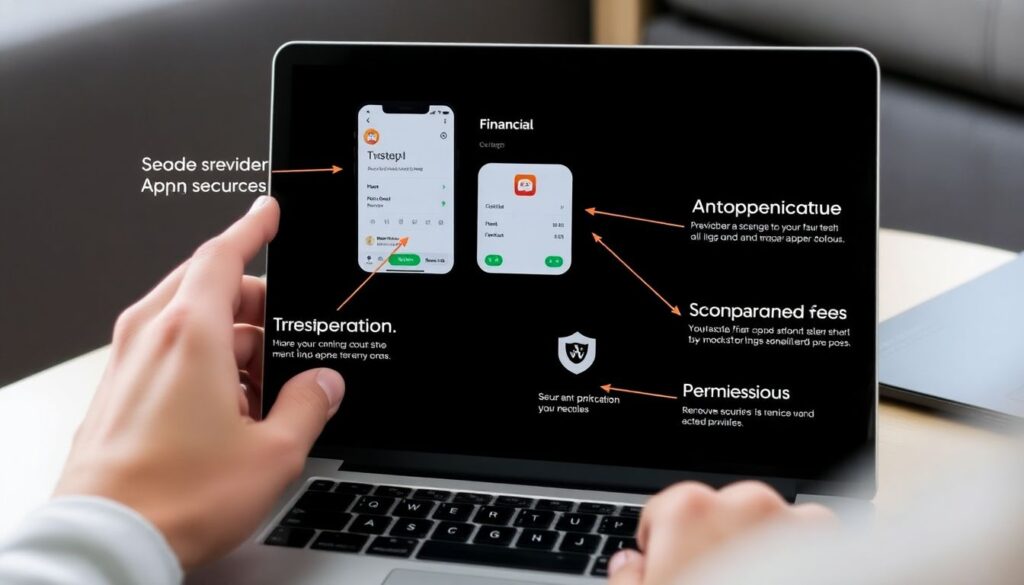
Use only providers with clear security descriptions, strong authentication, and transparent fees. Prefer tools backed by recognized financial institutions, and review permissions at least twice a year to remove any app you no longer need.
How often should I adjust my micro-saving rules?
Review monthly for the first three months, then quarterly. Increase amounts slowly when balances remain comfortable; reduce or pause rules any time you see repeated low-balance warnings or upcoming large expenses.
What should I do if I accidentally overdraft because of an automatic transfer?
Immediately move the transfer date to at least one day after deposits, lower the amount, and call your bank once to ask about a fee waiver. Consider adding low-balance alerts so you can temporarily pause transfers when needed.
How do micro-savings fit into a broader budget?
Treat micro-savings as part of your regular budget, not as extra. Allocate a small, defined percentage of income to them and adjust categories like dining out or impulse shopping so your overall plan stays balanced.