
Rethinking your energy bill in 2025
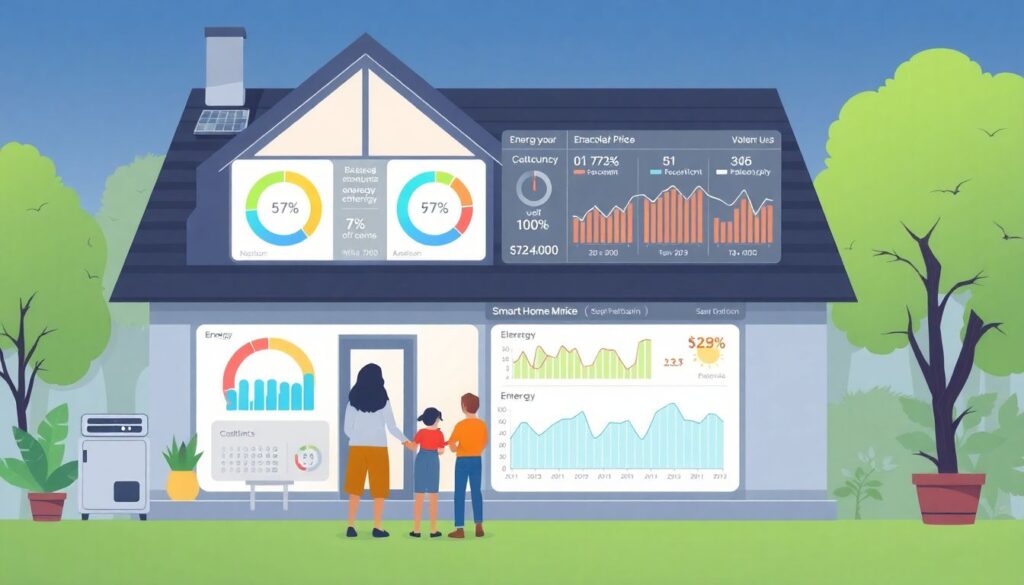
Energy bills in 2025 feel less like a fixed expense and more like a problem you can actively engineer. In the US, households spend on average 5–7% of income on energy, and volatility in gas and electricity markets since 2022 pushed many families to look beyond “turn off the lights” advice. The trend now is to treat the home as a mini‑infrastructure project: sensors, automation, dynamic tariffs, and electrification. Governments push electrify‑everything policies, utilities experiment with real‑time pricing, and homeowners suddenly care about insulation R‑values and appliance labels. Saving money is still the hook, but resilience during heatwaves and blackouts is quietly becoming just as important.
What the numbers say about wasted energy
Behind every scary bill is a lot of avoidable waste. The IEA estimates that efficiency alone could cut household energy use by 30% with existing tech, yet less than half of homes in developed countries meet modern insulation standards. Heating and cooling still swallow roughly 40–50% of residential energy, which explains the explosion of interest in the best smart thermostats for home management. Analysts expect global residential energy demand to grow modestly to 2030, but “per household” use is forecast to decline if current efficiency policies hold, meaning the real battleground is how fast we retrofit old buildings instead of just building new efficient ones.
Smart tech and automation: from gadgets to systems
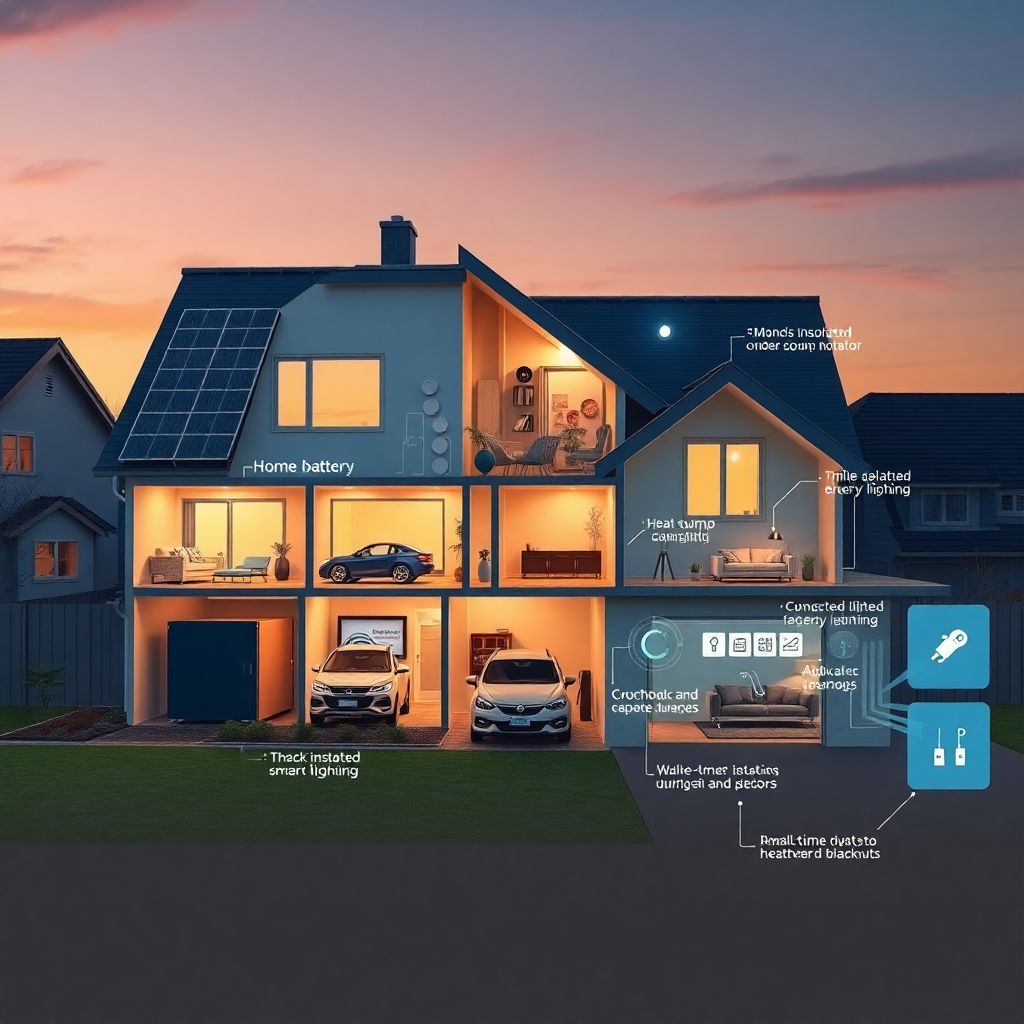
The biggest shift since 2020 is that smart devices finally talk to each other. Connected plugs, adaptive lighting, and learning HVAC controls now form actual systems that trim consumption in the background. Instead of you obsessing over every kilowatt‑hour, algorithms react to occupancy, weather, and peak‑price alerts. In many regions, utilities even pay you to let them briefly adjust your AC on extreme days. This automation trend will intensify as more homes add batteries or EVs that can charge when power is cheapest. Within a decade, analysts expect “set‑and‑forget” automation to deliver more savings than manual behavior changes ever did.
From quick wins to deep energy efficient home upgrades
Smart ways to save fall into layers, and the pattern is similar across markets: start cheap, then go structural.
1. Quick fixes: sealing drafts, LED lighting, smart power strips, and basic scheduling can shave 5–10% with minimal effort.
2. Targeted tech: energy efficient home upgrades like heat‑pump water heaters, induction cooktops, and advanced window films push savings into the 20–30% range.
3. Deep retrofits: new windows, exterior insulation, and full HVAC redesign can halve usage but require planning and financing. A practical route is to time each upgrade with natural replacement cycles so you don’t pay twice for the same system.
Money math: audits, panels, and payback times
The financial side has become easier to model, but you still need rough numbers. A detailed assessment runs under the phrase professional home energy audit cost, which in many cities sits around $200–$600; incentives or utility programs often cut that in half. Solar has also shifted from niche to mainstream: solar panels for home installation prices have dropped roughly 50% over the past decade and now often land in the $12,000–$20,000 range before subsidies for an average house. With rising tariffs and better net‑metering rules, realistic payback periods of 6–10 years are common, especially if you pair solar with efficiency upgrades that reduce the array size you need.
How markets and providers are reshaping the landscape
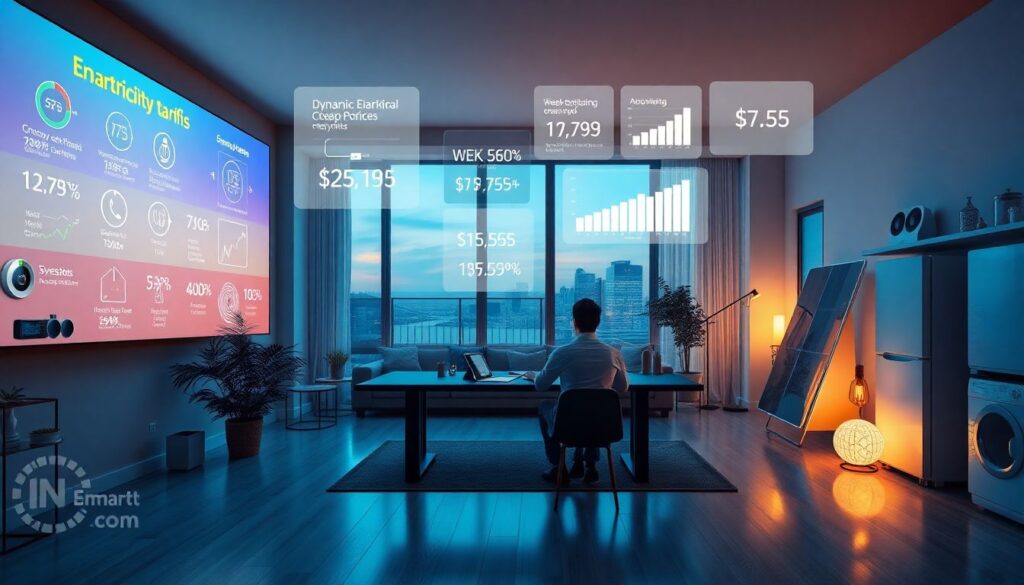
As homes get smarter, the energy industry is quietly rewiring itself. Retail competition pushes households to regularly compare electricity providers near me, not just accept the default utility. Providers respond with dynamic tariffs, weekend‑cheap plans, and bundled services that include smart thermostats or home batteries. Manufacturers of insulation, windows, and heat pumps now treat data connectivity and software integration as core features, not add‑ons. Forecasts to 2035 suggest that efficiency services, not raw kilowatt‑hours, will drive growth: companies will make more money helping you use less energy than selling you more. In that world, your “bill” starts to look more like a subscription to comfort, resilience, and predictability.