
Why Your Home Insurance Bill Keeps Climbing
What’s Going On With Prices Lately
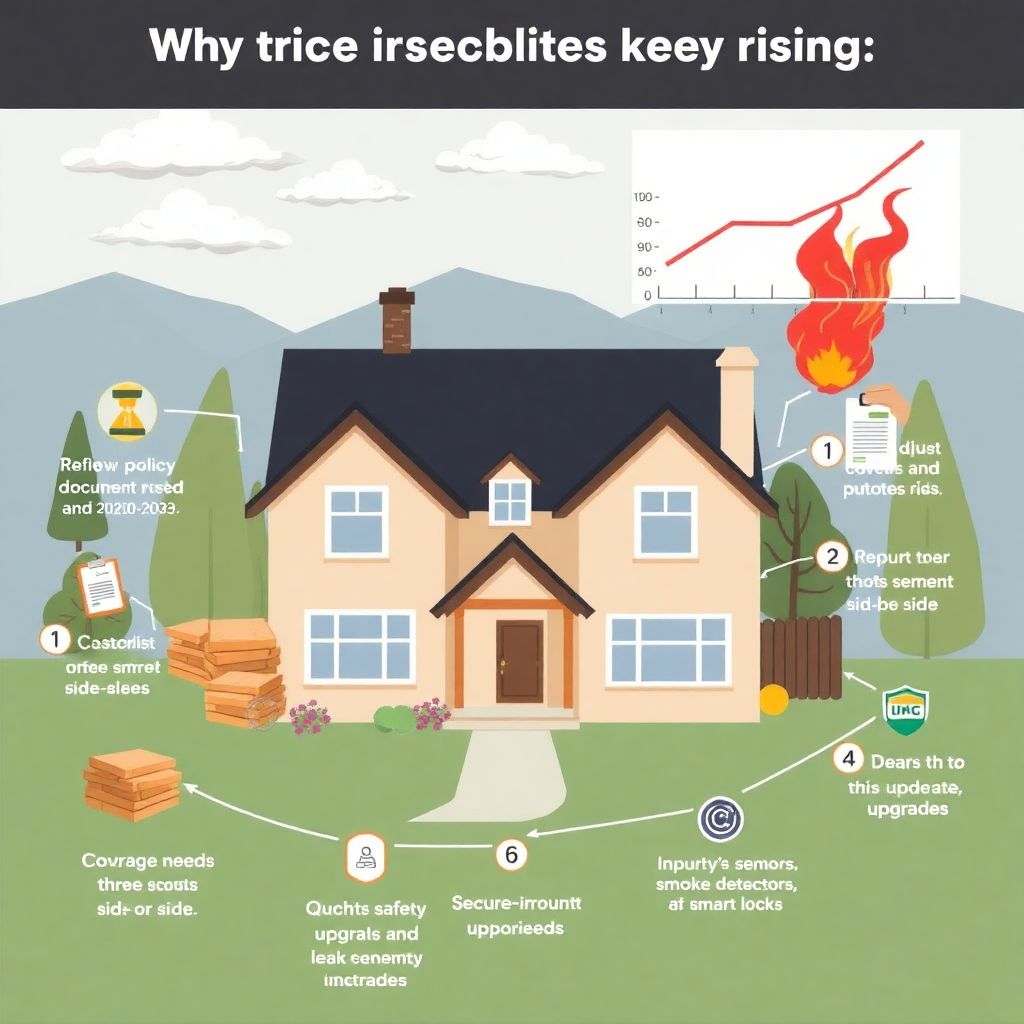
Over the last few years, homeowners have felt the squeeze. Industry data for the U.S. shows that average premiums rose roughly 20–30% between 2020 and 2023, driven by more frequent severe weather, higher rebuilding costs and inflation on building materials. Some coastal and wildfire‑exposed states saw jumps of 40% or more, and a few major insurers even stopped writing new policies in the riskiest regions. I don’t have final numbers for 2024–2025, but most analysts expect further increases, just at a slower pace. The point: hoping prices “go back down” isn’t a strategy. You need an active plan to keep your policy affordable without wrecking your coverage.
Step‑by‑Step Plan to Save Without Getting Burned
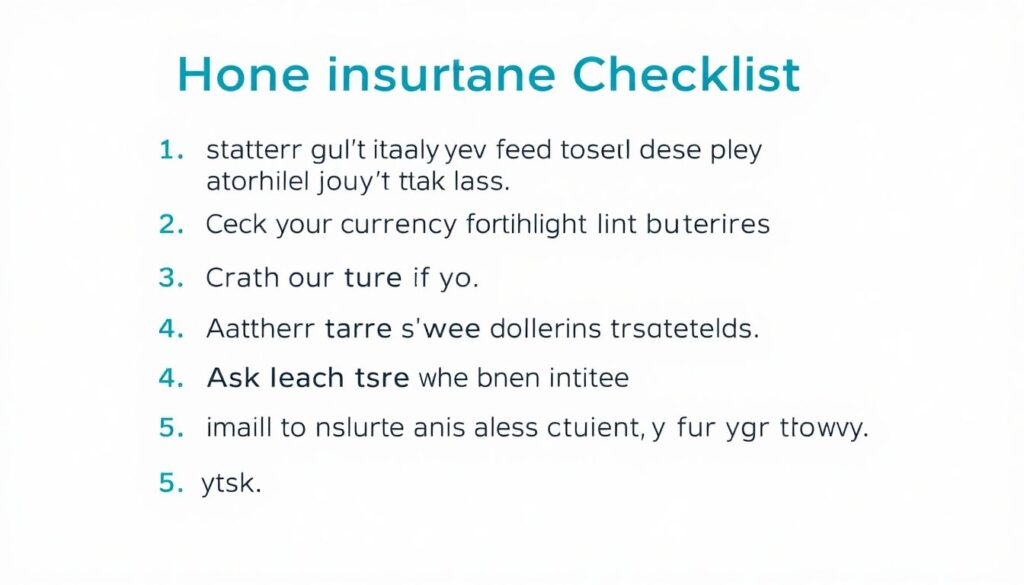
1. List what you’d actually need to rebuild and replace after a total loss.
2. Check your current policy and highlight anything you don’t understand.
3. Gather at least three home insurance quotes from different insurers.
4. Ask each agent what home insurance discounts you qualify for right now.
5. Compare home insurance rates side by side, not just the monthly price.
6. Adjust your deductible and coverage limits, testing a few realistic scenarios.
7. Only after that, decide whether to switch to another company or stay put.
If you move through these steps calmly, you avoid the classic “click the cheapest” mistake that ends with denied claims and nasty surprises.
Step 1: Understand What You’re Actually Insuring
Don’t Confuse Market Price and Rebuild Cost
New homeowners often assume their coverage should match the price they paid for the house. In reality, insurers care about how much it would cost to rebuild today, using current labor and material prices. Because construction inflation ran hot from 2021 to 2023, many homes are underinsured without owners realizing it. That becomes a disaster if a fire or storm wipes out the structure and the payout hits an artificially low limit. Before chasing cheap home insurance, ask your agent for a reconstruction cost estimate, then compare it with your dwelling limit. Saving 100 dollars per year while being 80,000 short on rebuild costs is not a win; it’s gambling with your future.
Spot the Sneaky Coverage Gaps
A second common trap is assuming all policies are basically identical. They’re not. Some cut corners on water damage, roof age, or personal property limits to look cheaper on the surface. For example, older roofs may only be covered for “actual cash value,” which factors in depreciation and can slash your payout by thousands. Other policies quietly exclude backup of sewers and drains, even though that’s a frequent and expensive claim. When you review your paperwork, circle words like “exclusion,” “sub-limit,” and “endorsement.” If something sounds vague, ask for a plain-English explanation and a concrete example of how a claim would be paid. You can’t judge value if you don’t know what’s missing.
Step 2: Shop Smart, Not Fast
How to Use Quotes Without Getting Overwhelmed
Most people request home insurance quotes once, during the home purchase, and then forget about them for years. That’s like accepting the first car price a dealer throws at you and never negotiating again. A better habit is to shop every 1–2 years or after big life changes: renovations, a new roof, or adding security upgrades. When you gather quotes, give each insurer the same information on square footage, updates, and safety devices, so you’re not comparing apples to oranges. Keep a simple note of coverage limits, deductibles, and key extras like replacement cost on contents. The goal isn’t just to lower your bill this year, but to see who stays competitive and flexible as your home situation evolves.
Comparing Rates the Right Way
Online tools make it easy to compare home insurance rates in minutes, but they also tempt you to focus only on the monthly premium. That’s where many beginners go wrong. You need to zoom out and look at the full picture: What’s the deductible for wind or hail? Are there separate hurricane or earthquake deductibles? Is personal property covered at replacement cost or depreciated value? As you go through quotes, imagine one realistic disaster for your area and mentally “test” each policy. If a storm ripped off your roof and damaged half your furniture, how much would you actually pay out of pocket on each option? The cheapest quote often turns out to be the most expensive when you run this simple thought experiment.
Step 3: Use Every Legit Discount You Can
Ask for Discounts Like You Mean It
Insurers rarely volunteer every way you could save; you have to ask. Typical home insurance discounts include bundling with auto, installing monitored alarms, adding smoke detectors, or upgrading old wiring and plumbing. According to industry surveys from 2021–2023, bundling home and auto can shave 10–25% off premiums, while qualifying protective devices often bring another 5–10%. When you talk to an agent, literally say, “Walk me through every discount I might be missing,” and pause until they respond. Mention any recent updates, from a new roof to a smart security system. Even small improvements can shift your risk profile, and insurers base their prices on risk. Just be honest; exaggerating upgrades can backfire badly at claim time.
Common Discount Mistakes to Avoid
A frequent beginner mistake is chasing every discount, even when it costs more than it saves. For example, paying for an expensive monitored alarm contract just to cut your premium might not make sense if the yearly monitoring fee dwarfs the insurance savings. Another misstep is bumping your deductible sky‑high just to unlock a small discount. If your emergency fund is thin, a 5,000 deductible could mean putting a repair on high‑interest credit cards after a storm. Treat discounts as bonus savings on a solid policy, not the main event. If a “deal” forces you into financial contortions or long, inflexible contracts, it’s not really a deal; it’s a trap with good marketing.
Step 4: Improve Your Home’s Risk Profile
Simple Upgrades That Pay You Back
Insurers love boring, well‑maintained homes that rarely generate claims. The good news is you can lean into that. Over the past three years, carriers have increasingly rewarded risk‑reducing upgrades because climate‑related claims have become more expensive. Swapping an old, curling roof for impact‑resistant shingles can unlock lower rates and reduce storm damage. Adding water‑leak sensors near your water heater, washing machine, and sinks cuts the odds of major water claims, which are among the most common losses. Even trimming trees away from the roof and cleaning gutters regularly makes a difference. When planning maintenance, ask yourself: “Would this lower the chance or size of a claim?” If yes, mention it to your insurer once it’s done.
Don’t Forget Security and Liability
Risk isn’t just about wind and water; it’s about people too. Insurers factor in how likely someone is to get hurt on your property or break into your home. Installing motion lights, better deadbolts and smart locks can deter theft, while handrails on stairs and non‑slip surfaces around entryways cut down on injuries. With burglary rates fluctuating in many cities between 2021 and 2023, some companies began fine‑tuning how they price neighborhood crime risk. If crime has dropped in your area and you’ve boosted security, you’re safer than your old rate suggests. Share any security upgrades with your agent and ask whether they qualify for discounts or at least prevent future surcharges.
Step 5: Choose the Right Partner, Not Just the Lowest Price
What Makes an Insurer “Good” in Real Life
The best home insurance companies aren’t just the ones with the flashiest ads; they’re the ones that handle claims fairly when your life is upside down. Before switching, look up third‑party ratings on financial strength and customer satisfaction, and read a few honest reviews that mention real claims, not just billing issues. Over 2020–2023, complaint data showed big differences between insurers on claim delays and denials, even when premiums were similar. Ask friends and neighbors about their experiences after storms or fires. If a company is known locally for fighting every claim, that super‑low quote may come at the cost of your sanity later. Paying a little more for a carrier that actually pays out can be the cheapest move in the long run.
How to Switch Without Gaps or Surprises
Once you pick a new policy, time the start date carefully so it overlaps your old one by a day or two. That way, if a tree falls during the transition, you’re not stuck in limbo. Confirm in writing that the old policy is cancelled as of the agreed date and check your mortgage statement to be sure the lender received the new details. If your premiums are escrowed, make sure the new rate is reflected; otherwise you might get an unpleasant “escrow shortage” letter next year. Finally, keep copies of both the old and new declarations pages. If a future claim gets messy, having clear proof of who covered what, and when, can save you hours of arguing.
Step 6: Smart Habits That Keep Costs Low Over Time
Review Once a Year, Not Once a Decade
Life changes: you remodel a kitchen, finish a basement, or buy expensive electronics. Insurers will happily keep billing you the old rate even if your coverage no longer matches your reality. Set a yearly reminder to do a quick review. Update your home inventory with photos and receipts, then check whether your limits still make sense. If rebuilding costs in your area jumped again—as they did in many regions from 2021 to 2023—you may need to tweak coverage even if you’re trying to save. At the same time, ask your agent if new discounts appeared or if you’ve hit loyalty tiers. Quiet, regular tune‑ups usually beat frantic, last‑minute changes when a renewal shock email lands in your inbox.
When “Cheap” Becomes Too Expensive
Hunting ruthlessly for cheap home insurance can backfire if it pushes you into policies that don’t fit your risks. A rock‑bottom price might mean higher deductibles, more exclusions, or weaker claim support. Imagine discovering after a fire that your “great deal” only covers a fraction of your belongings at depreciated values. That’s why you should always balance premium savings against worst‑case scenarios. Ask yourself: “If the worst happened tomorrow, would this policy keep me on my feet financially?” If the honest answer is no, adjust the coverage—even if it means paying a bit more. True savings come from paying the smallest amount that still lets you sleep at night, not from winning a contest for the lowest possible bill.