
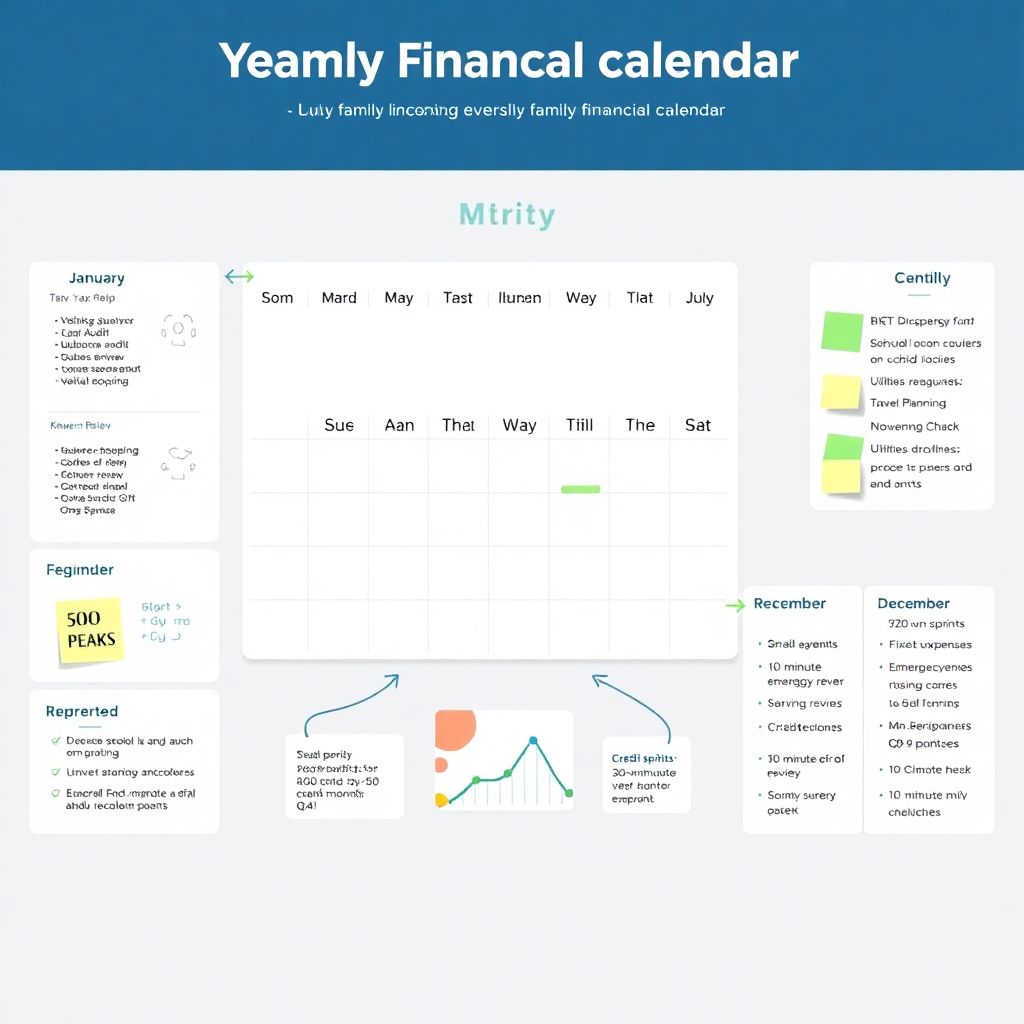
Why a yearly financial calendar works
A yearly financial calendar turns scattered money decisions into a rhythm your family can follow. Framing goals across 12 months reduces impulsive spending and smooths cash‑flow spikes around holidays and school terms. OECD data show households that plan quarterly review sessions save 10–15% more over a year, while the U.S. personal saving rate has hovered near 4% lately—thin protection against surprises. With a clear map, you pre‑commit to milestones, automate transfers, and catch leaks early, all without micromanaging every receipt.
The outcomes you can expect
Families using a structured cadence report lower bill stress and clearer trade‑offs between essentials and treats. Over six to nine months, many see credit‑card utilization drop as recurring costs get renegotiated and seasonal peaks anticipated. Fintech surveys in 2024 noted that users who scheduled monthly check‑ins were twice as likely to hit emergency fund targets. A calendar also aligns partners: decisions move from ad‑hoc debates to agenda items with dates, amounts, and success markers everyone understands.
• Build buffer funds tied to known peaks like school fees and insurance renewals
• Stage big purchases after price‑dip windows instead of during demand spikes
• Consolidate subscriptions quarterly to prune low‑value services
Data you need before you start
Gather last year’s statements, fixed bills, and irregular expenses such as camps, travel, and medical deductibles. Sort income volatility too—bonuses, freelance gigs, tax refunds. Experts suggest mapping cash inflows against probable outflows month by month, then adding a 5–10% contingency. This baseline lets your family budget planner translate from hopes to numbers. If data are fuzzy, start with estimates and mark them as “to verify” during the first 60 days; the calendar improves as your records sharpen.
• List all renewals with exact dates: insurance, streaming, software, gym
• Note price index movers: energy, groceries, childcare, transit passes
Monthly cadence and seasonality
Assign each month a theme to reflect real‑world seasonality. For instance, January for tax prep, April for insurance shopping, August for school readiness, November for gift planning. Insert mini‑sprints: a 30‑minute review the first Sunday, a 10‑minute mid‑month check. This pacing reduces decision fatigue and lifts follow‑through. Pair the cadence with a budget calendar template that flags predictable spikes; seeing them ahead of time makes it easier to renegotiate rates, batch purchases, or delay nonessential upgrades.
Tools and templates that keep it simple
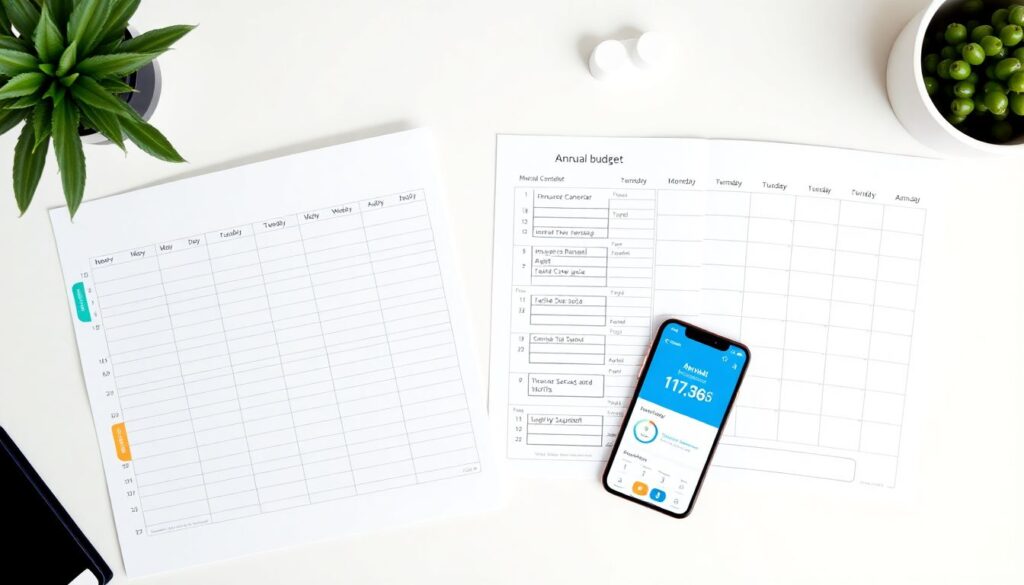
You don’t need fancy software, but structure helps. An annual budget planner with 12 tabs or a printable annual budget template gives each month a lane, while a flexible financial calendar template anchors key dates—insurance renewals, vehicle service, subscription audits. If you prefer mobile, pick apps that export CSVs and support shared goals. For visual thinkers, color‑coding fixed, variable, and seasonal expenses makes drift obvious and encourages quick course corrections.
Expert recommendations that actually stick
Adopt 80/15/5 for inflows: 80% living, 15% goals, 5% fun—then slide fun up temporarily after a victory to keep morale high. Automate first, then negotiate: set savings transfers on payday, review bills quarterly for loyalty discounts. Use a “decision journal” for purchases over a set threshold; revisit in 30 days to learn from outcomes. Planners also advise a family huddle each quarter to revisit priorities; it’s where a family budget planner stops being static and becomes a living agreement.
Economic context and smart assumptions
Plan with macro winds in mind. Global forecasts suggest inflation in advanced economies near 2.5–3% in 2025, with services staying sticky while goods stabilize. Wage growth may cool, widening the gap for households without buffers. Keep assumptions conservative: build a 3–6 month expense reserve, model a 1–2 point rate swing if you carry variable debt, and bake in annual increases for childcare and insurance. These guardrails protect your calendar from optimistic math and keep targets realistic.
How this shifts the industry
As more families adopt calendars, fintech firms pivot from tracking to coaching. Providers now ship a budget calendar template alongside transaction feeds, layering nudges and renewal alerts. This changes revenue models: instead of pure subscriptions, apps court insurers, utilities, and retailers for verified‑offer marketplaces. The net effect is better bargaining power for households—bulk switching becomes easier—while financial products get scored on transparency and timing rather than teaser rates alone.
Putting it into action this week
Block one hour, print or download a financial calendar template, and list twelve monthly themes. Import last year’s expenses, tag each line, and highlight three seasonal peaks. Automate savings on payday and set a 30‑minute recurring review. Drop your key dates into shared calendars and pin renegotiation windows two months ahead. By next month, you’ll have a working annual budget template tuned to your rhythms—and by quarter’s end, the annual budget planner will feel less like a chore and more like a confidence engine.