
Comparing approaches in and Electronics
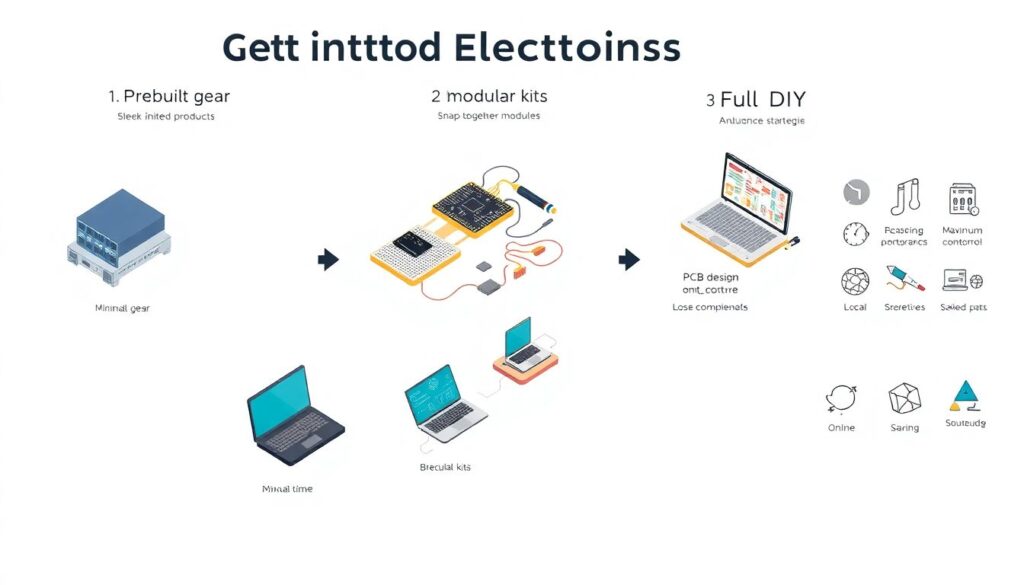
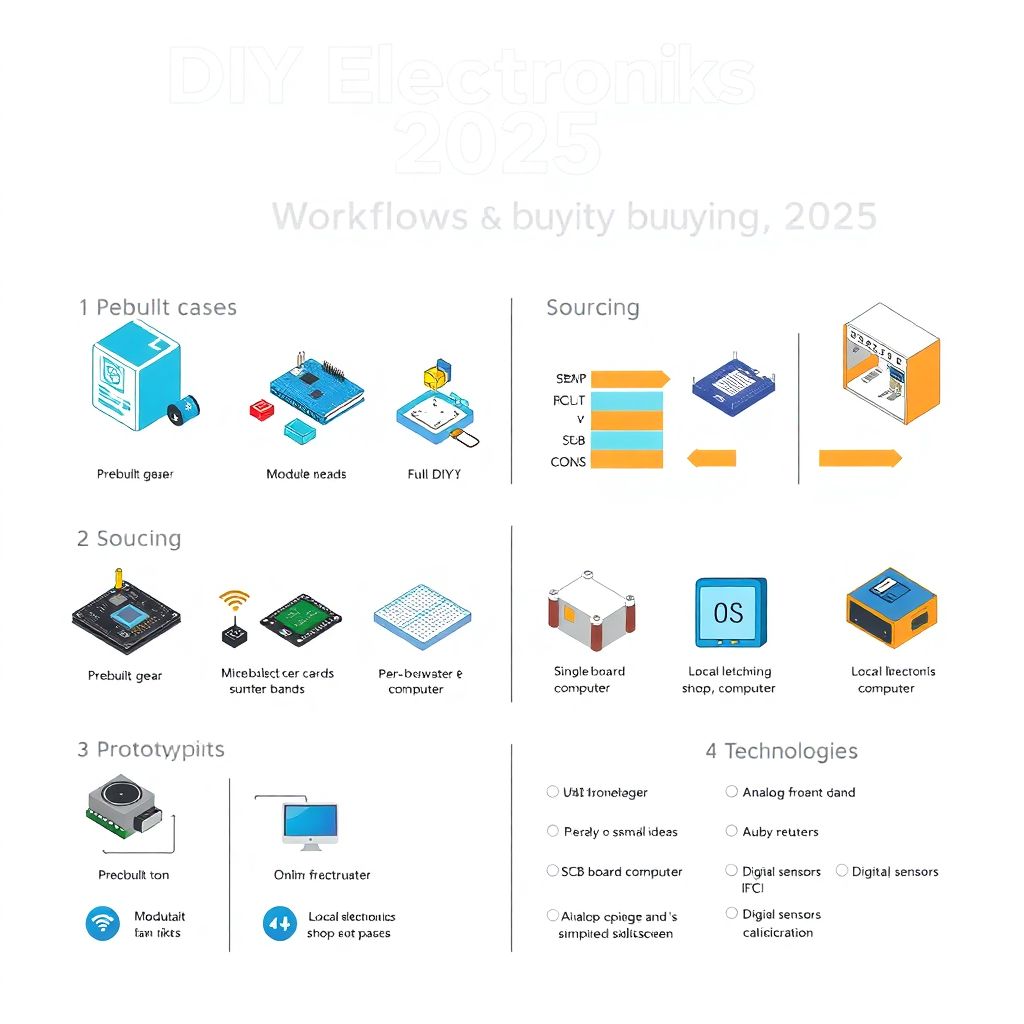
When you dive into and Electronics, you’ll choose between three paths: prebuilt gear, modular kits, or full DIY. Prebuilt saves time but limits customization; kits balance learning and speed; DIY maximizes control at the cost of complexity. Sourcing strategies matter too: you can buy electronics online for breadth and price tracking, while local shops help with quick parts and returns. Prototype choices also differ—breadboards are fast for ideas, perfboards suit small runs, and PCBs shine for reliability. Match approach to goal: experiments need flexibility, products demand repeatability and documentation.
Technologies: pros and cons to weigh

Microcontrollers excel at low power and tight control loops, while single‑board computers add rich OS features at the cost of boot time and power draw. Analog front ends offer precision and low latency, yet digital sensors simplify calibration and code. Wireless picks trade range, power, and cost: Wi‑Fi moves data but drains batteries, BLE sips power, LoRa stretches miles with tiny payloads. Cloud dashboards speed iteration, though they raise privacy risks. Buying cheap electronics online can stretch budgets, but verify datasheets, certifications, and firmware update policies to avoid lock‑in or safety issues.
Frequent beginner mistakes you can skip
Newcomers repeat a few avoidable errors: 1) Ignoring power budgets—regulators overheat and brownouts look like “random bugs.” 2) Skipping decoupling capacitors near ICs. 3) Misreading pinouts or voltage levels; 5 V into 3.3 V chips is fatal. 4) Trusting breadboards for high current or RF; they’re noisy. 5) Forgetting ESD handling for MOSFETs and MEMS. 6) Not reading datasheets beyond the first page. 7) Overfitting to a tutorial without understanding limits. When stuck, a reputable electronics store near me can supply proper connectors, fuses, and tools to stabilize builds faster.
How to choose parts and stretch your budget
Start from constraints: required sensors, latency, battery life, and physical size. Prefer platforms with long support windows and strong ecosystems; stable toolchains beat shiny features. Compare warranties and return policies, then hunt the best electronics deals with price alerts and verified sellers. Time purchases around a consumer electronics sale, but avoid “mystery” bundles lacking specifications. Evaluate total cost: enclosures, cables, calibration, and shipping frequently exceed unit price. For one‑offs, modules are efficient; for batches, design a PCB to cut BOM and assembly time, and document for future reuse.
Trends in 2025 shaping and Electronics

In 2025, edge AI on microcontrollers moves from demos to deployment: tinyML models run vision and anomaly detection under 50 mW. RISC‑V expands with better dev tools, while USB‑C PD 3.1 and GaN chargers standardize fast, efficient power. Matter and Thread unify smart‑home interoperability, and secure elements plus encrypted boot become baseline. Sustainability rises: repairable designs, modular batteries, and right‑to‑repair laws influence part choices. Supply chains are steadier, yet rare ICs still spike; plan alternates. Whether you buy electronics online or locally, prioritize provenance, firmware updates, and clear safety certifications.