
Historical background
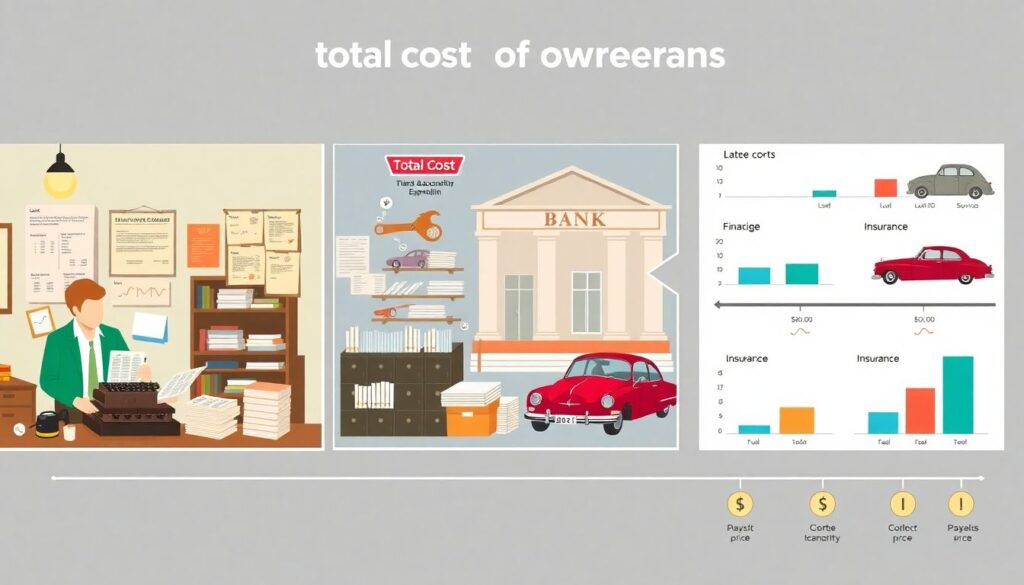
Total cost of ownership for cars evolved from fleet accounting in the mid‑20th century, when depreciation schedules, fuel indices, and service intervals became standardized. As consumer credit expanded after the 1950s, financing costs and insurance premiums started to rival purchase price in impact. In the 1990s, digital tools brought transparency, and today a car cost of ownership calculator integrates variables like APR, residual value, tax, and tires into a single projection. The shift from cash buys to loans and leases reframed budgeting: lifecycle economics, not sticker price, became the rational baseline for decisions in both retail and corporate contexts.
Basic principles
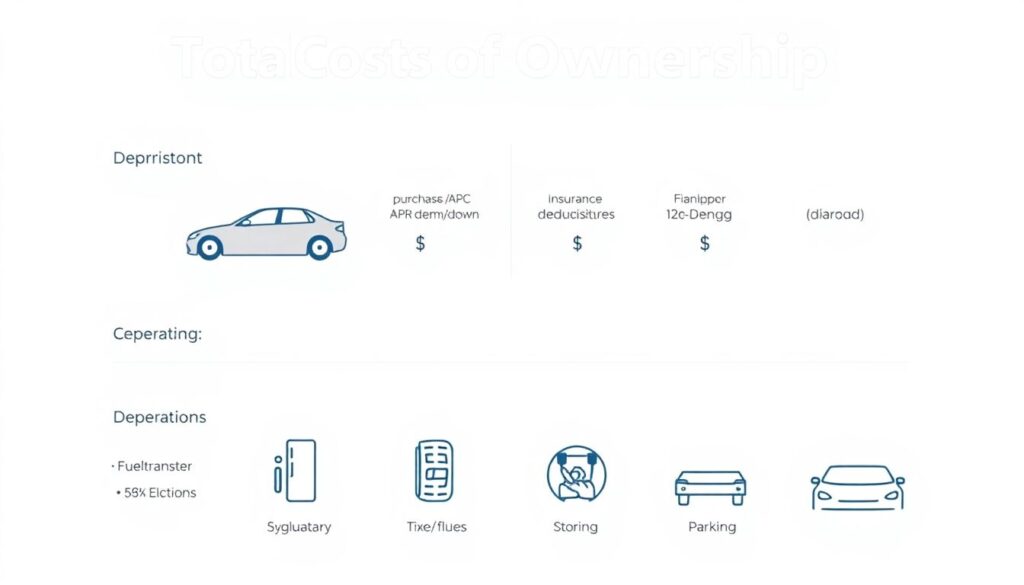
A sound budget decomposes TCO into capital and operating components: depreciation (purchase minus resale), financing (APR, term, down payment), risk transfer (insurance and deductibles), and variable loads (fuel/energy, tires, fluids). Add statutory items (tax, registration), storage (parking), and contingency buffers. Benchmark average car maintenance costs by drivetrain and mileage, then stress‑test fuel with realistic duty cycles. To lower interest drag, shop lenders for best auto loan rates and model amortization under different terms. Finally, discount future cash flows when comparing trims or powertrains to avoid nominal-cost illusions.
Implementation examples
Case 1: A 5‑year‑old hybrid commuter. The buyer used a car cost model to compare two lenders; a credit‑union preapproval delivered best auto loan rates at 4.7% vs dealer’s 7.2%, saving $1,180 interest over 36 months. Switching to a telematics policy secured best auto insurance rates with a 17% discount after three months of low‑risk driving. Annualized tires and HV battery warranty data were folded into reserves. Case 2: A contractor with a high‑APR truck loan cut payments by refinancing at mid‑term; auto loan refinance rates dropped from 10.9% to 6.1%, trimming $42/month and $980 lifetime interest without extending beyond useful life.
Common misconceptions
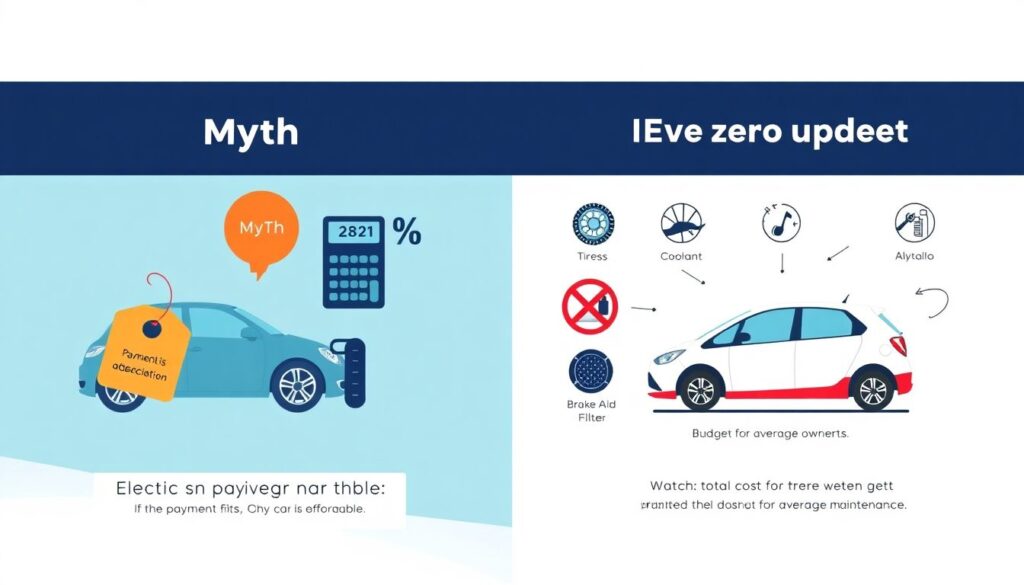
Myth: “If the payment fits, the car is affordable.” In reality, low monthly costs can mask steep depreciation and balloon interest. Myth: “EVs have zero upkeep.” They avoid oil changes, yet tires, coolant, brake fluid, and cabin filters still accrue; plan against average car maintenance costs for the segment. Myth: “Insurance is fixed.” Underwriting responds to telematics, deductibles, and garaging; periodic quotes can reposition risk and price. Myth: “Refinancing always adds cost.” When fees are modest and term discipline is kept, improved auto loan refinance rates reduce effective cost of capital without extending total lifecycle exposure.