
Why a Money Motto Matters
Define the guardrails before touching the map
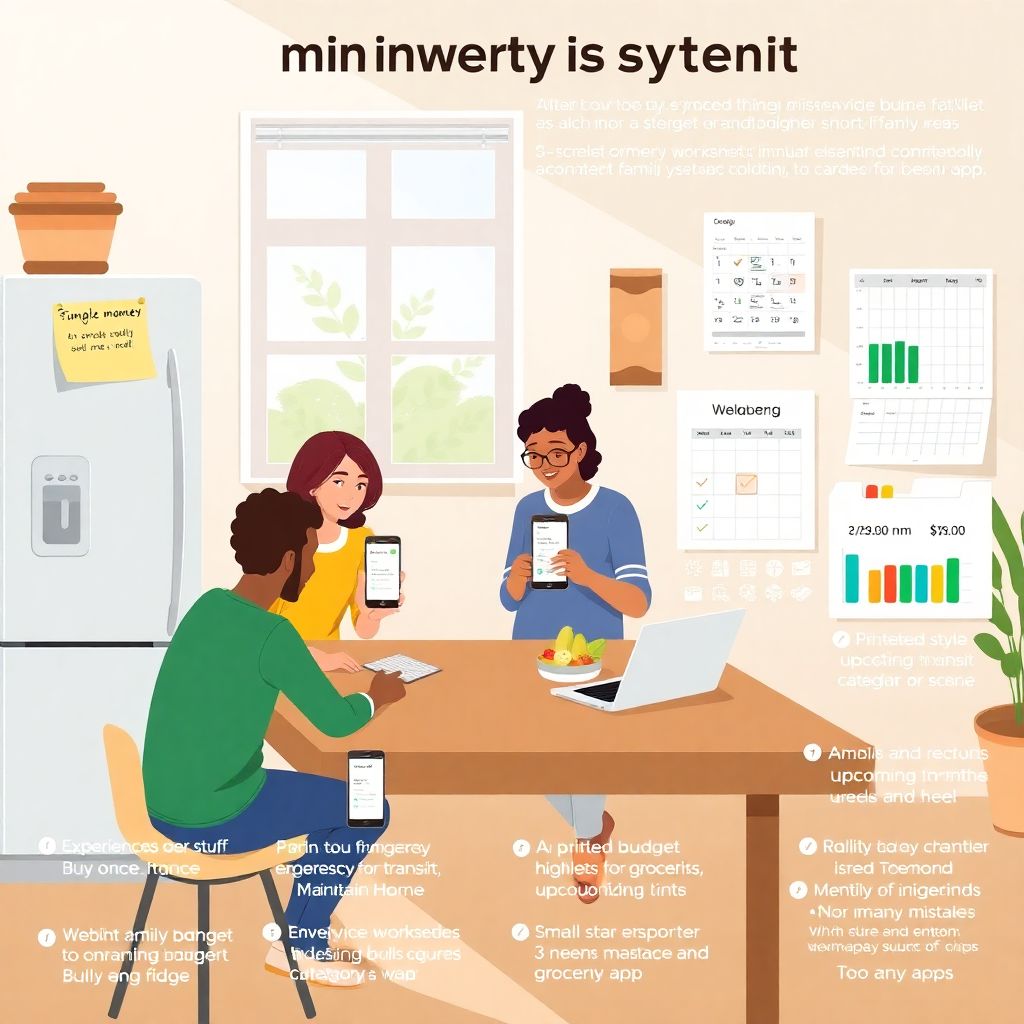
A family money motto is a short principle that filters every spending decision, turning vague goals into practical constraints. Instead of “spend less,” a motto like “Buy once, cry once” or “Experiences over stuff” aligns choices without constant debate. It reduces decision fatigue, curbs impulse buys, and frames trade‑offs: if the motto values flexibility, you’ll weight emergency savings higher than upgrades. Analytical bonus: mottos create a measurable yardstick. If the rule is “Save 20% before anything else,” you can audit each month for adherence, spot friction points, and tune behavior with data rather than guilt or guesswork.
– Test a motto against last month’s top five purchases: would it have changed any outcomes?
– Keep it short enough to fit on the fridge and a phone lock screen.
Crafting Your Family Money Motto
From values to one line you’ll actually use

Start by listing your top five shared values—security, learning, health, time, community. Rank them, then map each to a money implication (e.g., health → gym and produce stay funded even in tight months). Draft three motto options that reflect these priorities and stress‑test them across common scenarios: car repair, vacation, kid activities, gift season. Choose the line that resolves the most conflicts with the least ambiguity. Finally, attach one behavior per motto: automatic transfers, a pre‑purchase 24‑hour pause, or a “two‑signature” rule for big buys. The motto leads; the behaviors lock it into daily routines.
– Use phrasing that tells you what to do, not what to avoid.
– Revisit wording quarterly as life stages shift.
How to Create a Family Budget That Fits
Translate the motto into numbers and tools
Begin with net income and fixed essentials, then allocate by priority, not habit. A family budget planner helps mirror your motto into categories and caps; if you’re early in the process, a simple household budget template is enough to start. Add variable envelopes for food, transit, kids, and a buffer line for surprises. To keep everyone aligned, pair the plan with a family budgeting app that syncs transactions and flags category drift in real time. If you like tactile reviews, print a monthly family budget worksheet for the fridge, check it weekly, and annotate what rules worked or failed.
– Automate savings and bills first; track the rest with alerts.
– Label categories with verbs: “Build Emergency,” “Fund Travel,” “Maintain Home.”
Common Rookie Mistakes
What derails good intentions
New budgeters often overfit to last month’s data, underestimating volatility and seasonal spikes. They skip a realistic “irregulars” fund for car repairs, school fees, or medical co‑pays, then raid savings and feel the plan is broken. Another trap is tool clutter: mixing three apps, two spreadsheets, and no single source of truth. People also set goals that ignore behavior—vague savings targets without automatic transfers. Finally, they treat caps as moral judgments, creating secrecy and resentment. Neutral language and shared visibility keep conversations about systems, not blame, and let the motto arbitrate tough choices.
– Build a rolling 3‑month average for groceries and fuel, not a single-month guess.
– Keep one ledger; everything else feeds it.
– Budget for joy on purpose; otherwise it leaks elsewhere.
Execution and Review Rhythm
Make the system boring—and that’s good
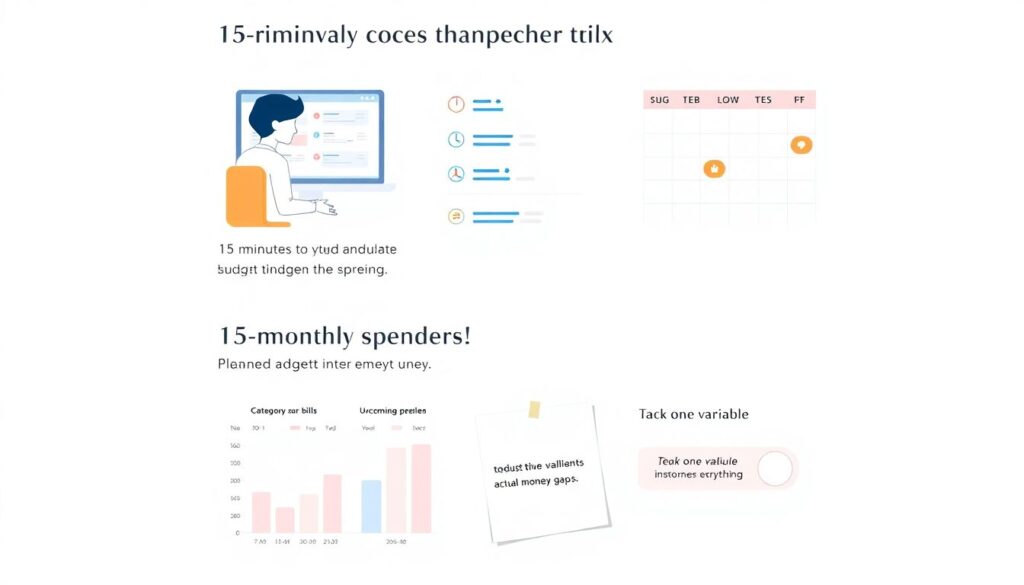
Run a 15‑minute weekly stand‑up: glance at category balances, upcoming bills, and calendar events that trigger spending, then adjust limits before money leaves. Once a month, compare planned versus actual, write one sentence on why gaps happened, and tweak a single variable rather than overhauling everything. Use your family budgeting app for daily capture, and a monthly family budget worksheet for higher‑level reflection. Anchor routines to existing habits—Sunday coffee, the school run, or bill due dates—so the process sticks without drama. Consistency compounds more than clever optimizations or perfect forecasts.
– Weekly: reconcile, forecast seven days, approve any big purchases.
– Monthly: refresh goals, rotate one category experiment, and reaffirm the motto.