
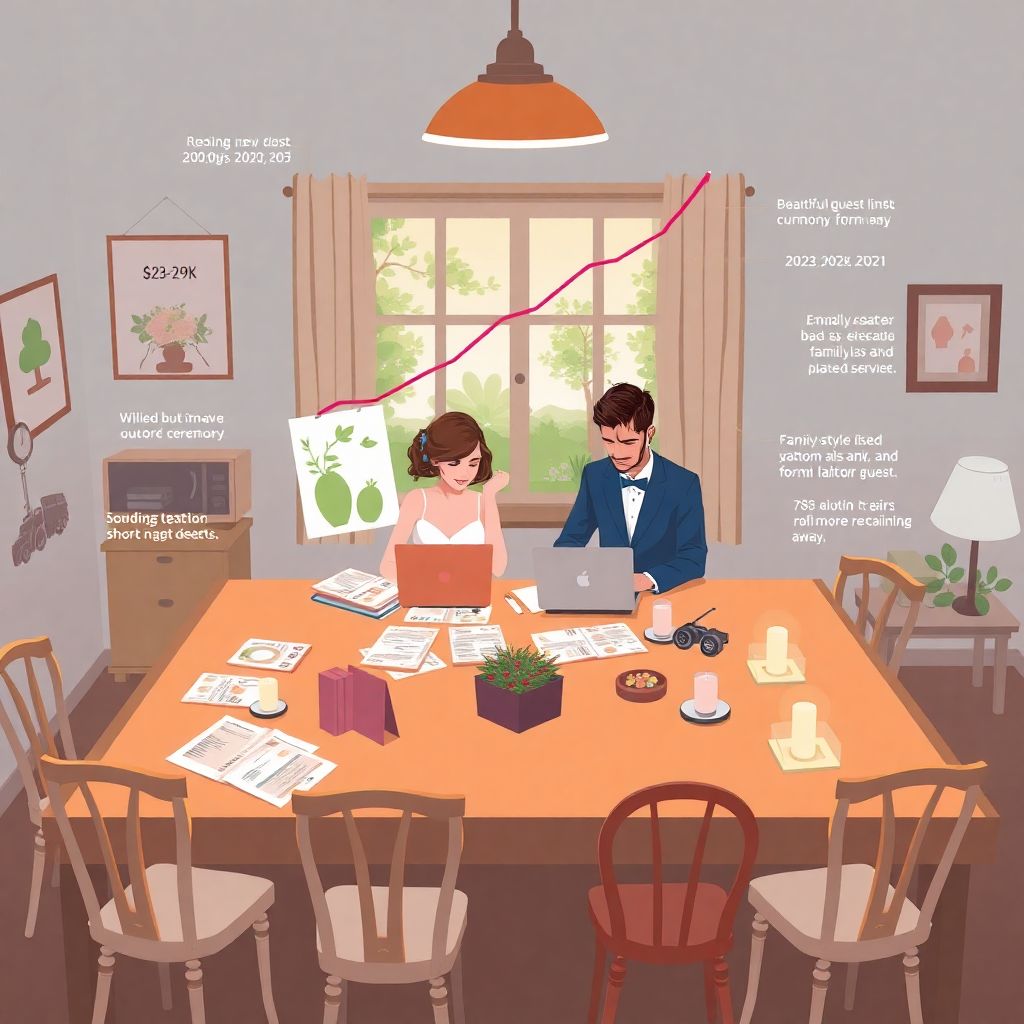
Throwing numbers at you first: according to The Knot’s Real Weddings Studies, the average U.S. wedding cost about $28–29k in 2021, jumped to roughly $30k in 2022 and climbed again to around $35k in 2023, pushed up by inflation and demand. Early 2024 surveys (still being finalized as of late 2024) suggest couples are trimming guest lists but splurging more per guest, so the *total* bill isn’t really going down. That’s the paradox: people want intimate weddings, but each chair now costs more, from catering to decor. The good news? With planning, you can still protect your dream moments without letting the numbers run the show or the stress eat you alive.
—
Why Weddings Got So Expensive (and What That Means for Your Budget)
Over the past three years, weddings have basically been riding the same roller coaster as the wider economy. In 2022 многие couples rushed to finally celebrate after pandemic delays, and venues, florists and caterers suddenly faced a backlog of bookings. Combine that with general inflation of 4–8% a year in many regions and you get price jumps of 10–20% on key wedding services. In 2023, vendors had more staff and inventory, but labor and energy costs kept rising, so they rarely dropped prices. For 2024, analysts expect slower price growth, yet still above pre‑2020 levels, which means “waiting a year to save” doesn’t guarantee a cheaper event, just a different trade‑off between time and money.
—
Recent Numbers: 2022–2024 in Plain Language
Let’s boil the stats down. In 2022, about two‑thirds of U.S. couples reported going over their initial budget, usually by 10–15%, mainly due to last‑minute upgrades and underestimating extras like service fees and taxes. In 2023, surveys showed a shift: more than 70% of couples created some form of wedding budget planner, but roughly half still didn’t track every payment, so they lost control near the finish line. Early 2024 data from major planners points to a new pattern: couples are booking fewer traditional elements (like large wedding cakes or expensive favors) yet upgrading photo, video and experiences. The lesson is simple: if you don’t give your money a clear “job” from the start, it will quietly disappear into add‑ons you won’t even remember later.
—
Start With the Dream, Not the Spreadsheet
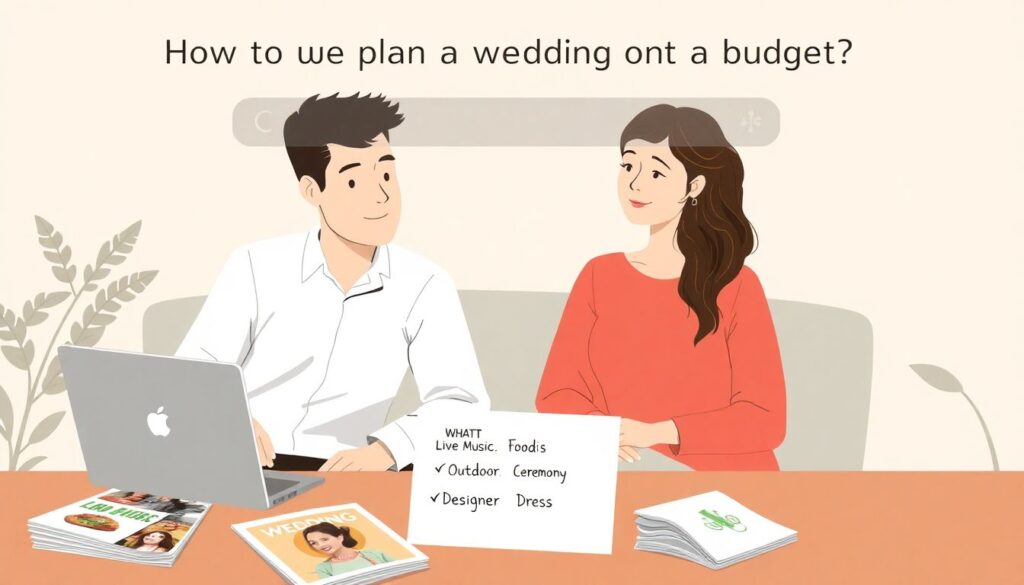
Before you google how to plan a wedding on a budget, pause and flip the script: instead of asking “What can we afford?”, ask “What do we actually care about?”. Most couples have three or four non‑negotiables: maybe it’s food, live music, an outdoor ceremony, or a designer dress. If you clarify those pillars first, you can cut hard in less important areas without feeling deprived. This “dream‑first” approach also prevents emotional overspending: when relatives push for extra guests or traditions, you can weigh every suggestion against your core priorities. Suddenly it’s not “We’re being cheap,” it’s “We’re choosing this so we can afford the thing that truly matters to us.” That mindset shift alone saves thousands.
—
Using a Wedding Budget Planner Like a Pro
A wedding budget planner is only as useful as the questions you ask it to answer. Instead of one big number, break your budget into categories with realistic ranges and flag anything likely to creep up: catering, photography, attire alterations, transportation, tips. Then add a 10–15% buffer line labeled “unavoidable surprises” so you don’t feel blindsided later. Update the file every time you sign a contract; don’t trust your memory after three vendor meetings in a weekend. Couples who track in real time are far more likely to come in on target or even under budget. Think of it less as a restrictive tool and more as a permission slip: if you’re under in one category, you can happily upgrade another without guilt.
—
Economy Check: How Macrofactors Shape Your Wedding Bill
Weddings don’t exist in a bubble; they mirror what’s happening in the broader economy. From 2022 to 2024, supply‑chain disruptions eased, but labor stayed expensive, especially in hospitality. That’s why you’ve seen catering, bartending and coordination fees rising faster than, say, the cost of invitations. Energy prices and rent hikes for urban venues also nudge your quote upward, even if the venue isn’t overtly “luxury.” On the flip side, tech adoption—online RSVPs, digital seating tools, AI‑driven planning apps—has quietly lowered planning hours and some admin fees. Understanding these economic aspects helps you negotiate smarter: you’ll know where there’s real wiggle room (decor, timing, minimums) and where vendors genuinely can’t slash costs without losing money.
—
What to Expect: Forecasts for 2025–2027
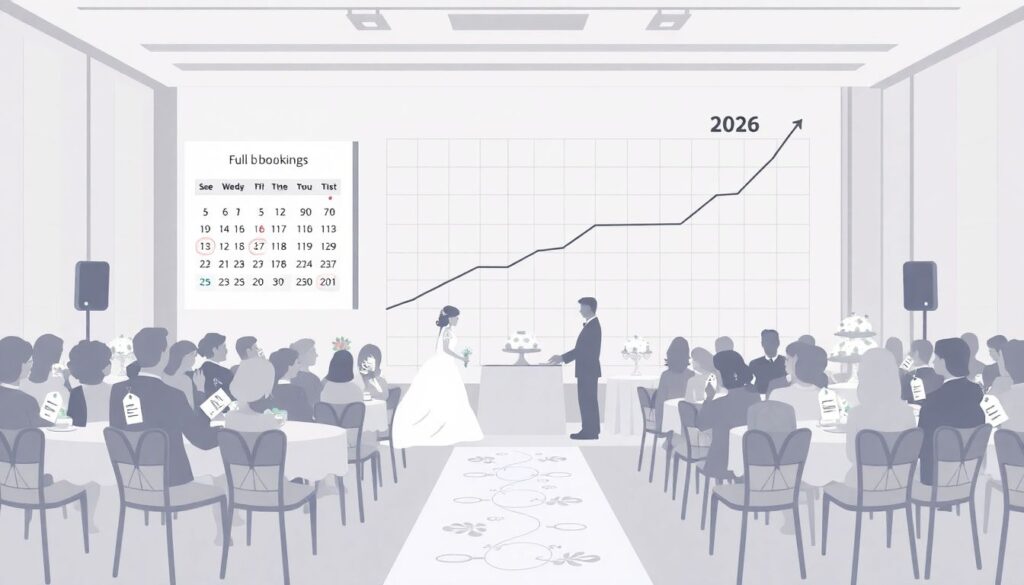
Industry analysts expect wedding volumes to stay high through at least 2026, but the growth curve is flattening. Translation: prices will likely keep rising, but slower than the spike years right after the pandemic. Venues and caterers may start offering more tiered options rather than across‑the‑board hikes—weekday and off‑season dates in particular should become more negotiable. Smaller, experience‑focused celebrations will remain popular, so packages that bundle ceremony, dinner and basic decor will expand, especially in suburban and rural areas. For you, the forecast means two things: book earlier to lock in current rates, and stay flexible on date and format. That combination gives you leverage to ask for extras instead of only discounts, preserving quality while respecting your ceiling.
—
Smart Saving Tactics That Don’t Feel Like Sacrifice
You don’t need to chase every trend to impress your guests. People remember warmth, food and flow far more than elaborate centerpieces. Focus your savings strategy on things that are invisible if done simply, not cheaply. For example, pick a naturally beautiful location and use fewer flowers, or serve family‑style food instead of plated courses to cut staffing needs. Use lighting—candles, string lights, a few spotlights—to create ambiance that looks intentional, not budget‑driven. When someone compliments the vibe, you’ll know you invested where it counts. The goal isn’t to hide your budget; it’s to make your wedding feel coherent and personal, not like a Pinterest collage that emptied your savings.
—
Cheap Wedding Ideas That Look Expensive
Some cheap wedding ideas that look expensive are more about editing than adding. Curate one or two strong visual statements instead of decorating every corner. For instance, a dramatic ceremony arch plus simple reception tables beats medium‑nice decor everywhere. Rent fewer but larger floral arrangements and repurpose them from ceremony to reception. Swap printed programs and menus for a few stylish signs. You can also buy a simple cake and dress it up with fresh flowers or a custom topper. Think in terms of textures—linen, greenery, candlelight—instead of sheer volume of stuff. These choices photograph beautifully and guests interpret them as “minimalist chic,” not “we cut corners.”
– Limit your color palette to two main tones and one accent for a polished look
– Use cloth napkins and real glassware; skip elaborate favors most guests forget anyway
– Borrow decor from friends who recently got married and tweak to fit your style
—
Venues and Packages: Where the Big Money Moves
Venue and catering usually eat 40–60% of a wedding budget, so this is your biggest lever. If you search for low cost wedding venues, don’t just filter by price—check what’s included. A venue that provides tables, chairs, basic linens and sound equipment might actually beat a cheaper bare‑bones space once you factor in rentals. Consider non‑traditional spots: community arts centers, university campuses, small museums, breweries, or restaurant private rooms. These often have built‑in character, so you spend less on decor. Also ask about weekday evenings or Sunday brunch times, which can knock thousands off your bill while giving vendors more flexibility to throw in extras like upgraded chairs or additional appetizer stations.
—
Finding Value in “Affordable Wedding Packages Near Me”
When you type “affordable wedding packages near me” into a search bar, remember that “affordable” is relative. Packages can be fantastic value—or sneaky budget killers—depending on what’s inside. Look beyond the headline price and compare per‑guest cost, number of hours included, and upgrade fees for things you actually care about, like extra bar time or a better sound system. Ask vendors to price out a la carte vs. package so you can see real savings. Sometimes the smartest move is to accept the package but remove one or two elements you don’t need, like printed menus or standard centerpieces, and redirect that money to photography or live music.
– Prioritize venues with flexible catering policies if you have cultural or dietary needs
– Clarify all service charges, taxes and overtime rates before signing
– Confirm whether decor, setup and cleanup time are inside your rental window
—
How Your Choices Shape the Wedding Industry
The way couples have managed budgets from 2022 to 2024 is already reshaping the industry. Demand for smaller guest lists but higher quality experiences has nudged vendors to create micro‑wedding and elopement packages, invest in better photo and video gear, and offer more transparent pricing online. As more people use digital tools instead of full‑service planners, vendors are simplifying contracts and adding online booking options. Your decision to be intentional with money—asking for custom quotes, valuing sustainability, avoiding wasteful extras—signals to the market what actually sells. Over the next few years, expect more modular services you can mix and match, and fewer rigid “one‑size‑fits‑all” bundles that ignore real‑world budgets.
—
Bringing It All Together Without Losing Yourself

Budgeting for a wedding without compromising your dreams isn’t about chasing the absolute lowest price; it’s about aligning money with meaning. Use data from the last three years as a reality check, not a prophecy—you now know roughly what big‑ticket items cost and why. Combine a clear dream‑first list, a living wedding budget planner, and a willingness to adapt on date, format and scale. Sprinkle in a few strategic shortcuts and cheap wedding ideas that look expensive, and suddenly the numbers feel less scary. In the end, guests won’t compare your day to averages and reports; they’ll remember how it felt to be there, celebrating you—something no price chart can measure.