
Why Long-Term Saving Feels So Hard (And Why It’s Actually Fixable)
Most people don’t struggle with understanding that saving is important; they struggle with actually doing it consistently for years. If you’ve ever promised yourself, “I’ll start saving next month,” only to watch that month disappear in a blur of bills, impulse buys and surprise expenses, you’re not broken — you’re normal. Building a saving habit that sticks for life is less about willpower and more about designing a system that makes the right choice the easy, almost automatic choice. In this guide, we’ll walk step by step through how to start a savings plan that works in the real world, with examples from people who started from zero and managed to build solid financial cushions without becoming extreme misers or giving up every pleasure in life.
Step 1. Get Crystal Clear on Your “Why” Before You Talk About “How Much”
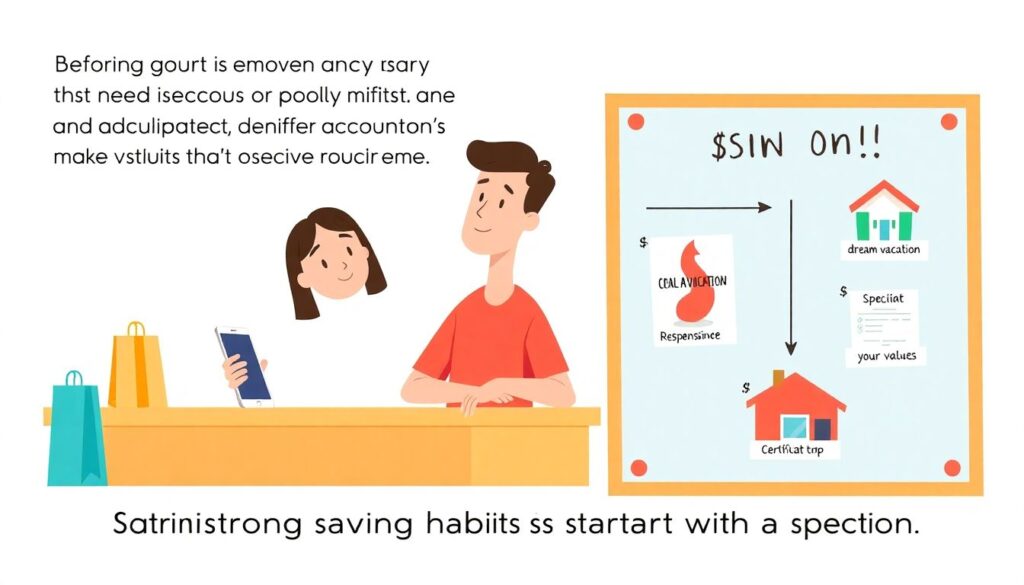
Before you open any account or download any app, you need a reason to save that actually moves you. “I should save because it’s responsible” is too vague and weak; your brain will happily trade that away for a new phone or a weekend trip. Strong saving habits start with a specific vision: “I want a six‑month emergency fund so I never panic when the car breaks down,” or “I want to put down 20% on a home in five years so my housing costs feel stable.” The more concrete and emotionally charged the reason, the easier it becomes to say no to short‑term temptations and yes to transferring money to savings even when the month feels tight.
Real case: Lena’s “no more panic” fund
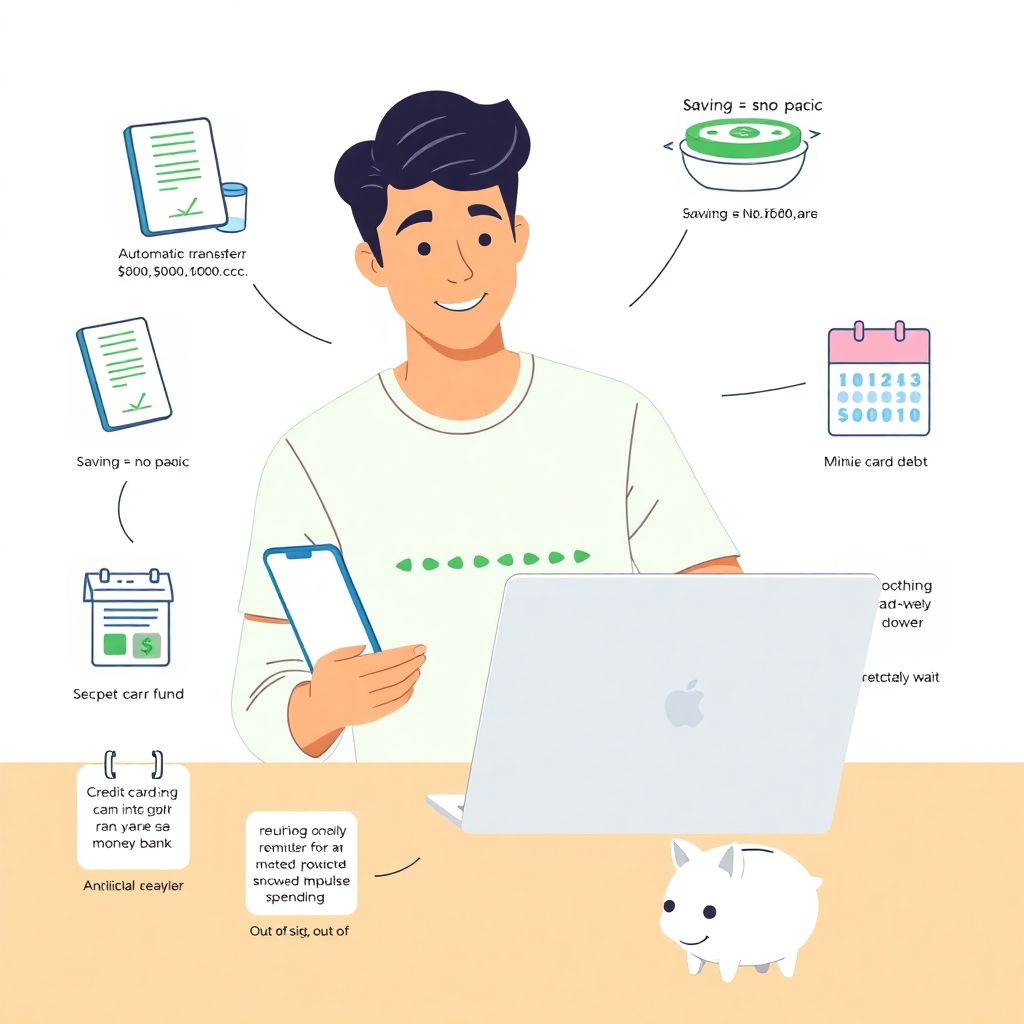
Lena was a 29‑year‑old designer who always felt one invoice away from disaster. Whenever freelance payments came in late, her anxiety spiked because she had no buffer. Saving “for the future” never stuck; there was always another tool to buy, another dinner out. When she reframed her goal as “a fund that lets me sleep when clients pay late,” everything shifted. She put a sticky note on her laptop: “Saving = no panic.” Every time she transferred even $30 to her account, she connected it to that feeling of calm. Within eight months she had $3,000 saved, not because she magically earned more, but because the “why” finally felt real enough to beat the urge to spend.
Step 2. Map Your Money: A Simple Snapshot, Not a Full Autopsy
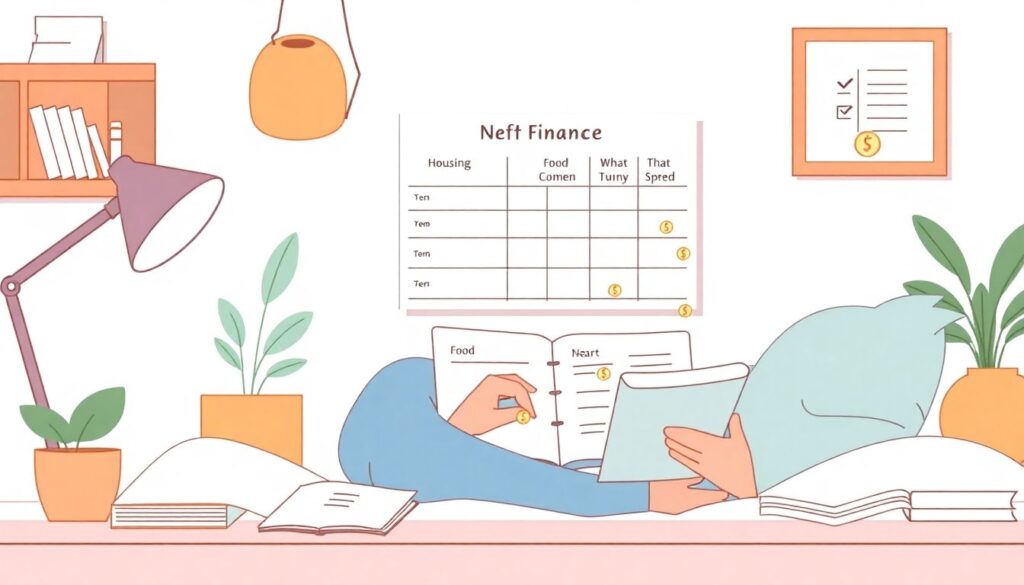
You don’t need a 20‑tab spreadsheet to begin, but you do need to know roughly what comes in, what goes out, and where the leaks are. Think of this as doing a quick map, not writing a financial novel. For one normal month, track your income and expenses in broad categories: housing, food, transport, debt, fun, and “mystery” (stuff you can’t easily categorize). Many people are surprised at how much disappears into that mystery bucket, which makes it one of the best ways to save money monthly without feeling deprived: reducing the spending you barely notice in the first place. Whether you use paper, notes on your phone, or an app, the point is awareness, not perfection.
Using apps without turning budgeting into a second job
If you hate spreadsheets, lean on technology. Some of the best budgeting apps for saving money connect directly to your bank, categorize transactions automatically, and let you set simple rules like “alert me if my restaurants category passes $200.” When picking an app, prioritize clarity over features: you want something that takes you five minutes a week to review, not a tool that demands constant tinkering. The habit you’re building isn’t “playing with an app,” it’s “checking in on my money once a week and adjusting course.” Apps are just there to remove friction.
Step 3. Decide Your First Target: Emergency, Debt, or Big Goal?
You’ll stick with saving longer if your first target is realistic and time‑bound. For most beginners, the first milestone is either a starter emergency fund (even $500–$1,000 changes how you feel about surprise expenses) or paying down expensive debt. If your credit card charges 25% interest, aggressively killing that balance can sometimes do more good than putting money into a regular savings account, but you still want a tiny cushion so an unexpected bill doesn’t send you back to the card. Pick just one main focus for the next 6–12 months to avoid spreading your efforts so thin that nothing noticeably changes, and write it down where you’ll see it weekly.
Case: Sam’s “boring” debt‑first plan
Sam, 35, had $4,000 on a credit card and about $300 in savings. His pattern was familiar: he’d get motivated, throw $200 into savings, then an emergency hit, and he’d swipe the card again, wiping out any progress. He eventually chose a clear order: build a $600 mini‑emergency fund, then attack debt, then grow savings. For three months he funneled every spare dollar into that first $600. Only then did he start overpaying the card. This boring, methodical approach broke the save‑spend‑borrow cycle because emergencies stopped going straight onto plastic. Nothing about his income changed, but the sequence did, and that made the habit finally stick.
Step 4. Automate First, Then Fine‑Tune
The most powerful saving habit is also the least glamorous: automatic transfers. Decide on an amount you can move to savings the day after you’re paid and set it up so it happens without you touching a button. Start smaller than you think. Many people overestimate what they can save right away and set a transfer so high that they cancel it after the first tight month. Begin with an amount you are 95% sure you won’t need to pull back, even if you hit a few bumps. Once you see that you survived three months with that automatic transfer, increase it in small steps. This gradual ramp up builds confidence and keeps your lifestyle from expanding as your income grows.
Start microscopic if you have to
If your budget feels suffocating, it’s better to save $10 every week consistently than $200 once and then give up for six months. The habit you’re installing is “money automatically moves to savings,” not “I hit some huge number instantly.” Many people underestimate the psychological power of seeing a separate account slowly grow; even a few hundred dollars creates a sense of momentum. When in doubt, lower the automated amount rather than turning it off completely, because the biggest danger is not a small number — it’s breaking the pattern and forgetting to restart it.
Step 5. Choose the Right Home for Your Savings
Where you park your savings matters because it shapes both your behavior and your results. For your emergency fund and short‑term goals, you want easy access, but not so easy that you treat it like a checking account. Many people open a separate high‑yield savings account at a different bank to create just enough friction that they don’t casually raid it for weekend spending. If you’re unsure which bank to use, doing a quick high yield savings accounts comparison can show you which ones offer solid interest rates, low or no fees, and decent online tools. Interest won’t make you rich overnight, but over years it quietly boosts your efforts while you sleep.
Case: Hiding savings from yourself (on purpose)
Jorge had tried saving within his main bank for years and consistently failed. Any time his checking account balance looked healthy, he took that as a sign that he could splurge, forgetting that part of that money was supposed to be “untouchable.” His solution was almost comically simple: he opened a savings account at a different bank with no debit card attached and set up automatic transfers for the day after payday. Because he stopped seeing that money in his day‑to‑day banking app, he started treating it as non‑existent. A year later, this “out of sight, out of mind” trick left him with over $5,000 saved, something he had never come close to when all his cash lived in one place.
Step 6. Use Small Systems to Make Monthly Saving Easier
To make saving a permanent habit, you want to attack the problem from both sides: increase how much you can save and reduce how often your plans get derailed. One of the best ways to save money monthly is to automate obvious cuts: cancel subscriptions you barely use, lower recurring bills by negotiating with providers, and set “default cheap” choices for weekday meals and transport. Then, combine that with a rule‑based system like “every time I get unexpected money — a refund, a bonus, a cash gift — 50% goes straight to savings.” These rules keep you from re‑deciding every time; the decision is made once and then repeated without extra effort.
Case: The 24‑hour pause that saved Mia thousands
Mia, 31, loved online shopping. She didn’t see herself as reckless, but small “treats” added up. Instead of banning fun purchases, she created a simple rule: any non‑essential purchase over $50 had to wait 24 hours in the shopping cart. Nine times out of ten, she lost interest overnight. She also set an automatic $80 transfer to savings every payday, which she later increased to $120 when she got a raise. After a year of combining this 24‑hour pause with automation, she checked her account and realized she had saved nearly $4,000 — without taking on a side hustle or moving into a cheaper apartment. The habit stuck because it didn’t feel like punishment; it felt like a smarter version of the life she already liked.
Step 7. Track Progress in a Way That Actually Feels Rewarding
Humans stick with habits when we can see and feel progress. If your only metric is “I still don’t have $50,000,” you’ll burn out quickly. Instead, create small, visible milestones: your first $100 saved, then $500, then $1,000, and so on. Mark them on a simple progress bar in a notebook, a note on your phone, or a whiteboard on your fridge. Checking your growth once a month is usually enough — more often and you might obsess; less often and it becomes abstract. Treat each milestone as proof that your system works, not as a reminder of how far you still have to go. This subtle mental shift keeps you coming back even when the goal is still distant.
Numeric targets that grow with you
Saving habits age with your life. Maybe in your twenties you’re focused on a $1,000 mini‑fund, in your thirties on a six‑month safety cushion, and later on retirement and investing. Revisit your targets once or twice a year and adjust them to fit your reality. This “annual money check‑up” is also a good time to look at whether your emergency fund still fits your lifestyle and whether you can increase your automatic transfers after a promotion or a change in expenses. Instead of wrenching, dramatic changes, you’re aiming for steady upgrades that keep your financial habits aligned with who you’re becoming.
Step 8. Common Mistakes That Destroy Saving Habits (And How to Dodge Them)
Even well‑designed saving systems can get knocked off course. Recognizing common mistakes makes them easier to avoid. One big trap is all‑or‑nothing thinking: you miss one month’s transfer and decide the whole plan is ruined, so you stop completely. Another is hiding from reality; when money feels stressful, people often stop checking accounts and ignore bills, which only makes the problem worse. A third mistake is trying to overhaul your entire life in one week — new budget, new diet, new workout — and burning out. Instead of letting one slip erase your progress, treat it as data: what went wrong, and how can your system be tweaked so the same thing is less likely next month?
Warning signs your system is too aggressive
If you constantly have to pull money out of savings to survive until the next paycheck, your plan is too ambitious. That back‑and‑forth transfer pattern is exhausting and trains your brain to see savings as temporary, not permanent. Scale down your automatic transfers to something you can keep even in a rough month. Another red flag is resentment: if you feel angry at your own plan because it leaves zero room for fun, you’ll rebel eventually. A sustainable habit leaves space for small pleasures; it doesn’t demand monk‑like discipline. Think “tight but humane,” not “perfect and miserable.”
Step 9. Tools and Support: You Don’t Have to Figure It All Out Alone
Plenty of people build strong saving habits solo, but if you’ve tried for years and keep ending up in the same spot, it’s worth getting help. For some, that means asking a more experienced friend to be an accountability partner; for others, it might mean hiring a personal finance coach to help me save money in a structured way. A good coach or advisor won’t just hand you a template budget; they’ll help you understand your spending patterns, beliefs about money, and emotional triggers, then design a saving system that fits your actual life. Guidance doesn’t remove your responsibility, but it can dramatically shorten your learning curve and reduce the number of painful mistakes along the way.
When professional help makes sense
If you’re juggling multiple debts, facing irregular income, or feeling genuinely overwhelmed every time you look at your accounts, outside support can be a game changer. Initial sessions often focus on clarifying your goals, building a bare‑bones emergency fund, and creating a realistic plan to handle debts while still putting something aside. Over time, the focus may shift to optimizing your accounts, automating more of your money flow, and eventually investing. You still make the choices, but you’re no longer guessing in the dark, which makes sticking to your saving habits much less emotionally draining.
Step 10. A Simple 5‑Part Action Plan to Start Today
To turn all of this into action, here’s a short sequence you can follow over the next few days. Don’t try to perfect it; your goal is to get moving and then refine as you go.
- Write down one clear saving goal for the next 12 months (emergency fund, debt cushion, house deposit, etc.) and define a specific amount and date.
- Track your income and expenses for one month using any method you’ll actually stick with — notebook, notes app, or a simple budgeting app that auto‑imports your transactions.
- Pick an initial automatic transfer amount that feels almost too small, schedule it for the day after you get paid, and send it to a separate savings account.
- Choose one “friction rule” to cut impulse spending (for example, a 24‑hour pause for purchases over a certain amount) and one rule for windfalls (a fixed percentage goes straight to savings).
- Set a recurring calendar reminder once a month for a 20‑minute money check‑in: review your balance, celebrate progress, adjust your transfer if needed, and re‑read your written goal.
Bringing It All Together: A Habit You Can Keep for Life
A lifelong saving habit isn’t about being the most disciplined person in the room. It’s about setting up a series of simple, repeatable decisions that quietly guide your money where you want it to go. You clarified your “why” so saving actually matters to you, mapped where your money currently flows, picked realistic targets, automated transfers, chose a smart home for your savings, and installed small rules that make daily decisions easier. You learned what pitfalls to avoid and how to ask for help if you need it. As your income, goals, and life circumstances evolve, you’ll keep adjusting the system — but the core stays the same: you regularly pay your future self first, on purpose. That’s how a small, almost invisible habit turns into lasting financial security over the years.