
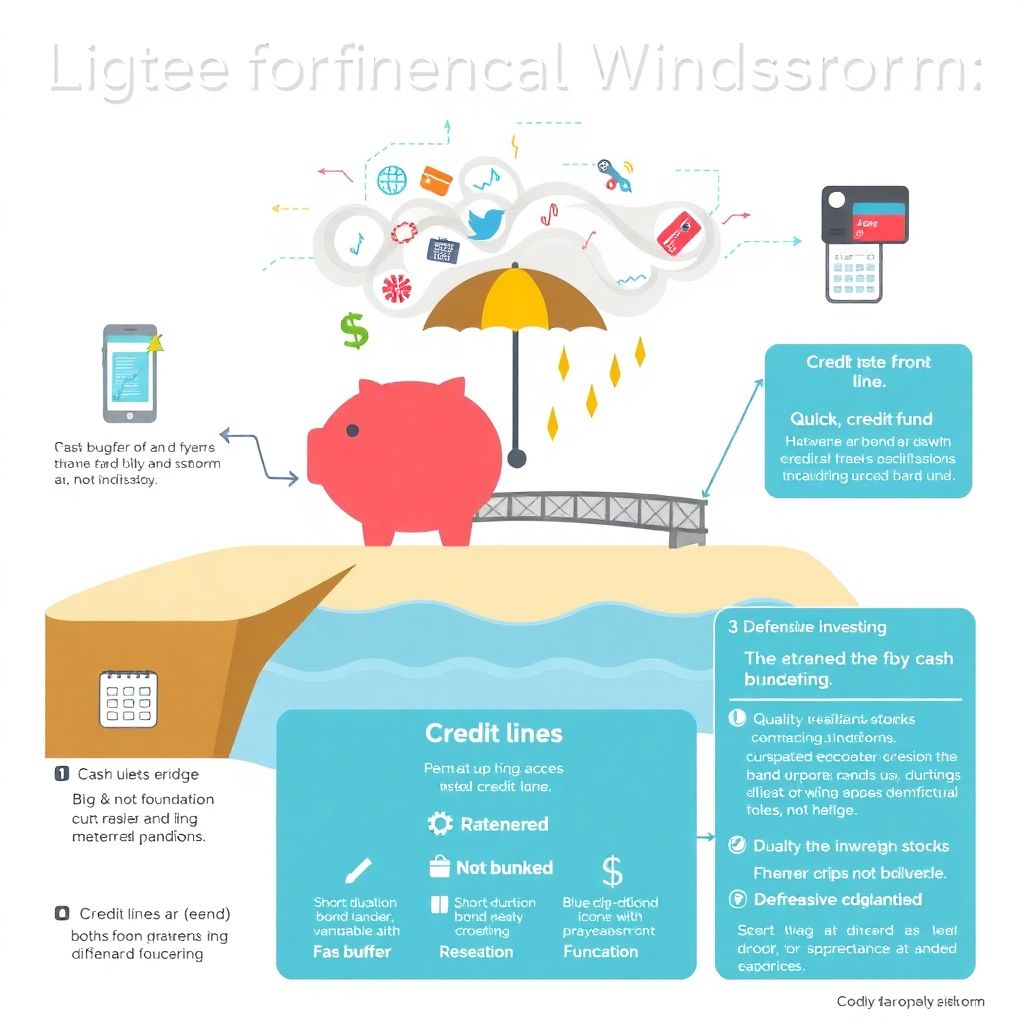
How to Prepare for Financial Windstorms: A Resilience Plan
Why “windstorms” keep hitting wallets
When markets wobble, rates jump, or jobs get shaky, the first casualty is cash flow. A financial windstorm is that messy overlap of price spikes, shrinking income, and jittery credit. You can’t predict the gusts, but you can shape how your finances flex. Think of resilience as layered: quick-access cash for the first shock, durable assets for the longer grind, and smart safeguards to keep decisions calm. We’ll compare approaches, unpack the tech, and map 2025 trends so your plan doesn’t crack under pressure.
Comparing core approaches
Cash buffers vs. credit lines
A strong cash buffer is your first line of defense. Parking three to six months of expenses in one of the best high-yield savings accounts keeps money liquid while earning something real. Use an emergency fund calculator to size the cushion to your income volatility and dependents. Credit lines help too, but they’re fickle in storms—limits can shrink, and rates can jump right when you need them. Cash buys time and choice; credit is a bridge, not a foundation, and should be tested before trouble arrives.
Defensive investing, without hunkering down
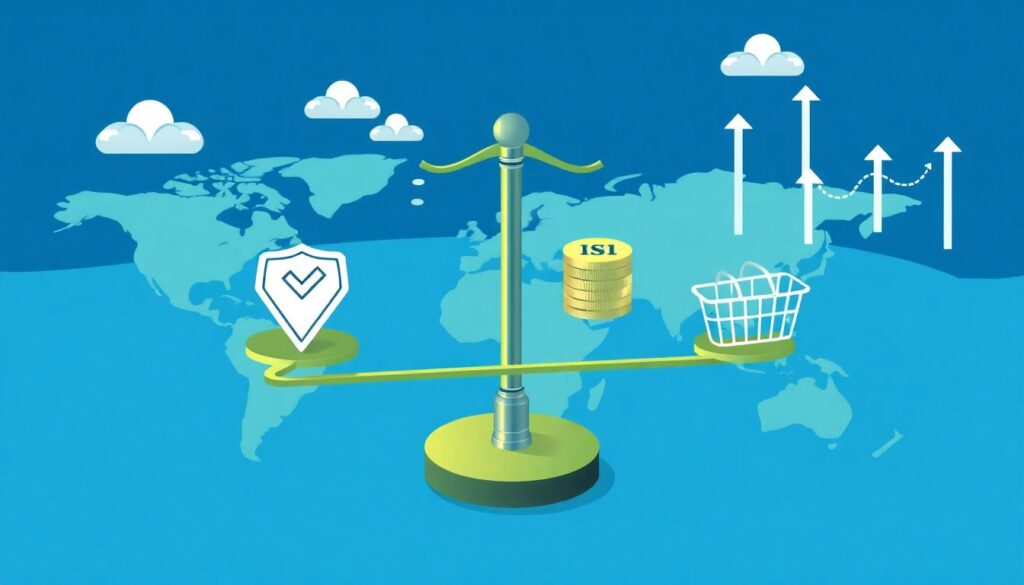
When the outlook dims, people chase safety and miss growth. Instead, balance: hold short-duration bonds for rate risk, pair with quality dividends, and reserve a slice for recession proof investments like essential utilities or consumer staples. Diversify across geographies to avoid single-economy shocks. Rebalancing is your autopilot: harvest gains, refill laggards, and keep risk steady. Avoid panic selling by pre-setting rules—percent bands or calendar checks—so discipline beats headlines when volatility spikes.
Tech and tools: pros and cons
Automation, analytics, and advice
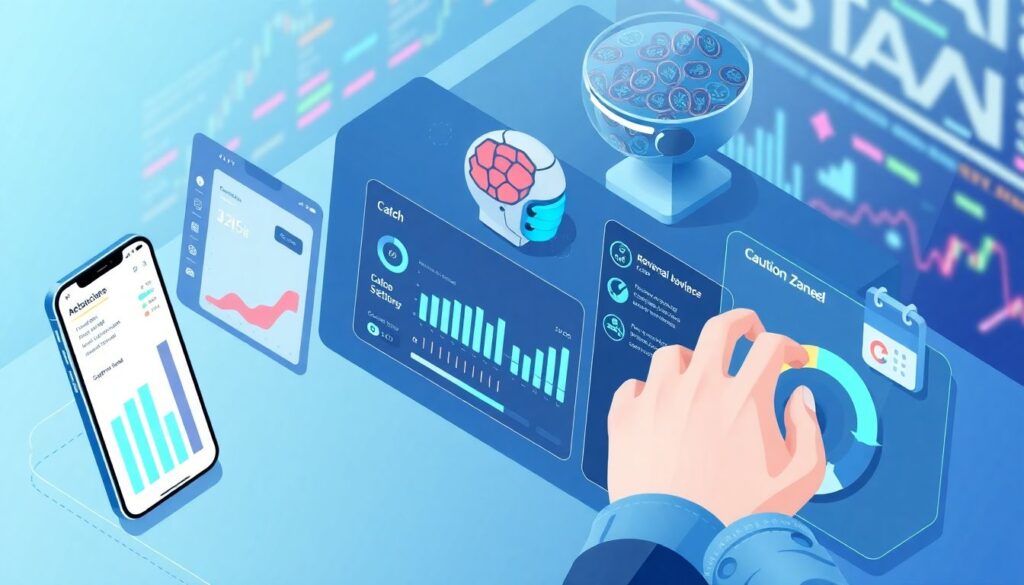
Budgeting apps, robo-advisors, and alert systems reduce friction, but they’re not magic. Automation cuts errors and nudges saving, yet it can mask drift if you never review settings. AI-driven insights speed decisions, though model limits matter in fast, noisy markets. Hybrid help—digital dashboards plus human planners—often wins. If you prefer face-to-face, search financial planning services near me to vet fiduciary support. The tradeoff is cost versus clarity: pay for alignment, not for bells that distract.
Income safeguards and insurance layers
Income protection can be the quiet hero. Short-term disability covers near-term shocks; long-term disability is the real moat if an illness lingers. Get multiple income protection insurance quotes to compare definitions of disability, elimination periods, and partial-benefit rules—these details move the payout needle. Pair coverage with an emergency fund so claims delays don’t sink you. Watch employer policies for gaps; a portable private plan can follow you through job changes and self-employment pivots.
How to choose: a practical checklist
Decision rules you can actually use
1) Define the storm you fear most—job loss, rate spikes, or medical costs—and size buffers accordingly; 2) Automate savings into a tiered setup: checking, high-yield, and brokerage; 3) Cap any single risk—no more than 20% of income from one client or sector; 4) Pre-authorize rebalancing and raise cash when markets are calm; 5) Run annual drills: pause one paycheck, stress-test debt at +2% rates, and refresh beneficiaries and passwords so recovery is swift.
Trends 2025 and what’s next
What’s shaping resilience this year
In 2025, higher-for-longer rates reward savers but strain borrowers, making cash placement strategic. Banks compete on liquidity features, not just APY, so scrutinize transfer speeds and limits alongside yield. Retail portfolios are tilting toward quality credit and defensive equity factors, while alternatives get used surgically, not as fads. Insurance underwriting is tightening around gig workers, raising the value of early applications. Expect advisory hybrids to blend algorithms with hourly human consults for flexible access.
Forecast: the road to 2028
Volatility will likely stay elevated as supply realigns and demographics reshape labor. That favors resilient cash ladders, disciplined rebalancing, and selective recession proof investments rather than all-in bets. Personalization will deepen: tools will sync payroll, bills, and risk data to auto-tune buffers—think an emergency fund calculator that learns your spending seasonality. Advice will localize—people will seek financial planning services near me for nuance—while marketplaces standardize income protection insurance quotes for apples-to-apples clarity.