
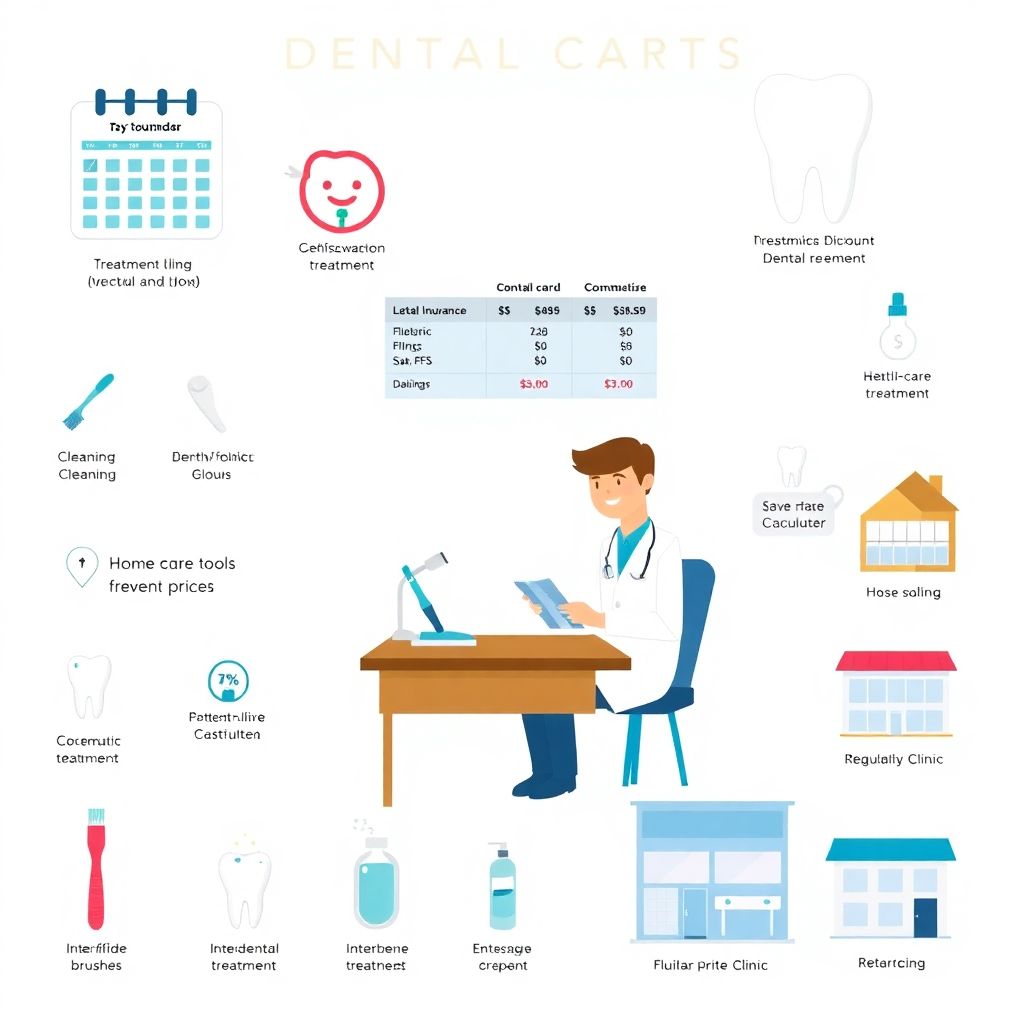
Paying for dental work doesn’t have to feel like taking out a second mortgage. With a bit of planning and the right questions, you can cut costs sharply without cutting corners on quality, and dentists themselves actually recommend this approach. Below is a practical, step‑by‑step guide, built on common advice from preventive dentistry experts and clinic managers who see every day where patients overspend.
—
Understanding Where Dental Costs Really Come From
Dentists often explain that most people pay not for complicated treatment, but for years of ignored prevention. Cavities that could have been fixed with a cheap filling quietly grow into root canals and crowns. So the first expert recommendation is simple: invest in prevention as if it were insurance. Even affordable dental care near me usually becomes much cheaper when problems are found early, because cleanings and small repairs use less chair time, fewer materials and no lab work. Your job is to make the system work in your favor by showing up early, not late.
—
Necessary Tools for Saving on Dental Care
Financial “Tools” You Should Know About
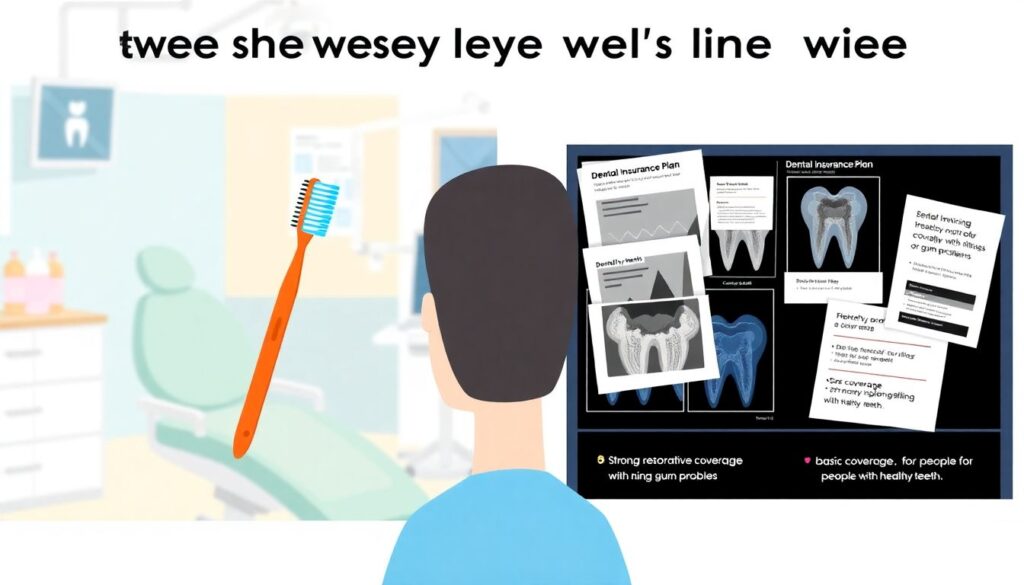
To save intelligently, you need a small toolkit of financial instruments, not just a toothbrush. Look at dental insurance plans to save on dental work that match your real risks: if you have many fillings or gum issues, a plan with stronger restorative coverage may pay off; if your teeth are healthy, focus on plans that cover checkups and cleanings at 100%. Experts also recommend exploring discount dental plans for families, which aren’t true insurance but membership programs that give fixed percentage discounts at participating clinics. Combine that with an HSA or FSA at work, and you can pay the reduced price with pre‑tax money, boosting your savings further.
– Employer dental insurance or stand‑alone policies
– Membership‑based discount programs
– Health Savings Account (HSA) or Flexible Spending Account (FSA)
Practical Home-Care Tools That Actually Cut Costs
Dentists constantly repeat that the cheapest procedure is the one you never need. Their advice sounds boring, but it is backed by hard numbers: good home care can delay expensive work for decades. A soft‑bristled brush, an electric toothbrush if your technique is poor, fluoride toothpaste, floss or interdental brushes, and a simple tongue scraper create a powerful barrier against plaque and cavities. Many experts also suggest adding a fluoride mouthrinse at night for people with a high cavity rate. None of these items are high-tech or pricey, but together they dramatically reduce how often you need anything beyond basic visits.
—
Step-by-Step Process to Get Quality Care for Less
Step 1. Map the Real Options Around You
Instead of googling once and picking the closest clinic, approach the search like a small research project. When you look up “affordable dental care near me,” don’t stop at the ads; check community health centers, dental schools, and nonprofit clinics as well. Low cost dental clinics with payment plans may not spend on flashy marketing, yet they often have experienced dentists and transparent fee schedules. Call at least three offices, ask for the price of an exam, X‑rays, and cleaning, and whether they offer new‑patient packages or membership clubs. Experts in practice management note that simply comparing a few offices can cut your bill by 20–40% without any loss in quality.
Step 2. Use Preventive Packages and Seasonal Deals
Many clinics quietly run cheap teeth cleaning and checkup deals several times per year, especially for new patients or during slower seasons. According to marketing consultants who work with dental practices, these promotions are designed to fill empty chairs, not because the care is somehow lower in quality. Ask reception if there are upcoming specials, and sign up for the clinic’s email list. Pair those offers with your insurance or discount plan to stack savings. The expert move is to schedule your regular exam during these windows and use the appointment to build a long‑term treatment plan, instead of waiting until something hurts and rushing in at full price.
Step 3. Plan Treatment in Phases, Not All at Once
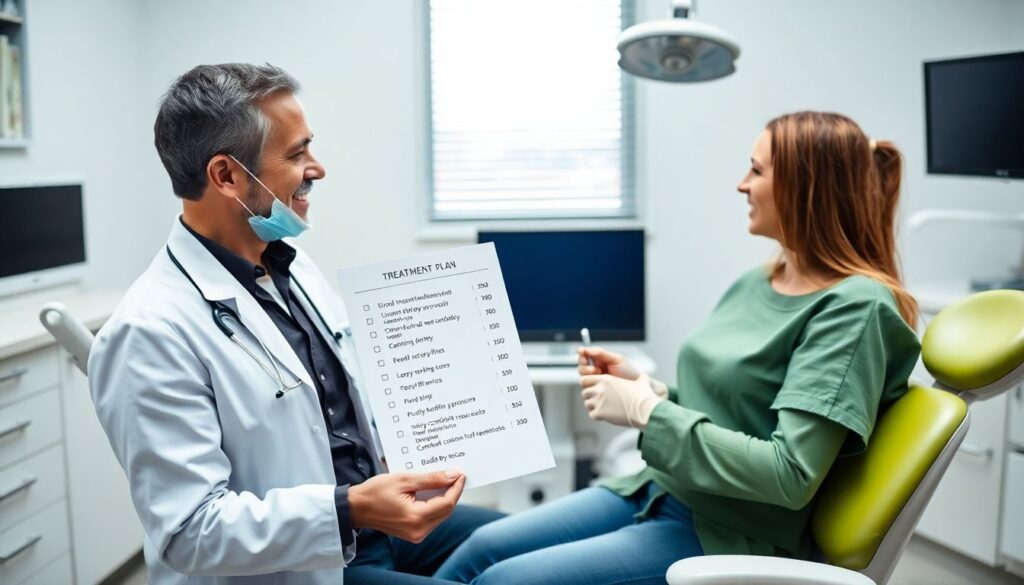
When you do need work, ask your dentist to prioritize by urgency and health impact. Experienced clinicians routinely phase treatment for patients on a budget: critical infections and deep decay first, then less urgent fillings, then purely cosmetic issues. Request a written plan with separate prices for each step. Many dentists will also flag “watch areas” that can be safely monitored rather than treated immediately. Spread those visits across the year to align with insurance coverage cycles or your cash flow. This phased approach, widely recommended in clinical guidelines, prevents financial shock while still protecting your long‑term oral health.
—
Using Payment Options Without Overpaying
Negotiating, Memberships, and Payment Plans
Talking about money with a dentist may feel awkward, but front‑desk coordinators deal with it all day and often have levers to help. Ask directly if the office offers in‑house membership programs that include cleanings, X‑rays, and discounts on treatment for an annual fee; these are especially useful if you lack insurance. Some low cost dental clinics with payment plans allow you to spread bills over months with little or no interest for short terms. Financial advisors who specialize in healthcare warn, however, against long‑term high‑interest financing: the added interest can quietly wipe out all your savings. Always compare the total final amount, not just the monthly payment.
– Ask for membership or loyalty programs
– Check interest rates and extra fees on financing
– Request a cash‑pay or upfront payment discount
When Dental Insurance Really Helps—and When It Doesn’t
Experts emphasize that insurance is a cost‑sharing tool, not a blank check. If your employer subsidizes premiums, most basic dental insurance plans to save on dental work are worth having for preventive visits alone. But if you buy an individual policy, run the math carefully: compare annual premiums plus copays against what you realistically use each year. Some people are better off combining a simple preventive plan with discount dental plans for families to reduce major work costs. Make sure any dentist you choose is in‑network if you rely on insurance; going out‑of‑network can erase your expected savings almost instantly.
—
Troubleshooting Common Problems and Hidden Costs
If a Treatment Plan Seems Overwhelmingly Expensive

If you receive a shockingly high estimate, don’t panic and don’t feel pressured to decide on the spot. Seasoned clinicians themselves advise getting a second opinion, ideally from a dentist in a different type of practice—if the first is high‑end cosmetic, try a community‑oriented general clinic or a university dental school. Ask each dentist to explain which items are medically necessary and which are optional upgrades. For example, there may be cheaper materials or simpler restoration designs that are still clinically sound. Clear explanations are a hallmark of quality care; if a dentist resists your questions, that’s a red flag, not a sign of expertise.
When You Keep Getting New Cavities Despite Good Habits
Sometimes patients feel they’re doing everything right yet still land in the chair with fresh decay. Preventive dentistry experts recommend treating this as a diagnostic puzzle, not bad luck. Ask for a caries‑risk assessment: your dentist can look at saliva flow, diet, medication side‑effects, and even the specific bacteria in your mouth. Targeted solutions—prescription‑strength fluoride, remineralizing pastes, custom trays, diet adjustments—may cost a little up front but drastically reduce future treatment needs. In other words, fine‑tuning your prevention strategy is often the smartest financial move, because stabilizing your oral environment protects you from the most expensive procedures.
—
By combining smart financial tools, realistic planning with your dentist, and upgraded daily care, you can cut dental bills without cutting standards. The core expert message is consistent: show up early, ask specific money questions, and use prevention as your main savings engine.