
Why персональные финансы сейчас важны как никогда
Over the last three years, money stress has quietly become a global norm. According to Allianz and OECD surveys, about 55–60% of adults in 2022–2024 said they worry about paying regular bills as prices rise. In the US, credit‑card balances passed $1.1 trillion by late 2024, up roughly 25% from 2021, while savings rates fell below pre‑pandemic levels in most developed economies. Against this backdrop, “personal finance for beginners” is no longer a niche topic; it’s basic survival skills, especially for people starting careers in an unstable, inflation‑heavy decade.
Что такое личные финансы в практическом смысле
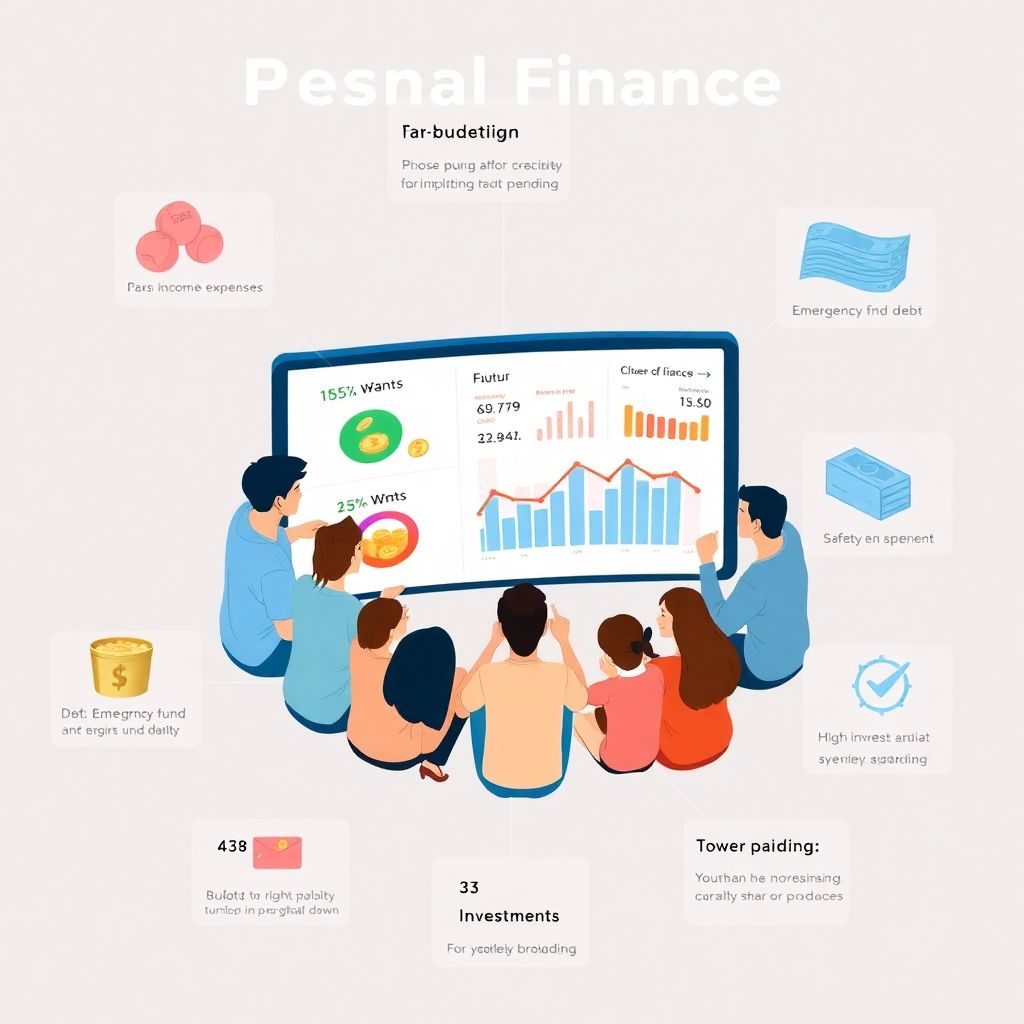
Personal finance is just a structured way to answer four questions: what you earn, what you spend, what you owe, and what you grow. Since 2022, fintech reports show a steady 10–15% annual increase in users who track these numbers digitally at least once a week, yet most still lack a system. A solid personal finance for beginners course, whether online or offline, typically walks through cash‑flow tracking, debt control, risk protection, and investing basics, turning scattered decisions into a repeatable process you can review monthly.
Бюджет как базовый инструмент контроля
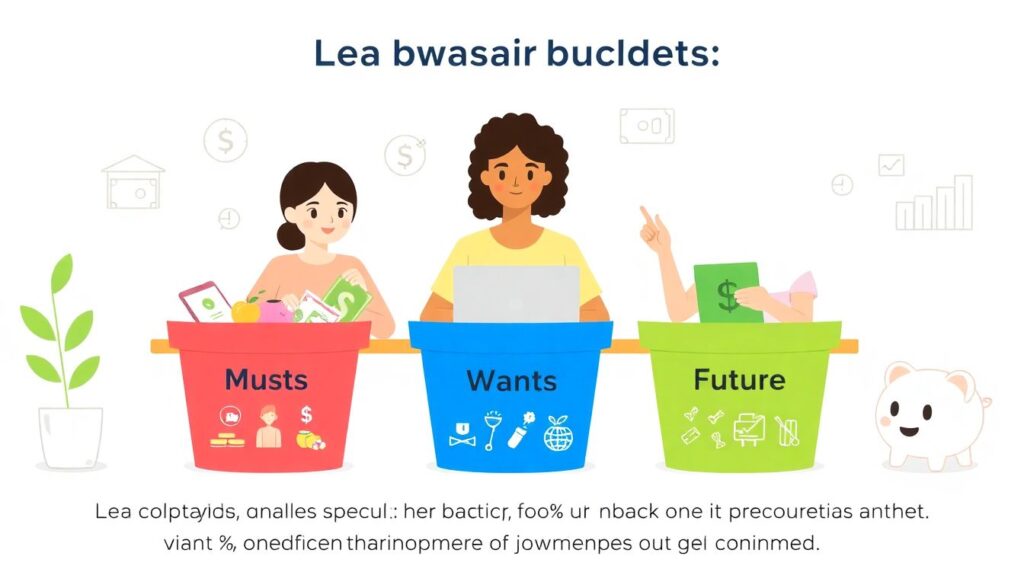
If you want to know how to start budgeting for beginners without overcomplicating it, think in three buckets: “musts, wants, future.” Empirically, households that track spending even casually cut non‑essential outlays by 10–20% within six months, according to 2023–2024 research by US and EU consumer agencies. At the macro level, better household budgeting stabilizes consumption: people smooth expenses instead of panic‑cutting when prices spike. This softens demand shocks, making economies slightly less volatile and giving central banks more predictable patterns to work with.
Статистика по привычкам экономии и долга
From 2022 to 2024, around 35–40% of adults in rich countries reported they could not cover an unexpected $400–€400 expense without borrowing, a figure that barely improved despite wage growth. Student and consumer debt burdens stayed high, with delinquency rates edging up in 2023 as interest rates rose. Yet adoption of personal finance apps for beginners grew fast: downloads increased roughly 30% worldwide over three years. This contrast—high stress but rising tool usage—suggests awareness is improving, while structural cost pressures (housing, healthcare, education) still hold many people back.
Экономические аспекты: как личные решения масштабируются
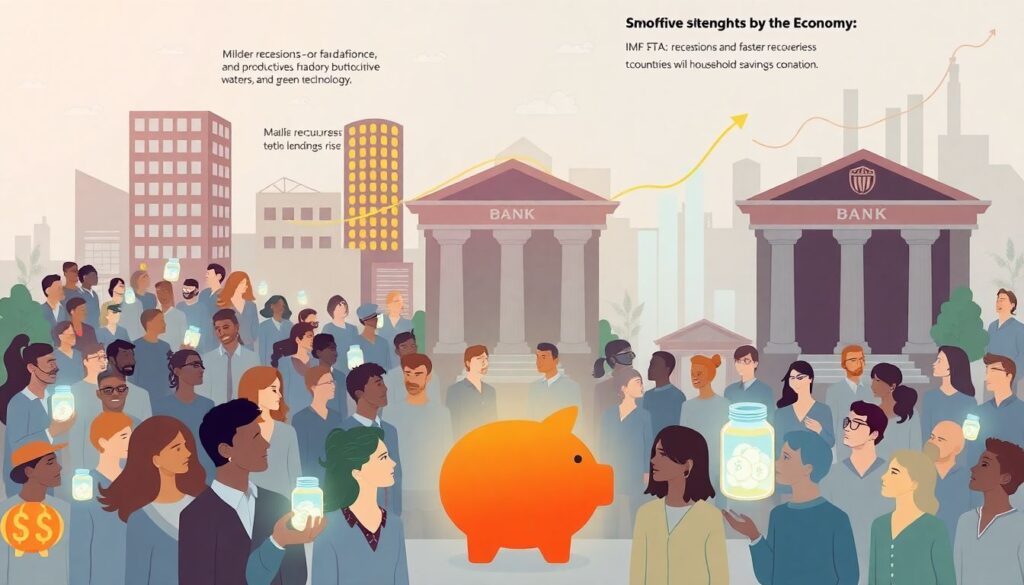
Individual money choices add up. When millions learn to prioritize emergency funds, default risk for banks falls at the margin, freeing more capital for productive lending. IMF estimates show that countries with higher household savings rates tend to face milder recessions and faster recoveries. Between 2022 and 2024, Asian economies with disciplined saving cultures weathered tightening monetary policy better than heavily indebted Western households. So every time a beginner sets aside even 5–10% of income, they’re not just protecting themselves; they’re slightly strengthening the financial system’s resilience.
Инвестиции для новичков и статистика доходности
Once short‑term stability is in place, investment strategies for beginners should focus on broad, low‑cost diversification, not stock‑picking heroics. Over the last 30 years, global equity index funds returned around 7–8% annually after inflation, while cash generally lost purchasing power during 2022–2024’s inflation spike. Data from 2023 brokerage reports show that new investors who stuck to diversified funds outperformed active traders by 3–5 percentage points per year. For a first portfolio, simple rules—regular contributions, wide diversification, and patience—statistically beat most complex, fee‑heavy products sold to nervous newcomers.
Нумерованный стартовый план для новичка
A practical way to begin is to follow a short sequence: 1) Track every expense for 30 days to reveal your real lifestyle cost. 2) Build a starter emergency fund of at least one month’s expenses, aiming for three to six over time. 3) Attack high‑interest debt first while paying minimums on the rest. 4) Automate retirement and investment contributions as soon as cash‑flow allows. 5) Schedule a 30‑minute monthly “money check‑in.” Each step is small, but together they reshape your financial trajectory over the next three to five years.
Курсы, книги и приложения как инфраструктура знаний
The learning market has exploded since 2022. Searches for a structured personal finance for beginners course grew in double digits yearly, and major platforms report completion rates improving when lessons stay under 15 minutes. Many learners mix formats: quick videos, the best personal finance books for beginners for deeper context, and daily tracking through apps. Modern personal finance apps for beginners now integrate bank feeds, budgeting, investing, and even behavioral nudges, reducing friction. This ecosystem turns theoretical advice into daily habits, which is where long‑term change really happens.
Влияние на финансовую индустрию и бизнес‑модели
As beginners get savvier, the industry is being forced to adapt. From 2022 to 2024, low‑cost index funds and robo‑advisors captured a rising share of new investment accounts, pressuring traditional advisors who rely on high commissions. Banks are embedding financial‑education modules directly in apps to boost engagement and retention. Insurers experiment with discounts for customers who complete money‑management lessons. This shift from opaque products to transparent, education‑driven services is gradually lowering average fees, though it also pushes firms to monetize data and premium features more aggressively.
Прогнозы до 2030 года: куда движется личный капитал
Looking ahead to 2030, most think‑tank forecasts expect household finances to stay under pressure from housing costs and climate‑related disruptions, but also to become more data‑driven. AI‑powered coaching will likely turn what you’re reading now into real‑time, personalized guidance embedded in banking and investment interfaces. Regulators in the US, EU, and parts of Asia already discuss stronger rules around financial nudging and transparency. For beginners, this means more tools and protections, but also a greater need to filter noise and keep a simple, principled money framework.
Как собрать всё воедино и начать сегодня
You don’t need perfection to make progress; you need a repeatable system. Pick one budgeting method, one savings goal, and one broad investment vehicle, then give yourself a year to practice. Revisit this ultimate starter guide every few months and adjust as income, goals, and economic conditions change. Over the last three years, people who consistently followed even basic plans ended up with higher savings, lower debt, and less anxiety than those who relied on willpower alone. The earlier you start, the more time does the heavy lifting for you.