
Category: Financial Literacy for Kids
-

How to set up your child’s first allowance system and essential rules to follow
Set up a first allowance system by choosing a realistic weekly amount, tying it to clear responsibilities, and paying on the same day every week. Use simple rules for saving, spending, and giving, backed by written expectations. Review the system monthly and adjust as your child’s age and responsibilities grow. Core Principles for Launching an…
-
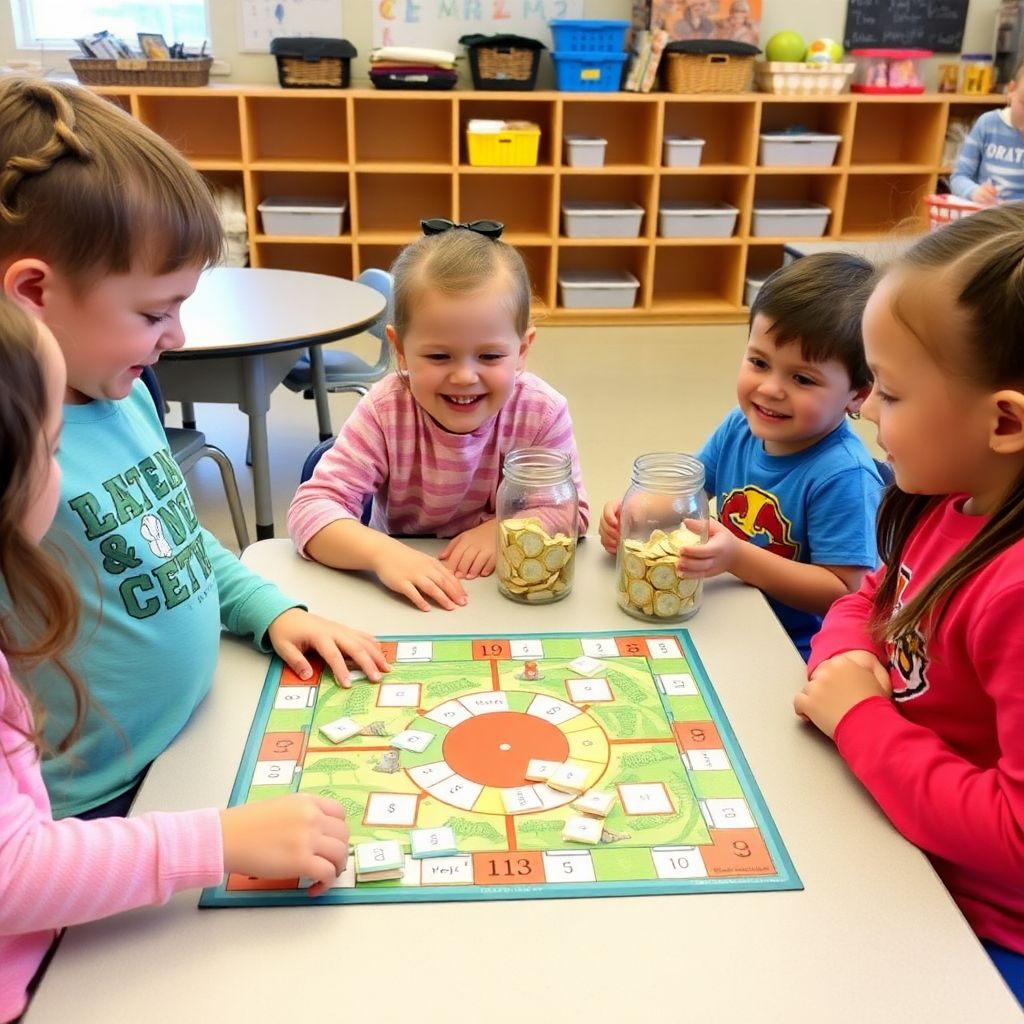
Fun games to teach kids saving, spending and sharing money
Use simple, repeatable money games for kids to practice saving, spending, and sharing with low risk. Mix educational board games about money for kids, quick DIY jars, and role‑plays about real‑life choices. Keep sessions short, fun, and age‑appropriate so financial literacy games for children become a natural part of family or classroom routines. Essential Concepts…
-

Digital tools for money-savvy families: budgeting apps and smart kid cards
Digital tools for money-savvy families are apps and cards that help parents and kids plan spending, track goals, and learn healthy money habits together. They include the best family budgeting apps, money management apps for parents and kids, kids debit cards, and even low-tech options for families with limited devices or income. Core Principles of…
-

How to read financial news headlines without panicking or tuning out
To read financial news headlines without panicking, slow your reaction, translate drama into plain language, and verify the underlying numbers before touching your portfolio. Treat each headline as a hypothesis to test, not a command to act. Use a simple checklist: who says this, what exactly changed, how big is it, and over what timeframe?…
-

How to crush credit card debt with debt snowball and avalanche methods
The safest, most effective way to crush credit card debt is to choose a structured payoff method (snowball or avalanche), lock in a realistic monthly payment above your minimums, stop adding new debt, and review progress monthly. Snowball maximizes motivation; avalanche usually minimizes interest. You can safely combine both and adjust over time. Quick Action…
-

From chaos to clarity: set up a one-hour-a-week money check-in routine
A one-hour-a-week money check-in is a recurring appointment where you calmly review income, spending, balances, and upcoming bills, then make small adjustments. You use simple tools (like a calendar, spreadsheet, or budgeting app) and repeat the same brief agenda, turning chaotic money worries into a predictable, low-stress weekly routine. Core Objectives for Your Weekly Money…
-

Latest inflation numbers: what they mean for your family budget and spending
The latest inflation numbers tell you how fast prices are rising and how quickly your family’s purchasing power is shrinking. Translate the new rate into dollars on your own bills, then adjust: tighten short‑term spending, rethink savings and debt, and gradually shift into safer, inflation‑aware investments that match your risk tolerance. Immediate implications of the…
-

52-week savings challenge: turn small money habits into big financial results
The 52-Week Savings Challenge is a structured weekly plan that gradually increases your savings so small, safe deposits grow into a meaningful cash cushion. You pick a weekly amount pattern, automate transfers, track progress with a chart or app, and adjust contributions to match your income, goals, and risk comfort. Core Principles of the 52-Week…
-
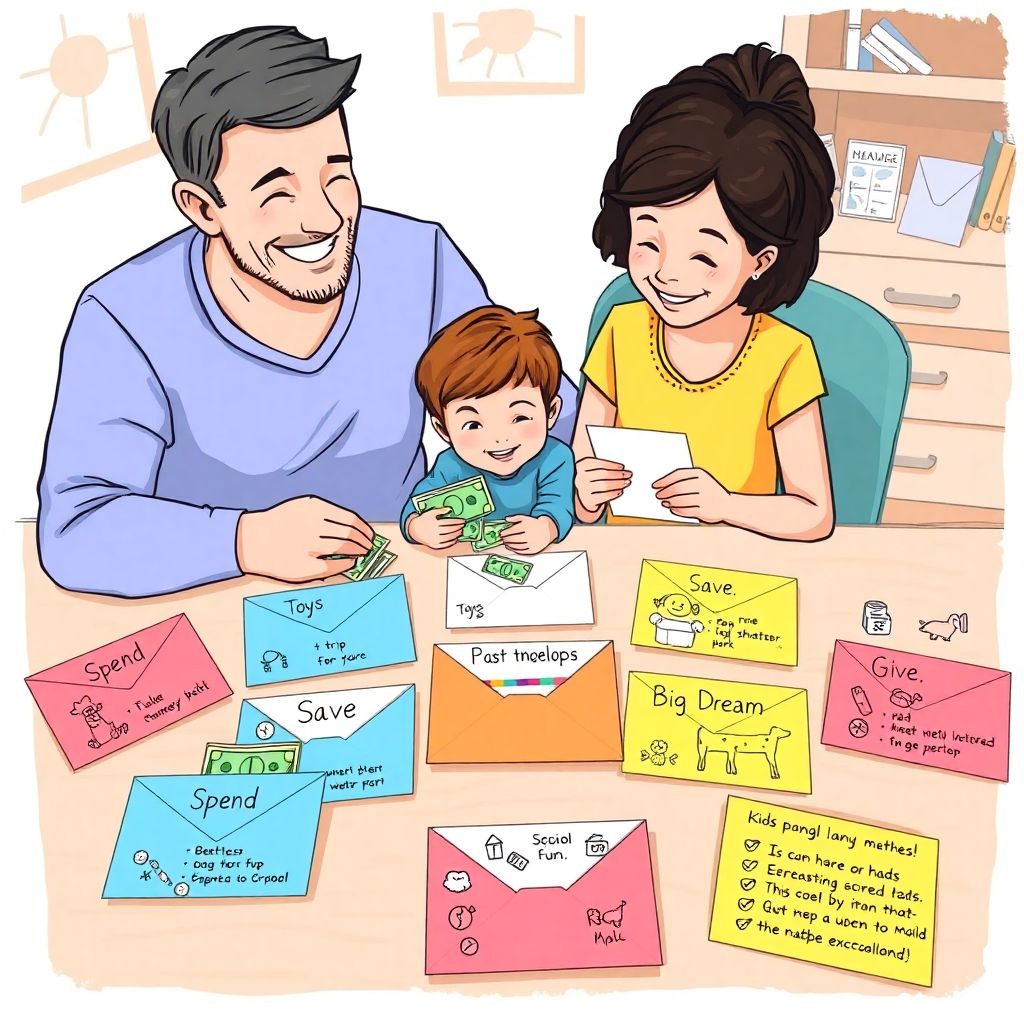
Envelope method for kids: teach children to spend, save and give wisely
Why the Envelope Method Works So Well for Kids Kids understand things, когда их можно потрогать. Цифры в приложении выглядят абстрактно, а вот настоящие конверты и купюры кажутся реальными и «серьёзными». Поэтому envelope method for kids money management так хорошо ложится на детское мышление. Ребёнок буквально видит, как деньги приходят и уходят, как один конверт…
-
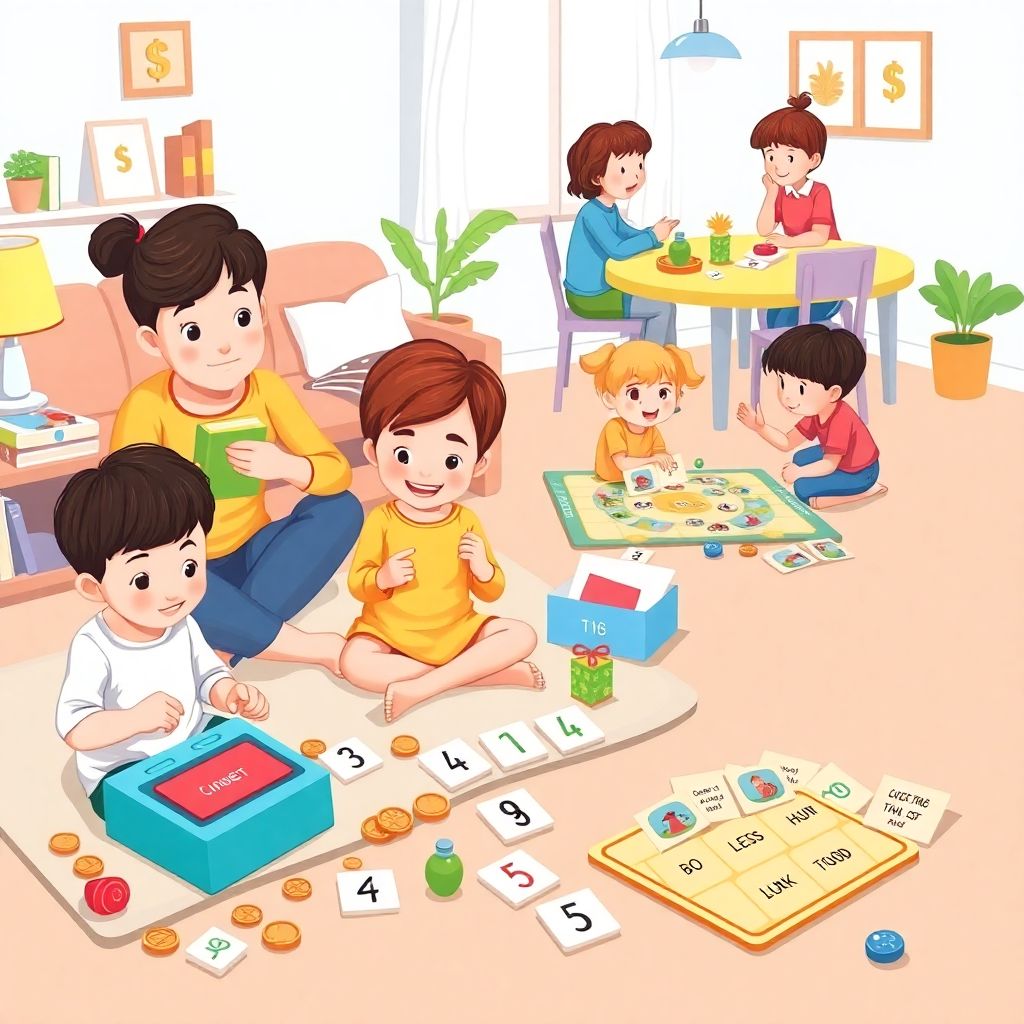
Teaching kids about money through fun games and activities for ages 4–10
Why Money Lessons Matter Before Age 10 Most parents думают о финансах ближе к подростковому возрасту, но исследования показывают, что базовые установки о деньгах формируются до 7 лет. К 10 годам ребёнок уже интуитивно понимает, что такое «дорого», «дёшево» и «срочно нужно». Если в этот период подключить продуманные teaching kids about money activities, формируется финансовое…