
Category: Investment Insights
-

Teaching kids about money with age-appropriate lessons from preschool to teens
Teaching kids about money works best as small, age-appropriate lessons: play with pretend cash in preschool, simple choices and coins in early grades, saving and earning in upper elementary, digital money and goals in middle school, and real-world banking, credit, and taxes through the teen years and into independence. Core Financial Concepts to Cover at…
-
Is debt consolidation right for you: key pros, cons and red flags explained
Debt consolidation is useful when it lowers your interest cost, simplifies payments, and fits a realistic payoff plan without adding new risk. It is wrong for you if it encourages more spending, relies on optimistic income changes, or uses aggressive sales tactics, high fees, or vague promises of quick fixes. Quick Assessment: Is Consolidation a…
-

Money conversations for couples: build a shared financial plan without fights
Money conversations for couples work best when they are regular, calm, and structured: first agree on ground rules, then share numbers, values, and goals, and finally choose simple tools and routines. You are not solving every problem at once; you are building a shared system so money stops driving fights. Essential Starting Agreements for Couples’…
-

The psychology of saving money: small behavior tweaks for big financial results
Small behavior tweaks work because they remove friction and use your brain’s shortcuts in your favor. To save more, separate money into clear “buckets,” automate transfers right after payday, use tiny daily rules for spending, add simple rewards, and review progress with a quick weekly and monthly check-in. Core Behavioral Principles That Boost Saving Use…
-
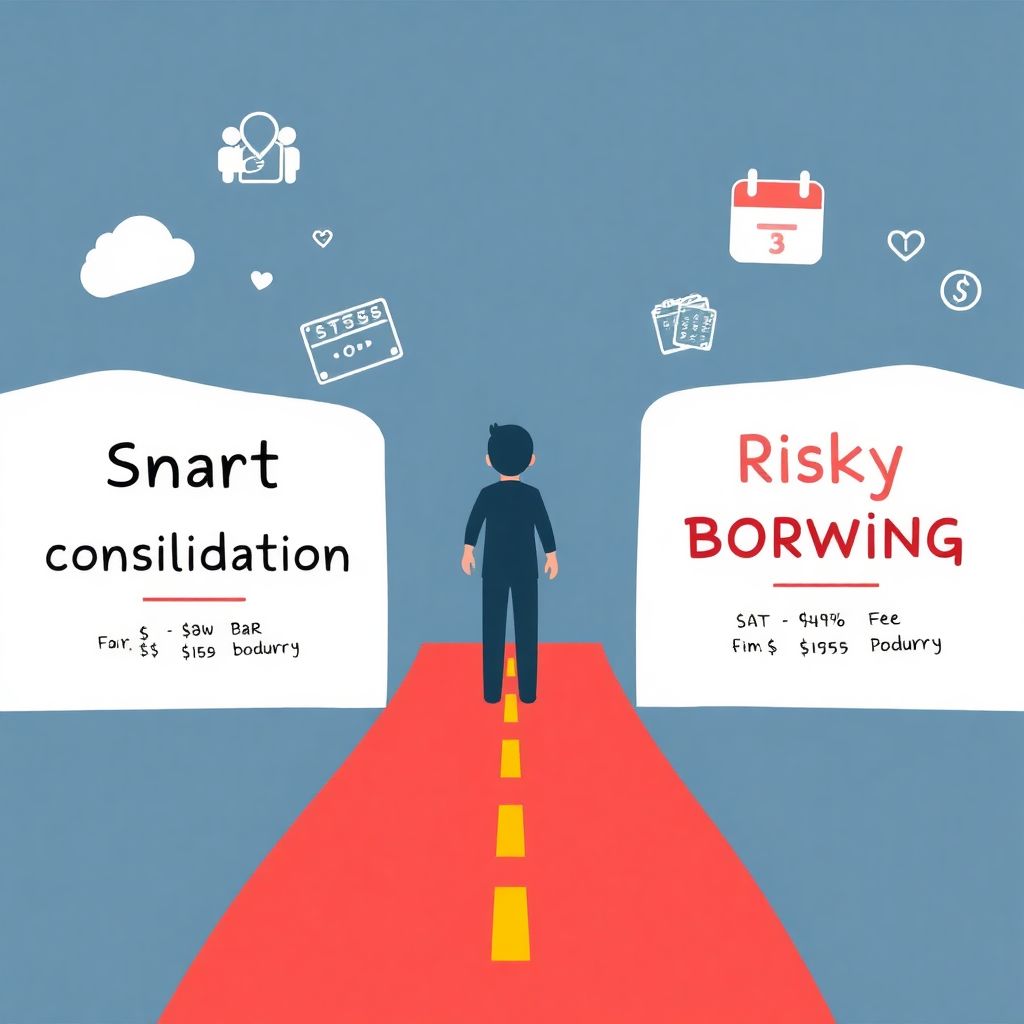
Is debt consolidation right for you?. Pros, cons and red flags explained
Debt consolidation is right for you only if it lowers your total interest, gives a clear payoff date, and fits your budget without new risks. It is wrong for you if it encourages more borrowing, hides high fees, or delays facing unaffordable spending. Use it as a structured exit, not a shortcut. Essential Decision Checklist…
-

Family financial goals: how to get everyone on the same page
To set family financial goals and get everyone on the same page, first clarify your current money picture, then agree on shared priorities, assign clear responsibilities, and create a realistic family budgeting and savings plan. Hold short check‑in meetings, use simple tools, and adjust goals together as life changes. Core family finance objectives Build a…
-

Teaching teens about credit scores and ways to avoid costly money mistakes
Teaching teens about credit means showing them how scores work, building credit slowly with low-risk tools, and preventing avoidable debt. Focus on paying every bill on time, keeping balances low, checking credit reports, and using starter products like secured or low-limit student cards only when ready, with clear family rules and supervision. Essential Credit Concepts…
-

How to save on groceries without living on instant noodles and still eat well
You can save on groceries without living on instant noodles by combining pantry audits, simple meal planning to save on groceries, smart store tactics, and basic batch prep. Focus on a few cheap healthy grocery shopping tips you can repeat every week. Track results for a month and adjust what actually cuts your grocery bill….
-

Investing for beginners: how to start with just $25 a month and grow wealth
Investing $25 a month is enough to build a real portfolio using low-cost index funds or ETFs in a beginner-friendly brokerage or IRA. Automate deposits, avoid high fees, start diversified, and increase contributions as your income grows. Small, consistent amounts plus time and compounding do almost all the work. What $25 a Month Can Realistically…
-

Frugal family fun: low-cost activities that don’t feel like cutting back
Why “Frugal Fun” Suddenly Became Mainstream Over the last fifteen years семьи по всему миру постепенно переосмыслили досуг. После кризиса 2008 года, пандемии 2020–2022 и всплеска инфляции середины 2020‑х, идея «экономных развлечений» перестала ассоциироваться с лишениями. По данным OECD, средние домохозяйства в развитых странах тратят на отдых и культуру около 8–11% бюджета, но доля платных…