
Category: Investment Insights
-

Envelope budgeting in the digital age with apps that mimic cash envelopes
Envelope budgeting in the digital age means assigning every dollar a job using virtual envelopes instead of paper cash. You pick categories, set spending limits, and track every transaction in a budgeting app that acts like physical envelopes. The right setup combines an app, bank syncing, and simple weekly check-ins to stay on plan. Quick…
-

How to talk to your kids about money without stress or guilt: a parent guide
Talk about money early, briefly, and often, using simple facts and zero shame. Share age-appropriate, not adult-level details, separate a child’s worth from what you can afford, and use real-life moments to practice choices. Start small: name money, set clear rules for allowance, and normalize questions. Essential Money Lessons to Prioritize Money is a tool…
-

Snowball vs avalanche method: which debt payoff strategy works best for you?
The short answer: choose the debt snowball if you need fast emotional wins and struggle to stay consistent; choose the debt avalanche if you care most about minimizing interest and can stick to a plan. Many budget-first payers do best with a hybrid that starts snowball, then switches to avalanche. Quick Verdict for Budget-First Payers…
-

Beginner-friendly budget on a low income: how to build one that actually sticks
A beginner-friendly budget that actually sticks focuses on three things: knowing your exact income, covering true needs first, and assigning every remaining dollar a job. Use a simple zero-based budget, review it weekly, and rely on low-friction tools so it works even when you budget on a low income. Budget Essentials at a Glance Track…
-

Inflation for kids explained with simple metaphors and real-life examples
Inflation is when most prices slowly rise over time, so the same amount of money buys a little less than before. For kids, the clearest way to explain inflation is with concrete actions: compare old and new prices, track pocket money, and role‑play shopping across different “years.” Inflation at a Glance for Young Minds Inflation…
-

Teaching kids about money with age-appropriate lessons from preschool to teens
Teaching kids about money works best as small, age-appropriate lessons: play with pretend cash in preschool, simple choices and coins in early grades, saving and earning in upper elementary, digital money and goals in middle school, and real-world banking, credit, and taxes through the teen years and into independence. Core Financial Concepts to Cover at…
-
Is debt consolidation right for you: key pros, cons and red flags explained
Debt consolidation is useful when it lowers your interest cost, simplifies payments, and fits a realistic payoff plan without adding new risk. It is wrong for you if it encourages more spending, relies on optimistic income changes, or uses aggressive sales tactics, high fees, or vague promises of quick fixes. Quick Assessment: Is Consolidation a…
-

Money conversations for couples: build a shared financial plan without fights
Money conversations for couples work best when they are regular, calm, and structured: first agree on ground rules, then share numbers, values, and goals, and finally choose simple tools and routines. You are not solving every problem at once; you are building a shared system so money stops driving fights. Essential Starting Agreements for Couples’…
-

The psychology of saving money: small behavior tweaks for big financial results
Small behavior tweaks work because they remove friction and use your brain’s shortcuts in your favor. To save more, separate money into clear “buckets,” automate transfers right after payday, use tiny daily rules for spending, add simple rewards, and review progress with a quick weekly and monthly check-in. Core Behavioral Principles That Boost Saving Use…
-
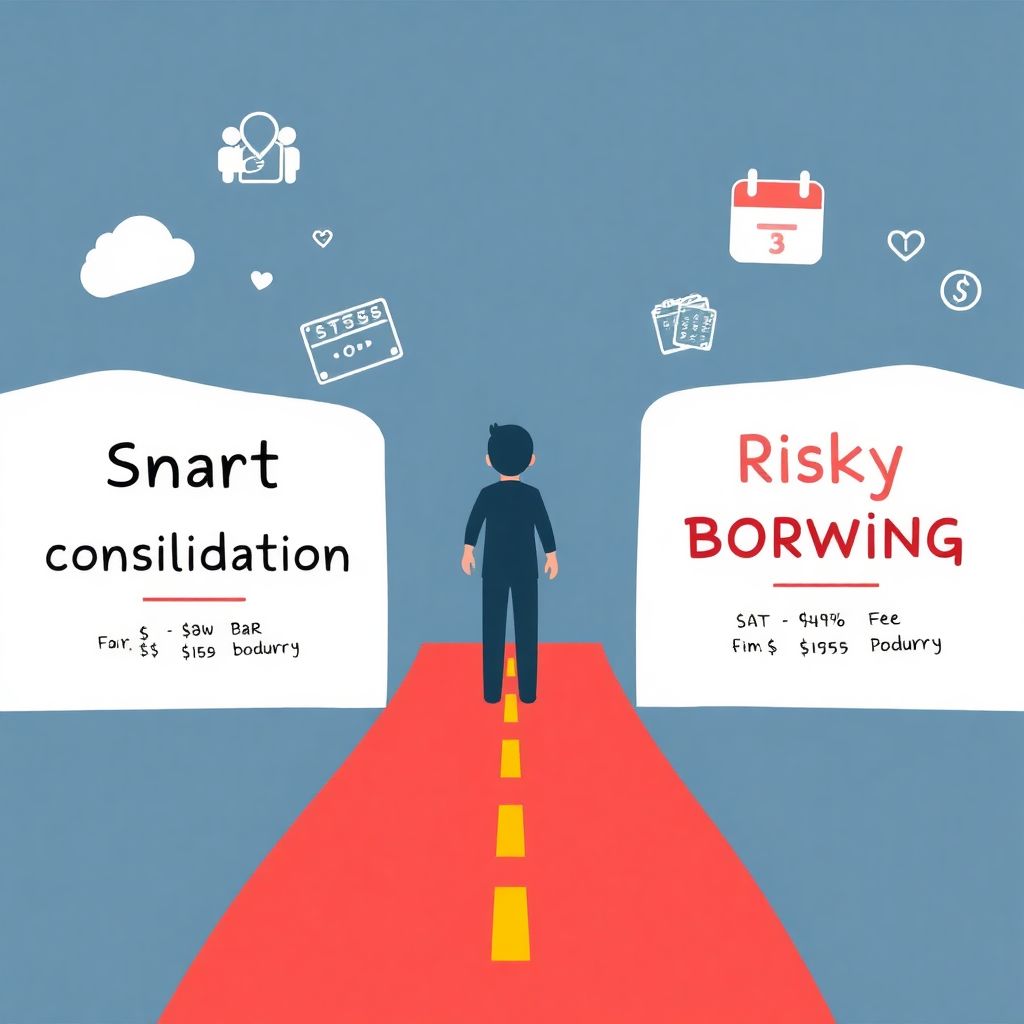
Is debt consolidation right for you?. Pros, cons and red flags explained
Debt consolidation is right for you only if it lowers your total interest, gives a clear payoff date, and fits your budget without new risks. It is wrong for you if it encourages more borrowing, hides high fees, or delays facing unaffordable spending. Use it as a structured exit, not a shortcut. Essential Decision Checklist…