
Category: Saving Strategies
-

How to create a personal spending plan for your side income and save more
Когда у тебя появляется дополнительный доход — подработка, фриланс, мелкий онлайн‑бизнес — очень легко растратить всё «по ощущениям». Кажется, что это просто приятный бонус, а не часть серьёзных финансов. Но именно здесь начинается точка роста. Личный план расходов превращает боковой заработок в инструмент, который работает на цели, а не растворяется в спонтанных покупках. Давай разберёмся,…
-
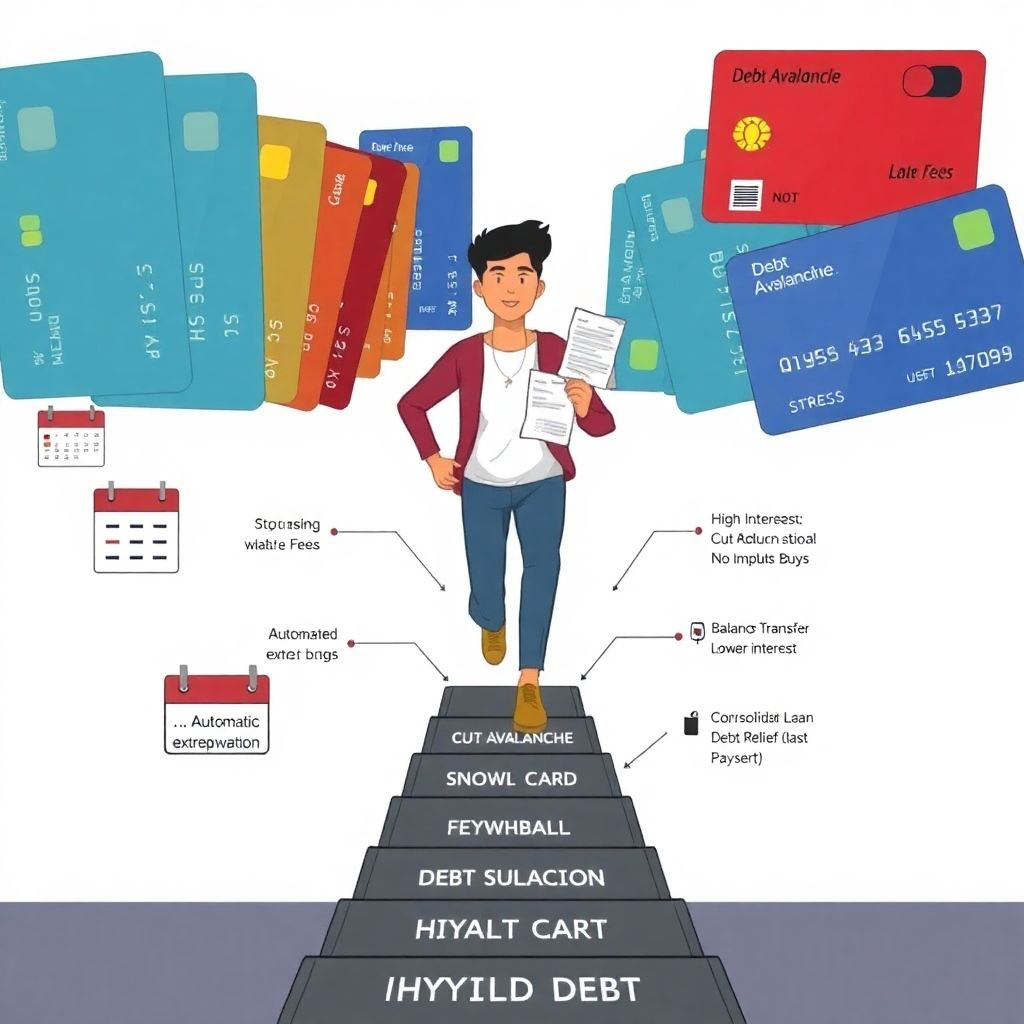
Pay off credit card debt faster: a practical step-by-step guide
Why Credit Card Debt Feels So Hard to Kill Credit card debt is sneaky because it doesn’t feel like “real” money in the moment. You tap, swipe, click — and only weeks or months later do you see the full cost in your statement. The problem gets worse when you pay just the minimum: most…
-

How to navigate medical billing and advocate for yourself effectively
Why medical billing is still a mess in 2025 — and what you can do about it If it feels like your medical bills are written in a different language, you’re not imagining it. In 2025 мы живём в мире телемедицины, дистанционных диагностик и автоматизированных страховых проверок, но счета до сих пор приходят с ошибками,…
-
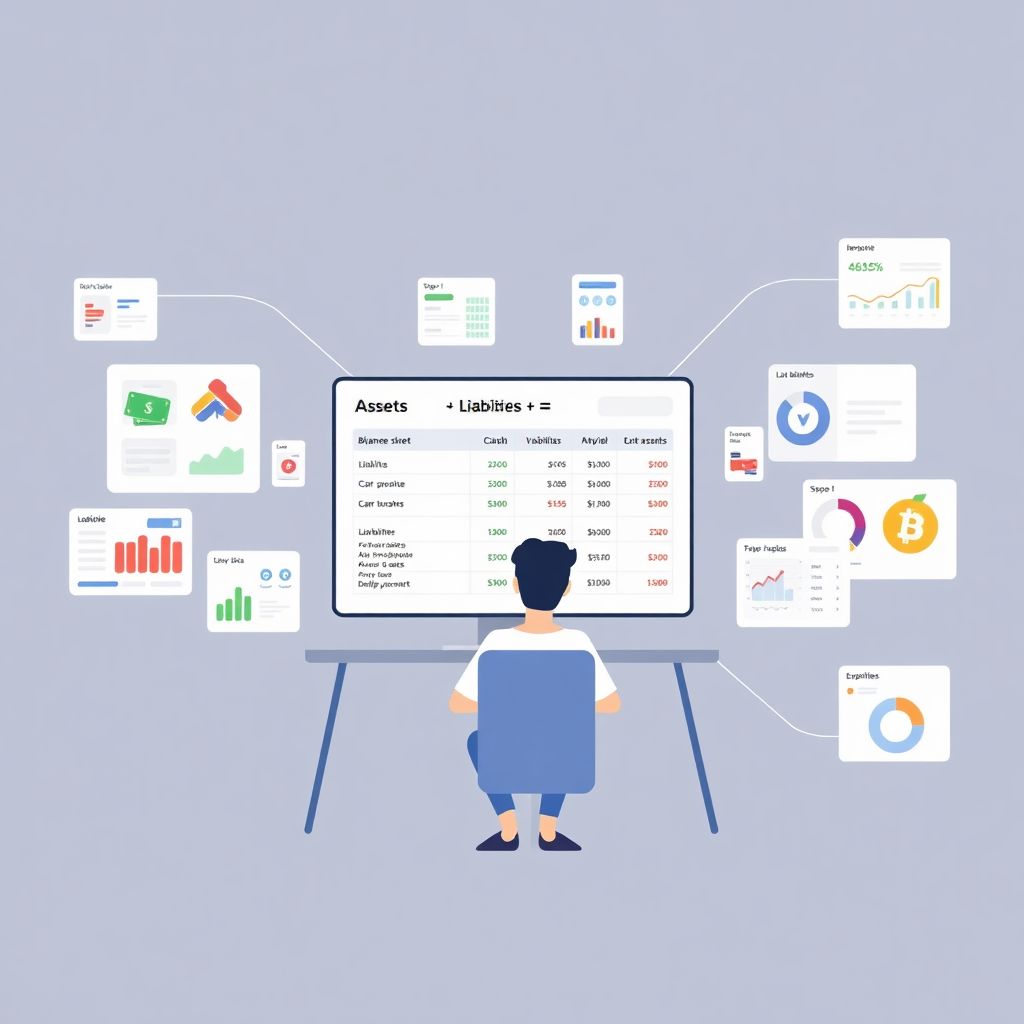
The beginner’s guide to personal financial statements for smarter money management
Why Personal Financial Statements Matter in 2025 Personal financial statements sound like something only bankers and accountants care about, but в 2025 году это фактически ваш «рентген» денег. Цифровые банки, инвестиционные приложения и криптокошельки усложнили картину: активы и долги размазаны по десяткам сервисов, а ощущение «я вроде в плюсе» больше не работает. Хорошо составленный личный…
-
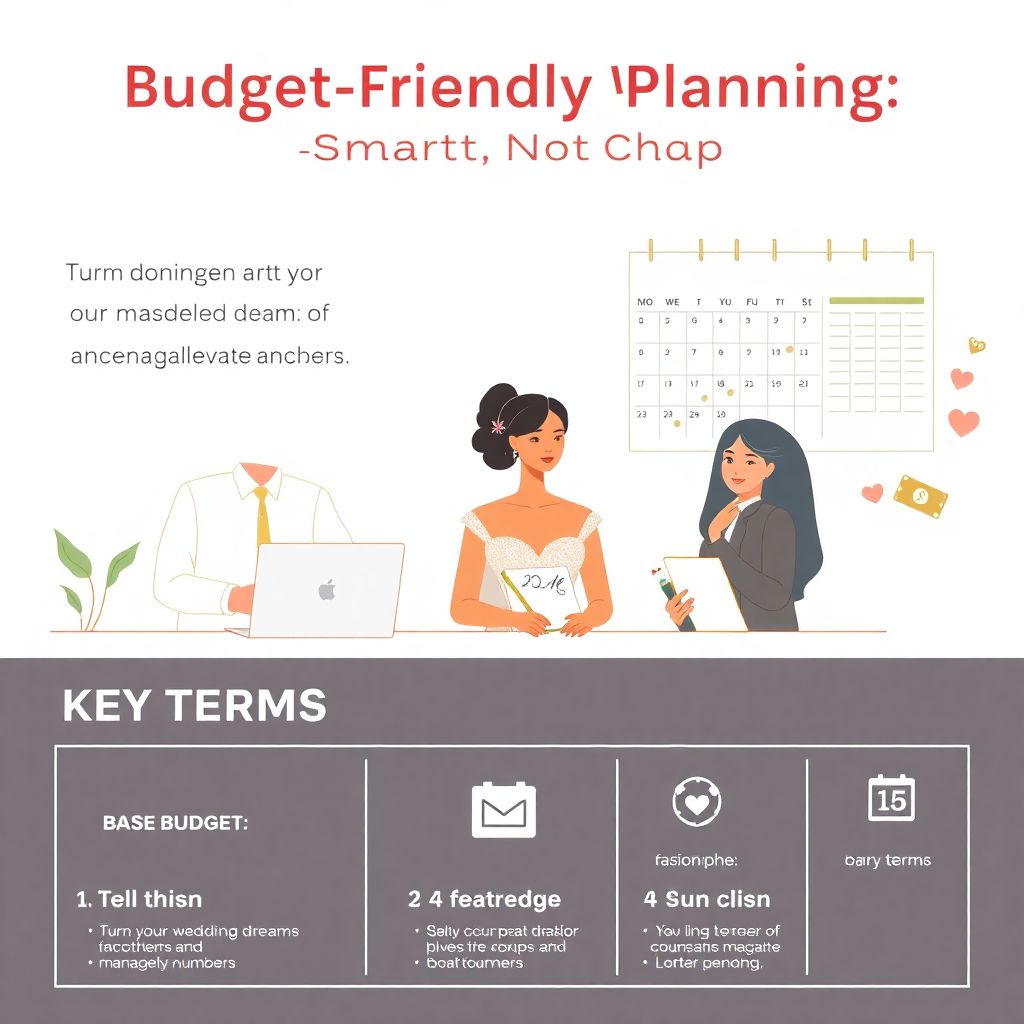
Budget-friendly wedding planning on a budget: simple ways to save money
Why Budget-Friendly Wedding Planning Isn’t About “Being Cheap” Planning a wedding on a tight budget is less about cutting joy and more about managing constraints like проект. When experts talk about budget-friendly wedding planning on a budget, они имеют в виду оптимизацию: вы заранее решаете, какие эмоции и впечатления стоят денег, а какие можно заменить…
-

How to budget for a new pet without breaking the bank and keep costs under control
Before you bring home that fluffy roommate, it’s worth admitting: most people wildly underestimate how much a new pet actually costs. Неw toys, shots, grooming, “emergency” Amazon orders at midnight – всё это незаметно превращается в приличную сумму. Ниже — разговорный, но практичный разбор, как спланировать бюджет для питомца так, чтобы не влезть в долги…
-
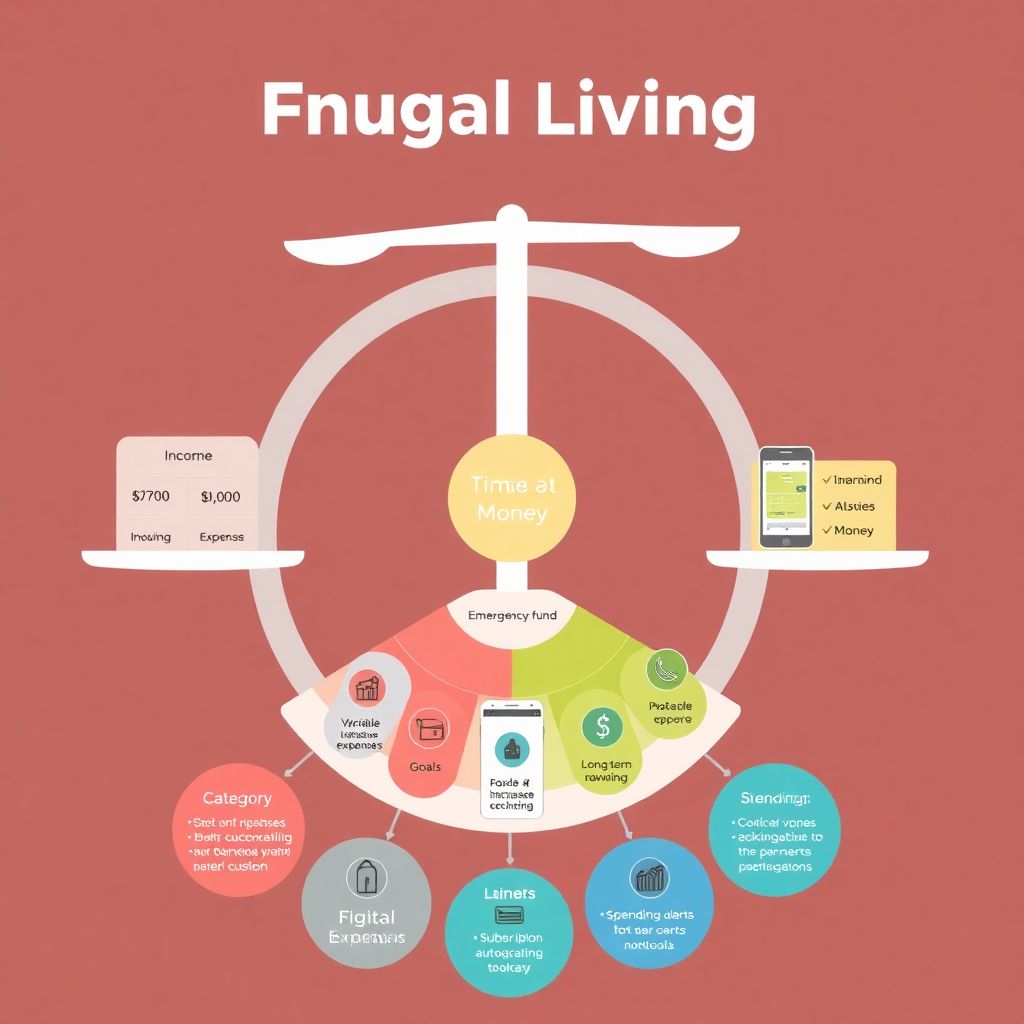
Frugal living for large families: practical tips and tricks to save money
What “Frugal Living” Really Means in 2025 Frugal living в контексте большой семьи — это не про жизнь «на сухарях», а про осознанное распределение ресурсов. В 2025 году это чаще всего комбинация цифрового учета, совместного пользования вещами и выбора опыта вместо лишних покупок. Важно отличать экономность от жадности: frugal living tips for large families фокусируются…
-

How to choose financial software that fits your life and supports your money goals
Why Picking Financial Software in 2025 Feels Different Пersonal finance tools in 2025 are not just digital spreadsheets anymore. Они тянут данные через open banking API, используют machine learning для категоризации транзакций и строят прогнозы cash flow на основе ваших поведенческих паттернов. Поэтому вопрос уже не в том, какое приложение “красивее”, а в том, как…
-

How to build an end-of-life financial plan for security and peace of mind
Why an End-of-Life Financial Plan Is a Technical Project, Not Just “Paperwork” End-of-life финансовое планирование редко воспринимается как инженерный проект, а зря. Фактически, это сложная система с активами, обязательствами, юридическими ограничениями и эмоциональными факторами. Если смотреть на него как на архитектуру, а не как на набор документов “на всякий случай”, вы снижаете вероятность конфликтов, налоговых…
-

Beginner’s guide to financial markets: practical steps to understand investing
Why Financial Markets Still Matter in 2025 (Maybe More Than Ever) Фinancial markets в 2025 году выглядят совсем не так, как десять лет назад: сделки проходят за миллисекунды, роботы торгуют больше людей, крипта пережила и бум, и похмелье, а ИИ встроен почти в каждое приложение брокера. Но суть не изменилась: рынок — это огромный аукцион,…